Can a pipe bending machine be integrated into an automated production line? Pipe Bending Machine
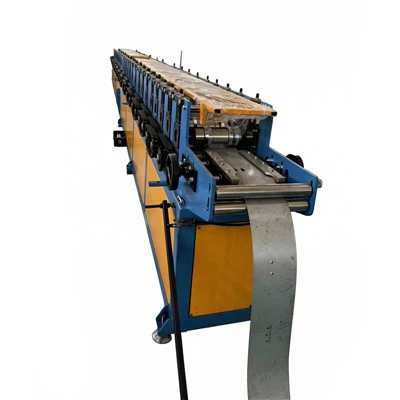
In today’s rapidly evolving manufacturing landscape, automation has become a key driver of efficiency, precision, and productivity. As a supplier of pipe bending machines, I often encounter inquiries from customers about the possibility of integrating our machines into automated production lines. This blog post aims to explore this topic in detail, discussing the feasibility, benefits, challenges, and considerations of integrating a pipe bending machine into an automated production setup.
Feasibility of Integration
The short answer is yes, a pipe bending machine can indeed be integrated into an automated production line. Modern pipe bending machines are designed with advanced control systems and interfaces that make them compatible with various automation technologies. These machines can be programmed to perform complex bending operations with high precision, and they can be connected to other equipment in the production line, such as robots, conveyors, and sensors, to create a seamless and efficient manufacturing process.
One of the key factors that determine the feasibility of integration is the type of pipe bending machine. There are several types of pipe bending machines available on the market, including manual, semi – automatic, and fully automatic machines. Manual machines require significant human intervention, while semi – automatic machines offer some level of automation but still need operator input. Fully automatic machines, on the other hand, are designed to operate with minimal human supervision and are the most suitable for integration into an automated production line.
Benefits of Integration
1. Increased Efficiency
Integrating a pipe bending machine into an automated production line can significantly increase the overall efficiency of the manufacturing process. Automated machines can work continuously without breaks, reducing the time required to complete a production run. They can also perform multiple bending operations in a single setup, eliminating the need for manual repositioning of the pipes. This results in faster production cycles and higher output.
2. Improved Precision
Automated pipe bending machines are capable of achieving high levels of precision and repeatability. The use of advanced control systems and sensors ensures that each bend is made to the exact specifications, reducing the likelihood of errors and rework. This is particularly important in industries where precision is critical, such as aerospace, automotive, and medical device manufacturing.
3. Reduced Labor Costs
By automating the pipe bending process, manufacturers can reduce their reliance on manual labor. This not only reduces labor costs but also minimizes the risk of human error and injury. Automated machines can be operated by a single operator, who can monitor the production process and perform maintenance tasks as needed.
4. Enhanced Quality Control
Automated production lines can be equipped with quality control systems that monitor the bending process in real – time. These systems can detect any deviations from the specified parameters and take corrective action immediately. This ensures that the final products meet the highest quality standards, reducing the number of defective parts and improving customer satisfaction.
Challenges of Integration
1. Initial Investment
Integrating a pipe bending machine into an automated production line requires a significant initial investment. The cost of the pipe bending machine itself, as well as the cost of the automation equipment and software, can be substantial. In addition, there may be costs associated with training the operators and maintaining the automated system.
2. Technical Complexity
Automated production lines are complex systems that require a high level of technical expertise to design, install, and operate. Integrating a pipe bending machine into an existing production line may require modifications to the equipment and the control system, which can be challenging and time – consuming.
3. Compatibility Issues
Ensuring compatibility between the pipe bending machine and the other equipment in the production line can be a challenge. Different machines may use different communication protocols and interfaces, which need to be standardized to enable seamless integration.
4. Maintenance and Support
Automated production lines require regular maintenance and support to ensure optimal performance. This includes routine inspections, software updates, and repairs. Manufacturers need to have a reliable maintenance and support system in place to minimize downtime and ensure the continuous operation of the production line.
Considerations for Integration
1. Production Requirements
Before integrating a pipe bending machine into an automated production line, it is important to consider the specific production requirements. This includes the type of pipes to be bent, the bending radius, the production volume, and the required precision. Based on these requirements, the appropriate pipe bending machine and automation equipment can be selected.
2. Automation Strategy
Developing a clear automation strategy is essential for a successful integration. This includes determining the level of automation required, the type of automation technology to be used, and the overall layout of the production line. The automation strategy should be aligned with the long – term business goals of the manufacturer.
3. Training and Education
Proper training and education of the operators are crucial for the successful operation of the automated production line. Operators need to be familiar with the operation of the pipe bending machine, the automation equipment, and the control system. They should also be trained in troubleshooting and maintenance procedures.
4. Future Expansion
When integrating a pipe bending machine into an automated production line, it is important to consider future expansion. The production line should be designed in such a way that it can be easily upgraded and expanded to accommodate changes in production requirements.
Conclusion

In conclusion, integrating a pipe bending machine into an automated production line is a feasible and beneficial option for manufacturers. It offers numerous advantages, including increased efficiency, improved precision, reduced labor costs, and enhanced quality control. However, it also presents some challenges, such as initial investment, technical complexity, compatibility issues, and maintenance requirements. By carefully considering the production requirements, developing a clear automation strategy, providing proper training and education, and planning for future expansion, manufacturers can successfully integrate a pipe bending machine into their automated production lines.
Metal Sheet Roll Cold Rolling Forming Equipment If you are interested in exploring the possibility of integrating our pipe bending machines into your automated production line, we would be more than happy to discuss your specific needs and requirements. Contact us to start a conversation about how our products can enhance your manufacturing process and drive your business forward.
References
- Smith, J. (2018). Automation in Manufacturing: A Comprehensive Guide. Manufacturing Press.
- Brown, A. (2020). Pipe Bending Technology: Principles and Applications. Engineering Books.
- Johnson, R. (2019). Integration of Industrial Equipment in Automated Production Lines. Industrial Journal.
Wuxi Yuanding Machinery Manufacturing Co., Ltd.
We’re well-known as one of the leading pipe bending machine manufacturers and suppliers in China, also support customized service. Please feel free to buy advanced pipe bending machine made in China here from our factory. For pricelist, contact us now.
Address: Yaguang Industrial Park, No. 88 Chaoyang South Road, Xishan District, Wuxi City, Jiangsu Province
E-mail: 13861798466@163.com
WebSite: https://www.wxyuanding.com/
