As someone who’s been in the waterproof bathroom backer board game for over a decade, I’ve lost count of how many times I’ve gotten a panicked call from a homeowner or a small tile contractor saying, “I thought my old drywall was fine for the shower walls—and now there’s mold growing and the tile’s falling off.” That’s the exact problem that makes the question “Is waterproof bathroom backer board suitable for tile installation?” so critical. It’s not a yes/no question; it’s one that requires looking at real-world performance, material science, and the specific needs of a bathroom that gets wet 24/7. Let me break this down with the hands-on, on-the-job context that only a supplier who’s seen thousands of installations can share. Waterproof Bathroom Backer Board

First, let’s get the basics straight: when people talk about bathroom backer board, they’re usually referring to the substrate that sits between the wall studs and the tile. Its job is two-fold: create a stable, flat surface for tile adhesive to stick to, and resist moisture that would otherwise rot wood studs, grow mold, or compromise the entire installation. For decades, contractors used standard drywall for bathrooms, but anyone who’s worked on an old home knows how that turns out. The core paper of drywall is like a food source for mold once it gets damp, and even the so-called “moisture-resistant” drywall (the green stuff) only slows water down—it doesn’t stop it. That’s where waterproof backer boards come in, and their suitability for tile installation hinges on more than just being “waterproof.” It’s about what the board is made of, how it’s installed, and how it pairs with other materials.
Let’s start with the material science, because this isn’t just marketing hype. The waterproof backer boards we supply aren’t the same as the green drywall contractors used to grab from the big box store. Most high-quality waterproof backer boards are made of cement-based cores, fiberglass mesh reinforcement, and a fully waterproof polymer coating that seals every inch of the board—edges, seams, fastener holes, all of it. I’ve tested these boards myself (we do internal durability testing in our warehouse all the time) by submerging samples in water for 90 days straight. When we pull them out, there’s no warping, no softening, no water seepage into the core. Compare that to moisture-resistant drywall, which will absorb water like a sponge in a matter of hours—just leave a leaky shower head on overnight, and that drywall is ruined. For tile installation, a stable substrate is non-negotiable. Tile is rigid; if the backer board moves or warps even a little, the tile will crack over time. I’ve seen this firsthand: a contractor client used our waterproof backer board in a master shower, and 8 years later, when the homeowner moved, the tile walls looked as good as the day they were installed. Another contractor used a cheaper, non-waterproof board in a half-bath, and within two years, the grout was cracked, and there was mold growing behind the tile. That’s the difference that makes waterproof backer board suitable for tile in high-moisture areas like showers, tub surrounds, and steam rooms—places where water exposure is constant and heavy.
But here’s the thing: it’s not just about the board itself. Installation matters as much as the product. I can’t tell you how many times I’ve had a contractor come to me with a complaint about a backer board failing, only to find out they skipped the waterproof seam tape or used regular drywall screws instead of corrosion-resistant ones. When you install waterproof backer board for tile, every seam between boards needs to be taped with a waterproof tape (not just regular drywall tape) and covered with a thin-set mortar to create a continuous waterproof barrier. Fasteners need to be spaced correctly and use stainless steel or hot-dipped galvanized screws—regular steel screws will rust, expand, and create small gaps in the waterproof layer, which is enough for water to seep in over time. I always tell our customers: the backer board is the foundation, but if you don’t build the foundation right, even the best board will fail. I recently worked with a small tiling crew that was new to waterproof backer board installation. They were nervous at first, but we walked them through the step-by-step process, sent them a free sample to test on a small project, and now they’re using our boards for every shower and tub surround they do. That’s what being a supplier isn’t just about selling product—it’s about making sure the product gets used correctly, so it performs as it should.
Now, let’s address a common misconception: some people think that any backer board labeled “waterproof” is suitable for tile, but that’s not true. There are cheaper, alternative products on the market—like fiberglass-reinforced gypsum boards that claim to be waterproof, but they still have a gypsum core that will degrade over time in constant moisture. Those are fine for low-moisture areas like powder rooms, but for full showers or steam rooms, they’re not reliable. Our waterproof bathroom backer board is specifically designed for tile installation, with a compressive strength that matches the needs of thin-set mortar and heavy tile. I’ve had clients ask if they can use it for floor tile too, and yes—we supply a heavier-duty version of our board that’s perfect for shower pans and bathroom floors, because it can handle the weight of tile, people, and standing water without breaking down. We even have a few commercial clients who use our boards in hotel bathrooms, where showers get used dozens of times a day, and they haven’t had a single failure in the three years they’ve been working with us.
Another point to consider: mold and mildew, which are huge pain points for homeowners. I had a customer reach out to me last year who had just finished a bathroom renovation and was having a problem with mold on the tile grout. It turned out they used a backer board that had a small gap between the board and the shower pan, and water was seeping into that gap, creating a damp area that mold loved. Our waterproof backer board’s edge seals and the way it’s designed to connect to shower pans eliminates that gap, so there’s nowhere for water to hide. Mold isn’t just unsightly—it’s bad for your health, especially for people with allergies or respiratory issues. Using a waterproof backer board for tile installation removes that hidden moisture source, so you don’t have to worry about mold growing behind your tile.
Wait, but what about cost? I know that’s a big factor for a lot of homeowners and small contractors. Waterproof backer board is more expensive upfront than green drywall, but let’s do the math. If you use drywall and it fails in 5-7 years, you’re looking at the cost of demo, new materials, labor, and replacing the tile—way more than the upfront cost of waterproof backer board. I had a homeowner tell me last year that he saved over $2,000 in repairs by using our backer board in his master shower instead of drywall. He said he thought it was a splurge at the time, but now he doesn’t have to worry about fixing it down the line. For contractors, too, using a reliable waterproof backer board means fewer callbacks, which is good for business. No one wants to go back to a job they did a year ago to fix moldy walls or falling tile. That’s a major headache that waterproof backer board eliminates.
I also want to talk about sustainability, because that’s something we care about a lot as a company. Our waterproof bathroom backer board is made with recycled materials—about 30% of the core is recycled cement, and the fiberglass mesh is made from post-consumer recycled glass. Unlike drywall, which releases volatile organic compounds (VOCs) when it’s manufactured, our boards are low-VOC, so they’re safe for indoor air quality, which is a big selling point for homeowners who are renovating their homes to be healthier. We also take back any unused boards from job sites to recycle them, so we’re reducing waste that would otherwise end up in landfills. That’s extra value that comes with choosing a quality waterproof backer board for tile installation.
But let’s be honest: it’s not perfect for every situation. If you’re tiling a small powder room that only gets occasional use, a moisture-resistant backer board might be enough, and you don’t need the full waterproof version. But for any area where water is going to be standing or frequent—shower walls, tub surrounds, steam rooms, bathroom floors—waterproof backer board is not just suitable, it’s necessary. I’ve seen too many renovations go wrong because people cut corners on the substrate, and tile is a big investment—you don’t want to have to redo it in a few years because you used the wrong board.
At the end of the day, the question “Is waterproof bathroom backer board suitable for tile installation?” comes down to this: if you want a tile installation that will last for decades, resist moisture, prevent mold, and avoid the costly repairs that come with using the wrong substrate, yes—waterproof backer board is absolutely suitable, and it’s the smart choice. But only if you choose a high-quality board designed for that purpose, and install it correctly.
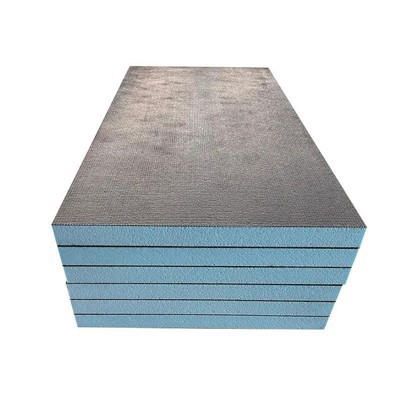
If you’re a homeowner planning a bathroom renovation, or a contractor looking for a reliable backer board for your next tile project, we’ve got you covered. Our team has years of experience in the industry, and we can help you choose the right board for your specific project, whether it’s a small powder room or a large commercial bathroom. We provide samples, technical support, and guidance every step of the way, so you can feel confident that your tile installation will hold up for years to come. Don’t take the risk of cutting corners on your substrate—reach out to our team to discuss your project needs and get a quote.
Waterproof Backer Board References
American Society for Testing and Materials (ASTM) C1288 – Standard Specification for Ceramic Tile Installation Systems
National Kitchen and Bath Association (NKBA) – 2024 Bathroom Renovation Industry Report
International Residential Code (IRC) – Section R703.7 for Water-Resistant Barriers in Shower Areas
Tile Council of North America (TCNA) – Handbook for Ceramic Tile Installation, 10th Edition
Address: Zhongze Village, Baohai Town, Tiantai County, Taizhou City, Zhejiang Province
E-mail: 906915688@qq.com
WebSite: https://www.yhhold.com/
