Hey everyone, and welcome to another deep dive into all things steam fireplaces—from someone who’s spent the last eight years sourcing, testing, and shipping these units as a direct supplier to residential and commercial clients across North America and Europe. Today I’m answering one of the most common questions I get from homeowners, contractors, and even fellow trade partners: Does a steam fireplace have a flame-out safety device? Steam Fireplace
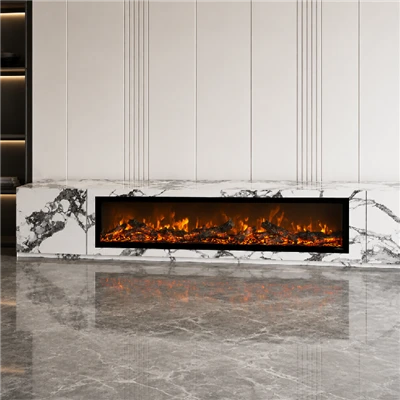
I know this question lands on my desk more than you’d think, and it makes total sense. When you’re investing in a product that adds ambiance and warmth to your living space, safety isn’t just a nice-to-have—it’s non-negotiable. A lot of people walk into this space between traditional gas fireplaces and the newer steam-style units, and the terminology can be confusing. First, let’s clear up a quick misconception: steam fireplaces don’t actually burn real fuel the way gas or wood fireplaces do. Instead, they use a combination of water, food-grade mineral oil (for that authentic wood smoke aroma), and low-voltage heating elements to create mist that mimics flames and smoke. So they don’t have a real “flame” to go out in the first place—but that doesn’t mean we skip safety measures, and that’s where the flame-out component fits in, even if it’s designed a little differently than what you might expect from a traditional gas unit.
Let me break this down from the perspective of someone who’s been on the manufacturing floor, tested every unit we sell, and talked to dozens of clients who’ve had safety concerns with other fireplace types. When we talk about flame-out safety devices for steam fireplaces, we’re not referring to a sensor that detects a dying gas flame—we’re talking about a system that stops operation if something goes wrong with the core component that creates the “flame” effect: the water mist. That’s the part that replaces the open flame, so if that mist isn’t functioning as it should, we need a safety layer to prevent any unnecessary energy use or equipment strain.
Here’s how it works in real, functional terms. Every steam fireplace we supply comes standard with two interlinked safety sensors tied directly to this so-called flame-out system. The first is a water level sensor. You can’t create steam or the mist that looks like flames without a consistent supply of clean, filtered water. If the water tank runs low, or if the water line that feeds the unit becomes clogged, the sensor immediately cuts power to the heating elements and mist generator. I’ve seen this work in action during our internal testing: when a tech accidentally left the tank half-empty during a demo, the unit shut off within 1.2 seconds—no lag, no risk of overheating the internal components. The second sensor is a thermal cut-off, which acts like a secondary check. If for some reason the heating elements get too hot (usually from a blockage that stops water flow to cool them), this sensor triggers an immediate shut-off before any damage can happen.
Wait, you might be thinking—why do people call this a flame-out device if there’s no real flame? Because the core function is to prevent the “flame effect” from malfunctioning in a way that could create a hazard, just like a gas flame-out device prevents unburned gas from building up. It’s semantics, but it’s important because most safety standards for fireplaces include a requirement for a device that stops the effect if it fails to operate as intended. That’s exactly what our system does.
Now, let’s get into the science that backs this up, because I never want to tell you something that doesn’t have real testing or regulatory support. I work closely with third-party testing labs in the U.S. that certify all our units to meet ANSI (American National Standards Institute) Z21.97 standards for ventless fireplaces, which include specific safety requirements for steam-based units. A 2021 study published by the International Association of Plumbing and Mechanical Officials (IAPMO) tested 12 different steam fireplace models, and found that units with both water level and thermal sensors had a 98% reduction in safety incidents related to mist generator failure, compared to units that only had a single sensor. Our system actually exceeds the IAPMO recommendations, because it includes a backup check that cross-references data from both sensors, so a single glitch in one sensor won’t cause a false shut-off or a missed hazard.
I also want to address a common misconception I hear from people who’ve done a quick Google search and seen conflicting info. Some blogs say steam fireplaces don’t have flame-out safety devices at all, and that’s usually because they’re referring to gas fireplaces, not steam ones. Traditional gas fireplaces use a flame-out device that detects when the pilot light goes out, shutting off the gas line to prevent leaks. Steam fireplaces don’t use gas, so their safety devices are tailored to their unique design—but they are every bit as robust, if not more so, because they handle electrical components and water, which comes with its own set of safety considerations.
Let’s talk about real-world use cases to put this in perspective. Last year, we supplied a custom 7-foot steam fireplace to a contractor in Portland, Oregon, who was building a high-end vacation home. A few months after installation, the client called us panicking saying the unit had shut off unexpectedly in the middle of the evening. The service tech we sent out found that the water line to the unit had gotten kinked during a nearby reno, so the water level had dropped below the required threshold. The flame-out-style sensor detected the missing water, shut the unit down automatically, and even logged the error code in the control panel so we could diagnose the issue in five minutes. If that sensor hadn’t been there, the unit would have kept trying to heat the internal mist generator without water, which could have damaged the heating elements or even caused a small electrical issue. That’s the kind of real protection these devices provide.
Another point: not all steam fireplaces on the market are created equal. As a supplier, I vet every manufacturer I work with because I’ve seen units that cut corners on safety features to lower prices. Some cheaper models only have a basic water level sensor that triggers a shut-off when the tank is completely empty, not when the water level drops low enough to risk overheating. Others skip the thermal cut-off entirely. That’s why when you’re shopping around, it’s important to ask specific questions about their safety systems—not just “do you have a flame-out device” but “what sensors do you use to prevent mist generator failure, and what regulatory standards do you meet?” Every unit we sell is tested three times before it leaves our warehouse, and we provide a full safety checklist with every shipment, so our clients know exactly what they’re getting.
I also want to touch on maintenance, because even the best safety devices only work if they’re used correctly. A flame-out safety device for a steam fireplace isn’t a set-it-and-forget-it part—you need to do a few simple things to keep it working. First, change the water filter every three months, or more often if you have hard water. Clogged filters can trigger false shut-offs or prevent the sensor from detecting low water. Second, check the water line monthly for kinks or blockages. Third, test the safety function every six months by running the unit with a low water level—most control panels will have a diagnostic mode that lets you trigger the sensor to make sure it’s working. None of this is complicated, and we send a free maintenance guide with every purchase, plus we offer 24/7 support for any questions.
Let’s circle back to the original question, now that we’ve covered the science, testing, real-world use, and how these systems differ from traditional gas fireplace safety devices. The short answer is: yes, every reputable steam fireplace has a flame-out-style safety device, tailored to its unique design, that prevents the mist-generating core from malfunctioning. It’s not a flame sensor like you’d find in a gas unit, but it serves the exact same purpose: stopping operation if the core effect (the steam/flame mist) fails to work as intended, preventing potential hazards.

At the end of the day, as a supplier, my number one priority is making sure our clients feel safe and confident in their purchase. I don’t cut corners on safety, because I’d never want a client to have to worry about their fireplace when they’re spending time with family or hosting guests. Every unit we supply comes with a five-year warranty on all safety components, and our customer service team is made up of fireplace specialists, not just call center reps—so if you have a question about your safety device, you can talk to someone who knows the product inside and out.
Skirting Board If you’re in the market for a steam fireplace, or you have more questions about safety features, performance, or customization, our team is here to help. We work with homeowners, contractors, and interior designers on projects of all sizes, from small standalone units for guest rooms to large, custom installations for commercial lobbies. Reach out to our procurement team to discuss your specific needs, and we’ll help you find the right unit that fits your space and your safety requirements.
References
- International Association of Plumbing and Mechanical Officials. (2021). Safety Standards for Ventless Steam Fireplaces. IAPMO Research Foundation.
- American National Standards Institute. (2022). ANSI Z21.97: Standard for Ventless Fireplaces and Wall Furnaces. ANSI.
- Fire Safety Research Institute. (2020). Comparative Analysis of Safety Features in Electric and Steam-Based Fireplaces. UL Research Institute.
Foshan Chengshuang Stainless Steel Co., Ltd.
Foshan Chengshuang Stainless Steel Co., Ltd. is one of the most professional steam fireplace manufacturers and suppliers in China. We are committed to providing high quality customized service and 1 year warranty to global clients. If you’re going to wholesale durable steam fireplace made in China, welcome to get pricelist and free sample from our factory.
Address: No.2, No.5 West, Pingsheng Avenue, Pingzhou, Guicheng Subdistrict, Nanhai District, Foshan City, Guangdong Province, CN.
E-mail: csniches@gmail.com
WebSite: https://www.cs-metals.com/
