If you’ve ever stood in a commercial kitchen as dinner service ramps up, you know how quickly grease, steam, and cooking fumes can fill the space. A properly installed and maintained kitchen exhaust fan isn’t just a convenience—it’s a non-negotiable part of keeping kitchens safe, compliant, and functional. As a supplier of kitchen exhaust fans, I’ve spent years walking clients through the often confusing web of code requirements that govern these systems, and I’ve seen firsthand how skipping those rules can lead to fire hazards, fines, and even health code violations. Let’s break down what those requirements actually are, why they matter, and how a little planning can keep your kitchen (and your business) running smoothly. Kitchen Exhaust Fan
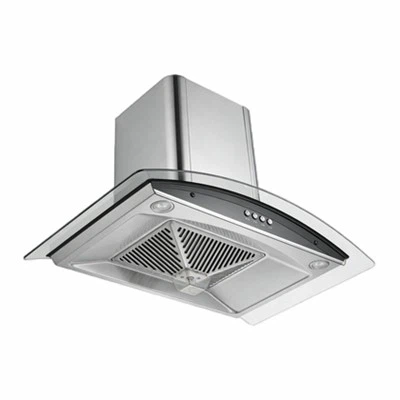
First, it’s important to distinguish between residential and commercial kitchen exhaust systems. Most code requirements apply to commercial kitchens—think restaurants, cafeterias, hotel kitchens, and catering operations—because those spaces generate far more concentrated grease and smoke than a home kitchen. Even a small café or food truck falls under commercial regulations, so don’t assume your operation is too small to follow the rules.
Let’s start with the core purpose that every code ties back to: fire safety. Cooking grease is highly flammable, and a buildup of that grease in exhaust ducts is one of the leading causes of kitchen fires. Codes like the National Fire Protection Association’s (NFPA) Standard 96 are the foundation here, and nearly every local building and fire department adopts or adapts this standard. NFPA 96 lays out specific rules for exhaust system design, installation, and maintenance. For example, it requires that exhaust hoods cover all cooking surfaces, including grills, fryers, and stovetops, to capture grease and fumes at the source. No part of a cooking surface can be outside the hood’s reach—this means if you have a six-burner stove, your hood needs to be large enough to extend at least 18 inches beyond each side of the burners, depending on the equipment type. For larger appliances like charbroilers or wok ranges, that distance might be even bigger, sometimes up to 30 inches, to make sure no grease escapes into the ductwork.
Next, airflow and ventilation rates. Codes don’t just say “get a big enough fan”—they specify how much air your system needs to move. The rate is calculated based on the type of cooking equipment you use and the heat it generates. For example, fryers and griddles require higher CFM (cubic feet per minute) than low-heat equipment like steam tables or salad prep stations. A common rule of thumb, but one you can’t skip, is that your exhaust fan’s CFM needs to be enough to replace the air in your kitchen at least 15 to 20 times per hour for most commercial operations. Some codes even require up to 30 CFM per square foot of cooking surface, depending on local regulations. Get this wrong, and you’ll end up with lingering fumes, fogged-up windows, and grease settling on walls, ceilings, and kitchen staff. Worse, insufficient airflow can lead to carbon monoxide buildup, especially if you’re using gas equipment—another safety hazard codes are designed to prevent.
Grease removal systems are another key requirement. NFPA 96 mandates that all commercial exhaust systems have a way to trap grease before it gets into the ducts. That means either baffle filters, mesh filters, or a combination of both. Baffle filters, which are the most common in professional kitchens, are durable, easy to clean, and can catch up to 90% of grease particles. Mesh filters are cheaper but need more frequent cleaning, so many operations opt for baffle filters to cut down on maintenance. Some high-volume kitchens, like those with large hoods, might also need a grease extractor or a wet scrubber for extra removal, but filters are standard for most setups. Codes also specify how often these filters need to be cleaned or replaced—usually every one to three months, depending on how much you cook. Neglecting filter maintenance isn’t just a health code issue; if grease builds up to the point where it’s dripping from the filter, you could face a fire inspection fine or even a shut down if the department deems your system unsafe.
Ductwork and installation rules are just as important as the fan itself. Codes require exhaust ducts to be made of non-combustible material—usually galvanized steel or stainless steel—because any grease buildup inside a duct is a fire risk. Ducts must be sealed tightly to prevent leaks, and they can’t run through occupied spaces like office areas or storage closets unless they’re properly insulated and protected. They also need to be sloped slightly toward the hood or a grease collection point, so that condensation and small amounts of grease don’t pool in the duct. Pooled grease can harden over time, clog the duct, and become a major fire hazard. Another rule: ducts can’t have sharp turns or kinks that restrict airflow, because that reduces the fan’s effectiveness and can cause grease to accumulate faster. If you’re retrofitting a kitchen, this is a common spot where businesses run into issues—old ductwork might not meet current non-combustible standards, and upgrading it can be a necessary part of staying compliant.
Makeup air is a requirement that’s often overlooked, but it’s critical for the system to work. When your exhaust fan pulls air out of the kitchen, you need to replace that air with something—otherwise, you’ll end up with negative pressure in the kitchen. Negative pressure can cause problems like doors slamming shut, windows sticking, and even pulling fumes into adjacent spaces like dining areas or hallways. For larger kitchens, codes require a makeup air system that supplies enough clean, conditioned air to balance the exhaust airflow. This can be a separate fan or a system that pulls in outside air, heats or cools it as needed, and sends it into the kitchen. The size of the makeup air system depends on your exhaust fan’s CFM—usually around 80 to 90% of the exhaust rate. Skipping makeup air not only makes your ventilation system less effective, but many local health departments will flag this as a compliance issue during inspections.
Maintenance and record-keeping requirements are the final piece of the code puzzle. Codes don’t just apply to installation—they mandate regular inspections and cleaning. NFPA 96 requires that all exhaust systems be inspected by a certified professional at least once a year, and the ductwork be professionally cleaned every three months for high-volume kitchens, every six months for medium, and annually for low-volume operations. You also have to keep detailed records of these inspections and cleanings, and make them available to fire inspectors or health department officials on request. Failing to keep these records can result in fines, even if your system is in good shape. Some local codes also require you to post information about filter cleaning schedules near the exhaust hood, so staff know how to maintain the system between professional cleanings.
Over the years, I’ve seen businesses make the same mistakes when choosing an exhaust fan, and most boil down to cutting corners on code requirements. One small café owner once bought a cheap residential fan for his commercial kitchen, thinking it would work. Not only did it not provide enough CFM, but it didn’t meet non-combustible duct standards, and he ended up with a $2,000 fine during his first health inspection. Another client installed a fan that was the right size but forgot about makeup air, so their dining area was filled with cooking fumes every time they turned on the stove—they had to redo the entire ventilation system before they could open to the public. These mistakes are avoidable, but only if you take the time to research your local codes and work with a supplier who understands these requirements.
At the end of the day, kitchen exhaust fan codes are there to protect your business, your staff, and your customers. A properly compliant system reduces fire risk, improves indoor air quality, and keeps you in good standing with local authorities. If you’re outfitting a new kitchen, replacing an old fan, or just want to make sure your current system meets code, don’t hesitate to reach out for guidance. Our team has decades of experience working with commercial kitchens to select, install, and maintain exhaust systems that meet all local, state, and national requirements. We can help you calculate the right CFM, choose the right filters and ductwork, and even connect you with certified inspectors for regular maintenance. Investing in a compliant system up front saves you money, stress, and headaches down the line.

If you’re ready to upgrade your kitchen’s ventilation or just have questions about code requirements, let’s schedule a time to talk through your specific needs. We’re here to help you navigate the rules and find a solution that works for your kitchen, your budget, and your peace of mind.
High Speed Fan References
NFPA 96: Standard for Ventilation Control and Fire Protection of Commercial Cooking Operations
International Mechanical Code (IMC) Chapter 5: Ventilation
National Restaurant Association: Commercial Kitchen Ventilation Guidelines
Occupational Safety and Health Administration (OSHA): Indoor Air Quality in Commercial Kitchens
Shengzhou Geeking Electric Appliance Technology Co., Ltd.
Address: No. 19, Putian Avenue, Pukou Subdistrict, Shengzhou City
E-mail: 13588516010@163.com
WebSite: https://www.geekingfan.com/
