If you’ve ever worked with outdoor marketing, you know PVC advertising boards are workhorses. They’re lightweight, weather-resistant, cheap to produce, and perfect for temporary store promotions, festival signage, or community billboards. But here’s the thing: when your next campaign wraps up, or you’re switching locations, removing that board doesn’t have to end in it cracking, warping, or becoming trash. As a supplier of PVC advertising boards, I’ve spent years walking installers and small business owners through this exact process—fixing the mistakes people make when they yank a board off a wall, drill through it by accident, or use a solvent that eats right through the material. This guide isn’t just about “not damaging a PVC board” either; it’s about saving you the cost of a new board, especially if you’re reusing it. Reusing PVC cuts down on waste too, which is a big win for any marketing team looking to trim their carbon footprint. PVC Advertising Board

First, let’s get clear on what makes PVC so easy (and tricky) to work with. Polyvinyl chloride, the stuff we make our advertising boards from, is a rigid polymer, but it’s not indestructible. It can bend, crack, or scratch if you apply too much force too fast. It also reacts to certain chemicals—like harsh adhesive removers or heavy-duty degreasers—so picking the wrong product can turn a $20 board into a $200 replacement. I’ve seen it happen dozens of times: a store owner grabs a bottle of industrial adhesive remover to strip double-sided tape off a board, and by the time they’re done, the board’s edges are bubbled and translucent. That’s a ruined board, all because of a 2-minute shortcut.
The first step, always, is prep. Rushing into prying or scraping is the number one way to damage a PVC board. Take 10 minutes to check the surface: what kind of fasteners hold it? What adhesive was used? Most of our boards use two common installation methods, and each needs a different approach. Screw-mounted boards are the most straightforward, but adhesive-backed ones (for smooth surfaces like glass or metal) are the tricky part.
For screw-mounted boards: Start by gathering the right tools. You’ll need a power drill with a Phillips head bit (make sure the bit is the right size—stripped screw heads are a quick way to mess up the board’s back), a flat pry bar with a padded tip (or a wooden stick, if you don’t have one), and a soft cloth. First, do a quick visual check of the wall or surface behind the board. Some installers mount boards into brick, others into drywall, and brick walls can leave small dust or mortar bits, but that’s fine. The key here is to not yank the board once the screws are out. I see this all the time: someone removes all four screws from a storefront board, then pulls straight up, and the board snaps right along a weak spot. Instead, after all screws are out, gently work the board loose with the padded pry bar. Insert the pry bar between the board and the wall at a 45-degree angle, not straight out. A 45-degree angle distributes force evenly, so you’re not putting all the weight on one edge of the PVC. Wiggle it a little side to side, not just up and down, and it should come loose easily. If it’s stuck, don’t force it—there might be a leftover screw washer or a small bit of adhesive holding it. Run your finger along the back edge of the board to spot any small bits, then pull those loose. You’ll end up with a board that’s perfect for storing or reusing next season.
Now, the big one: adhesive-mounted boards. This is where most people go wrong, especially if they use the wrong remover. Adhesive for PVC boards is almost always a low-tack, double-sided foam tape—we use a brand called 3M’s VHB for many of our outdoor boards, which is strong but designed to come off cleanly if you use the right method. Here’s the step-by-step I walk all our customers through. First, you’ll need a hair dryer (not a heat gun—heat guns can melt PVC!) set to low or medium heat, a plastic scraper (not a metal one—metal will scratch the PVC’s surface), and a non-abrasive cloth. Start by heating one corner of the board for 30 to 45 seconds. The heat softens the adhesive, so it doesn’t pull at the PVC when you scrape. Hold the scraper at a shallow angle—around 15 degrees, so you’re not digging into the board’s surface. If you go too steep, you’ll leave gouges. Work your way across the board, heating a small section at a time, not the whole board at once. If you heat the whole thing, the adhesive can soften too much, and the board might warp from uneven heating. Once the bulk of the tape is off, you’ll have a little residue left. This is where I see people make the worst mistake: they grab a can of Goo Gone or a heavy-duty degreaser and spray it directly on the board. Those products have solvents that break down PVC’s outer layer, leading to cloudy, discolored spots. Instead, use a mild dish soap mixed with warm water, or a vinyl-specific adhesive remover (we recommend a product called 3M Adhesive Remover for PVC, which is designed not to damage the material). Dab the residue with a cloth dampened with that remover, don’t scrub. Scrubbing will scratch the surface, just like a metal scraper would. If you have leftover tape strands, pull them off gently with your fingers once the remover has had a minute to work. Another trick we teach installers: if the board has a printed graphic (think: a store sale sign or product image), cover the graphic with a sheet of parchment paper while you heat the tape. The parchment protects the print from getting damaged by the heat or the scraper. We’ve had customers tell us this trick saved their whole $50 graphic on a board, which would have been ruined if they didn’t cover it.
Wait, what about boards that have been outside for years, in rain, sun, and wind? Those are the toughest ones. UV exposure can make PVC a little brittle, so you have to adjust your approach a bit. For those, skip the hair dryer and go straight to the tool kit. For screw-mounted boards, make sure you use a drill with a slow speed—high speed can strip the screw head if it’s rusted, and rusted screws are common on outdoor boards. If a screw head is stripped, use a rubber band: press a thick rubber band into the slot of the screw, then turn the drill counterclockwise. The rubber band adds grip, and I’ve used this trick dozens of times to get screws out without damaging the board. If that doesn’t work, don’t drill into the board to get the screw out (that’s a guaranteed way to create a hole you can’t fix). Instead, use a small pair of pliers to grip the exposed part of the screw and twist it out. For adhesive-mounted outdoor boards, the tape will have hardened over time, so you’ll need to let the heat work longer—60 seconds per small section instead of 30. Don’t scrape too hard here either; the PVC is more brittle from sun exposure, so it can crack if you apply too much pressure. We always advise outdoor board owners to test a small, hidden spot of the board first: heat a corner, try scraping, and check if the PVC is holding. If it starts to look cloudy, turn down the heat or switch to a gentler remover.
Now, let’s talk about common mistakes to avoid, because I’ve seen every single one. First, never use a heat gun. I once had a customer who tried using a heat gun to speed up adhesive removal, and by the time he was done, his board was warped so bad it couldn’t be reused. PVC’s melting point is around 160 degrees Fahrenheit, and a heat gun can get much hotter than that, even on low. Stick to a hair dryer. Second, never use metal tools to scrape the board. Even a dull metal putty knife can scratch the PVC, and those scratches show up on the printed graphics, which ruins the board for display. We recommend plastic or nylon scrapers, which are soft enough not to damage the surface. Third, don’t yank the board. I can’t stress this enough. Even a solid board can snap if you pull too hard. Work slowly, wiggle it side to side, and if it doesn’t move, go back and check for leftover screws or tape. Fourth, never use harsh solvents on the board. Industrial degreasers, acetone, and even nail polish remover will eat away at the PVC’s protective outer layer, leading to discoloration and brittleness over time. If you’re in doubt, test any product on a small, hidden part of the board first. We have a sample of our PVC board at our warehouse, and we let all our new installers test removers on it first to see what works.
Why does this matter so much to our business? We’re a PVC advertising board supplier, so we want our customers to get the most out of the products we sell. If you can remove a board without damaging it, you can reuse it for another campaign, which saves you money, and it reduces waste. A lot of marketing teams just throw away their boards after one use, which adds up to a lot of PVC going to landfills. Reusing a board cuts your costs by half, and it’s better for the planet. We’ve had customers who reuse their boards three, even four times, and they tell us that with the right removal process, the board looks as good as new each time. It’s a win for everyone: you save money, we get happy customers, and we’re all producing less waste.
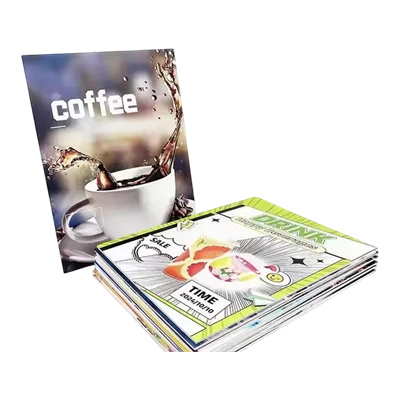
If you’re getting ready to remove a PVC advertising board and you’re not sure about the fasteners or the adhesive, don’t guess. We have a team of installers who can walk you through the process over a phone call, no matter where you’re located. We’ve helped small business owners, festival organizers, and even national retail chains figure out how to remove their boards without damage, and we’re here to help you too. Whether you’re a first-time installer or you’ve been using PVC boards for years, we can share tips specific to the type of board you have, and even send you a free sample of our PVC board to test your tools and removers before you start.
PVC Advertising Board References:
- PVC Manufacturers Association. (2022). PVC Material Properties for Commercial Signage. Industry Technical Bulletin.
- 3M Commercial Solutions. (2021). Adhesive Removal Guidelines for Rigid PVC Surfaces. Technical Data Sheet.
- Outdoor Advertising Association of America. (2020). Best Practices for PVC Sign Installation and Deinstallation. Industry Guide.
- Vinyl Institute. (2023). Care and Maintenance of PVC Signage for Reuse. Sustainable Products Report.
Jameson Performance Plastics Co., Ltd.
With abundant experience, we are one of the most professional PVC advertising board manufacturers in China. We warmly welcome you to wholesale customized PVC advertising board at competitive price from our factory. If you have any enquiry about free sample, please feel free to email us.
Address: No.97 Liuquan Road, Zibo city, Shandong, China.
E-mail: info@jamesonplastics.com
WebSite: https://www.jamesonplastics.com/
