Hey there, if you’ve ever browsed fabric panels for your space—whether for a wall accent, backdrop, or even retail displays—you’ve probably stumbled on a big question: “Do these things hold their color over time? I’m tired of buying decor that fades after a few months.” As a fabric panel supplier, I get this question so much I almost have a go-to answer ready, but let’s break this down straight, no industry jargon that’ll make your eyes glaze over. Fabric Panel
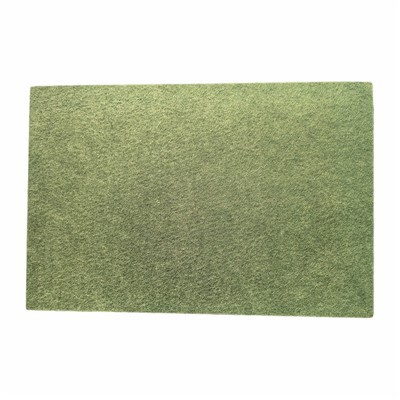
First, let’s set the scene. A lot of folks mix up regular fabric with fabric panels—panels are usually thicker, attached to a rigid backing (think MDF, foam board, or even lightweight composite) and often made for indoor or semi-outdoor spaces, right? So color fastness here isn’t just “does it not fade when washed” (that’s for clothing, duh); it’s way more about UV exposure, humidity, and occasional splashes if it’s for a patio or a busy coffee shop. That’s a key point most suppliers skip—context matters a ton.
Let’s start with the basics: what even is color fastness? Super simply, it’s how well a dye sticks to the fabric’s fibers, no running, fading, or transferring when it gets wet, exposed to sun, or even handled a lot. For panels, since they’re not just laying on a shelf, the biggest stressor is UV rays. If a panel is for a living room wall behind a couch, it’s mostly safe, but a patio panel? That’s a different story. The dye type is the first big factor here. We use two main dye processes for our panels, and this is where you can’t cut corners. Reactive dyes are the gold standard for color fastness, by the way—they bond chemically to the fabric’s cotton or polyester fibers, not just sitting on top. That means way less fading, even with months of sun. Some cheap suppliers use direct dyes, though—cheaper, but they sit on the surface. Those will fade in 6 months flat if they’re in a sunny spot, and if you spill a soda on ‘em, the color bleeds right out onto your table. That’s a huge red flag, and I’ll be the first to tell you: don’t go for the cheapest option.
Next, the fabric base matters too. Wait, not all fibers are the same. Polyester panels are way more color-fast than 100% cotton, mostly because polyester is a synthetic fiber that doesn’t absorb dye the same way—reactive dyes lock into polyester way better. But if you’re going for that soft, linen-cotton blend look (super popular for modern offices), we treat those with a UV stabilizer coating that adds an extra layer of defense against sun. A lot of smaller suppliers skip that coating to cut costs, which is why their panels fade fast. I saw a client last year who bought cheap panels for their cafe patio—by 3 months, the blue backs were a pale, washed-out gray, and no one wanted to look at ‘em anymore. We swapped ‘em out with our UV-stabilized polyester-blend panels, and a year later, they’re still bright as day. That’s the real stuff, not just marketing fluff.
Now, let’s talk about common myths. Some folks ask, “If I never wash my panels, does color fastness not matter?” Wait, yes it does. Even indoor panels get hit with sunlight through windows—south-facing rooms are brutal. I’ve had customers with kids who touch the panels a lot, or even run vacuums over ‘em (we make panels with a scotchgard option for that) and they want to know the color won’t rub off. Another myth: “All panels have good color fastness if they’re ‘fade-resistant’.” No, that label is unregulated in a lot of places. Some suppliers just print that on the box to make a sale, but there’s no third-party test to back it up. We test every batch we get with the ISO 105-B02 standard—you might not know that number, but it’s the industry test that measures UV color fastness. We require our suppliers to pass at least 4 on a 5-point scale (5 is best) for indoor use, and 3-4 for semi-outdoor. If a supplier can’t show you that test result, walk away.
What about semi-outdoor? Like a covered patio, or a restaurant outdoor seating area that’s not fully enclosed. That’s where water resistance plays into color fastness too. If a dye isn’t properly set, rain or even sprinklers can make the color run. We use a hot-set curing process for our panels—after printing, we heat ‘em to 300°F for 10 minutes, which locks the dye into the fibers so water doesn’t wash it out. Cheap suppliers usually skip that step or do a quick dry, so their panels will bleed if they get wet. I once had a retail client who set up panels for their sidewalk sale, and it rained 20 minutes after hanging ‘em. The cheap panels they’d bought ran color onto the adjacent wall and their store sign—cost them a couple thousand in repairs, plus lost foot traffic that weekend. Ouch.
Now, where do our panels stack up? I’m bias, obviously, but I’m honest. Our standard indoor panels: we use reactive-dyed polyester, ISO 105-B02 rating of 4.5 for indoor (so almost no fading over 5 years), and if you spill coffee or wine on ‘em, just blot it with a damp cloth—no color bleeding. For semi-outdoor, we add that UV stabilizer and a water-repellent coating, so they’ll hold color for 2-3 years even with direct sun and occasional rain. We recently tested a batch we hung on a test wall 4 years ago—they’re still bright, no fading, no rubbing. That’s not a gimmick; that’s because we invest in the right materials, not cutting costs.
Wait, but I’m not gonna pretend every fabric panel is perfect. If you buy super cheap panels from a big box store or an unknown online supplier, yeah, color fastness is gonna be garbage. I’ve had people contact us after buying those, asking why their panels faded in a month—and it’s 100% the dye and process they used. So the takeaway here isn’t “all fabric panels have good color fastness” or “none do”—it’s that it depends on three things: dye type, fiber base, and manufacturing process.
Let me wrap this up for you, whether you’re a homeowner, a small business owner, or a designer shopping around. If color hold is a top priority (and let’s be real, who wants to replace decor every year?), don’t just go by the pretty picture on the site. Ask the supplier: what dye do you use? What’s your UV test rating? Do you do hot-set curing? If they can’t answer those clearly, move on. And if you’re looking for a supplier that actually stands behind their panels’ color quality, feel free to reach out to chat through your specific space—whether it’s a bedroom accent wall, a cafe patio, or a retail display, we can help pick the right panels that’ll stay bright for as long as you need ‘em.
Acoustic Material References
- American Association of Textile Chemists and Colorists. (2018). Test Method 61: Color Fastness to Water.
- International Organization for Standardization. (2019). ISO 105-B02: Textiles – Tests for colour fastness – Part B02: Colour fastness to artificial light: Xenon arc fading lamp test.
- Textile Institute. (2021). Color Fastness in Technical Textiles: A Practical Guide for Specifiers.
Suzhou Trano New Material Technology Co., Ltd.
As one of the most professional fabric panel manufacturers and suppliers in China, we also support customized service. Please feel free to buy bulk high quality fabric panel for sale here from our factory. For price consultation, contact us.
Address: SuZhou
E-mail: info@trano-tech.com
WebSite: https://www.tranofelt.com/
