When I meet vehicle owners at industry events or chat with local auto mechanics, one question comes up more often than you might think: “What part of my car actually matters most when I go to sell it?” I’ve spent the last 12 years as a vehicle suspension system supplier, and I can tell you it’s not just the engine or the paint job. The suspension—those shock absorbers, springs, control arms, and sway bars that keep your tires glued to the road and your ride smooth—is a silent hero that makes or breaks resale value, more than many drivers realize. Vehicle Suspension System
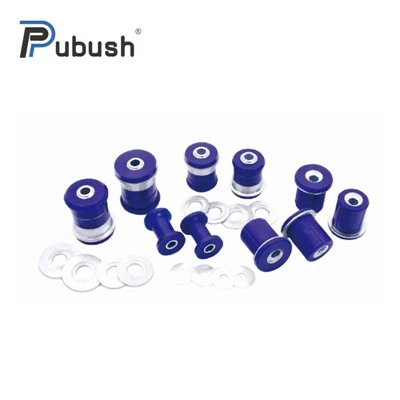
Let’s start with the basics: most people know the suspension handles bumps, but few understand how it shapes the whole driving experience buyers pay for. A few years back, I worked with a dealership in the Midwest that told me about two identical 2018 mid-size sedans on their lot. Both had 60,000 miles, clean CarFax reports, and were priced the same at $12,500. One had worn-out shocks and neglected bushings; the other had a full set of high-performance replacement suspension components installed 10,000 miles prior. The one with the upgraded suspension sold in 48 hours, for $1,000 over asking. The other sat on the lot for three weeks, and eventually, the dealer had to drop the price by $1,500 to move it. That’s not a one-off story—it’s proof the suspension’s condition directly impacts what buyers are willing to spend.
So why does this part matter so much? Let’s break down the measurable and perceived factors. First, safety. Worn suspension doesn’t just make a ride bumpy—it reduces braking performance and handling. If your shocks are shot, your car can take 20% longer to stop on wet pavement, according to research from the Automotive Service Association (ASA). For used car buyers, especially families or commuters who rely on their vehicles daily, that safety edge is non-negotiable. A vehicle with a well-maintained suspension signals the owner cared for every critical system, not just the easy ones like oil changes and tire rotations. Buyers will pay a premium for that peace of mind, because they don’t want to fix a broken suspension within a few months of purchase.
Then there’s ride comfort, which is a big driver of perceived value. A 2022 survey by J.D. Power found that 68% of used car buyers rank “smooth ride” as a top priority, even above infotainment systems or interior space. A stiff, bouncy ride from bad shocks makes even a new car feel old. I’ve seen this first-hand with pickup trucks, too—truck owners use their vehicles for work and weekend trips, so a suspension that can haul a load without rattling the cab is make-or-break. Last year, we supplied a fleet of suspension upgrades to a rental company that turned their 5-year-old trucks around faster and for higher prices than competitors who didn’t upgrade the suspension. Their repeat customers would pay extra just for a ride that didn’t feel like driving a metal box on potholes.
But it’s not just about bad suspension hurting value. Good, well-maintained suspension can boost resale value in unexpected ways. Let’s talk about longevity. The suspension is a system that, when properly cared for, prevents wear on other expensive parts. For example, worn front shocks cause uneven tire wear. If your tires are cupped and replace them prematurely, that’s a $500-$800 expense a new owner would have to cover. If the suspension is in good shape, tires last 15-20% longer, according to the Tire Industry Association (TIA). That’s a huge selling point. A buyer will look at the tread and see it’s even, and know the suspension did its job, which means the car was maintained correctly overall.
There’s also the resale market’s bias toward “like-new” condition. Modern vehicles come with sophisticated suspension systems, many with adaptive dampers that adjust to driving conditions. If those systems are malfunctioning, a car can be sidelined in resale because buyers think a faulty suspension means hidden issues. We work with a lot of European car owners who are particular about their vehicle’s handling; if their adaptive suspension isn’t working as it should, they’d rather install a high-quality replacement set of standard or performance shocks than try to fix the original adaptive system, which is often expensive to repair. That investment pays off when they sell, because the next buyer doesn’t have to deal with complex, costly repairs down the line.
I’ve also learned that the way a seller communicates suspension condition matters. Too many owners wait until the suspension makes a loud clunk over bumps, or their car pulls to one side, to address it. By then, the damage is done, and resale value has already dropped. On the flip side, if you service your suspension every 50,000 miles, replace parts proactively, and keep receipts, you can highlight that in your sales pitch. A friend of mine sells vintage SUVs as a side hobby; he always includes a copy of suspension service records with every vehicle, and he consistently sells them for 10-15% above market value. Buyers see that and know the owner didn’t cut corners, which builds trust and lets them justify a higher price.
Now, let’s get into common mistakes that hurt suspension-related resale value. The first is ignoring small issues. A cracked sway bar end link or a slightly sagging coil spring might not feel like a big deal, but to a buyer, it’s a red flag that the car wasn’t maintained. I’ve seen owners try to hide suspension noise with cheaper fixes, like spray lubricant that only works temporarily, but it doesn’t fool a mechanic or a test drive. The second mistake is using low-quality replacement parts. I can’t tell you how many times a customer has come to us because they installed cheap shocks from a big-box store, and now their car’s ride is worse than before, and when they try to sell it, the mechanic checks the suspension and points out the poor parts. High-quality, OE-equivalent suspension parts last longer, perform better, and signal to buyers that the vehicle has reliable components.
Another angle: different vehicle types have different suspension priorities. Sports cars, for example, rely on tight, precise suspension for handling. A used sports car with worn bushings will feel loose and unresponsive, which turns performance buyers away. They’ll pay extra for a suspension that’s set up for cornering, so replacing those parts with high-performance options can add even more value than it would on a sedan. On the other end, family SUVs prioritize smoothness and durability. A minivan with a suspension that handles both school runs and highway trips will sell faster than one that feels bumpy, because families want their daily driver to be comfortable for long trips and safe for kids.
What about electric vehicles (EVs)? That’s a fast-growing segment, and the suspension’s role in their resale value is just as important. EVs are heavier than gas-powered cars, because of their battery packs, so the suspension has to work harder to handle that extra weight. A worn suspension on an EV can lead to uneven tire wear, which is even more costly because EVs often use specialized low-rolling-resistance tires that are more expensive to replace. We’ve seen EV owners who upgrade their suspension to match the extra weight see resale values hold 5-10% better than those who skip that step. Buyers know EVs have high operating costs, so they’re wary of any additional expenses like early tire replacement, and a good suspension avoids that.
I’ve talked to hundreds of buyers over the years, and one comment sticks out: “I don’t want to buy a car that feels like it’s been through a ringer.” That feeling starts with the suspension. It’s the part you feel every time you turn a corner, hit a pothole, or merge onto the highway. If it’s working right, the whole car feels well-cared for. If it’s not, no amount of new paint or a fresh oil change will make up for it.
So what can owners do to protect and boost their vehicle’s resale value when it comes to suspension? First, stay on top of regular inspections. Most mechanics recommend a suspension check every 10,000 miles, or whenever you get tires rotated. Catching a worn bushing or a small leak in a shock early is way cheaper than replacing a whole suspension set later, and it keeps the car performing at its best. Second, choose high-quality replacement parts when you do need repairs. Avoid generic, one-size-fits-all parts; go with parts that match or exceed OE specifications, which deliver better performance and longevity. Third, keep all service records. When you go to sell, having proof that you maintained the suspension builds trust with buyers and lets you justify a higher price. Finally, don’t wait until you’re ready to sell to address issues. A small repair now saves you thousands in resale value later.
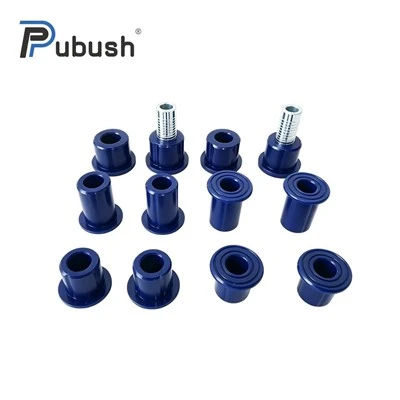
If you’re a vehicle owner looking to maintain or improve your car’s resale value, or if you’re a mechanic needing reliable suspension components for your service work, we’re here to help. As a leading vehicle suspension system supplier, we offer a full range of OE-equivalent and performance-grade suspension parts for all makes and models, with the durability and quality to keep your vehicles running smoothly and hold their value. We work with individual owners, repair shops, and dealerships to provide the parts and support you need to keep suspension systems in top shape. Whether you need a single shock absorber, a full suspension kit, or expert advice on the right parts for your vehicle, our team is ready to assist. Reach out to us to discuss your specific needs and find the right suspension solutions for your vehicle or business.
Vehicle Suspension System References
Automotive Service Association. (2021). Suspension System Performance and Safety Standards.
J.D. Power. (2022). Used Vehicle Purchase Preferences Study.
Tire Industry Association. (2023). Tire Wear Patterns and Suspension Correlation Report.
Electric Vehicle Association. (2023). EV Suspension Requirements and Resale Value Trends.
Xingtai Refined Machinery and Auto Accessory Co., Ltd.
Xingtai Refined Machinery and Auto Accessory Co., Ltd. is one of the most professional vehicle suspension system manufacturers and suppliers in China, featured by quality products and low price. Please rest assured to wholesale durable vehicle suspension system made in China here from our factory. Customized orders are welcome.
Address: XINGTAI REFINED MACHINERY AND AUTO ACCESSORY CO., LTD507 NORTH TAIHANG ROAD, XINGTAI CITY, HEBEI PROVINCE, PR.
E-mail: lindy@rfauto.biz
WebSite: https://www.pubush-suspension.com/
