If you’ve ever sipped a crisp, mineral-sparkling soda, poured a smooth craft beer, or stirred a pot of clean, consistent liquid for a processed snack, you’ve likely interacted with a product that relied on reverse osmosis (RO) membrane technology. For years, I’ve worked as a reverse osmosis membrane supplier, helping food and beverage facilities solve one of their most persistent challenges: balancing quality, safety, and operational efficiency without sacrificing product consistency. What many people don’t realize is that RO is far more than a water treatment tool—it’s a foundational processing step that shapes everything from raw ingredient preparation to final product refinement. Let’s break down how RO membranes fit into food and beverage processing, what they can (and can’t) do, and why they’ve become an indispensable part of modern production lines. Reverse Osmosis Membrane
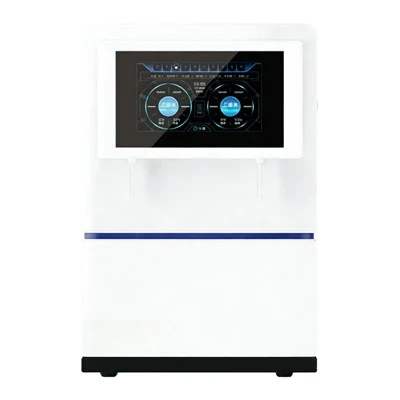
First, let’s demystify reverse osmosis for context. At its core, RO works by forcing water through a semipermeable membrane under pressure, separating molecules and ions larger than the membrane’s tiny pores. Most commercial food and beverage RO membranes have pore sizes around 0.0001 microns—small enough to filter out 99% of dissolved salts, minerals, bacteria, viruses, and even some organic compounds. Unlike other filtration methods, such as microfiltration or ultrafiltration, RO doesn’t just trap particles; it purifies water at the molecular level, making it ideal for processes where water purity directly impacts product taste, safety, and shelf life.
Water is the unsung hero of food and beverage processing. It makes up 80 to 95% of products like soft drinks, beer, wine, and bottled water, and it’s a key ingredient in cleaning equipment, diluting concentrates, and extracting flavors. For small craft breweries, inconsistent tap water can ruin a batch: high calcium levels can make beer taste bitter, excess chlorine can kill yeast during fermentation, and hard water can lead to scaling in boilers or processing tanks. For large beverage manufacturers, unreliable water quality can cause product recalls, inconsistent flavor profiles, and increased maintenance costs. That’s where RO enters as a first-line treatment, and it’s why so many food and beverage facilities partner with suppliers like mine to source membranes tailored to their specific needs.
Let’s start with the most obvious use case: bottled water. By now, most consumers know that purified bottled water often goes through RO, but many don’t understand why it’s preferred over other methods like distillation. Distillation requires boiling water and condensing steam, which uses up to three times more energy than RO, making it less cost-effective for large-scale production. RO membranes, when maintained correctly, remove unwanted contaminants without stripping water of naturally occurring trace elements that give it a clean, neutral taste. For spring water brands that want to remove just the excess minerals that cause off-flavors, we offer low-solute rejection RO membranes that balance purification and flavor—something we’ve perfected over years of working directly with bottled water producers.
Beyond bottled water, RO plays a critical role in brewing and distilling. Craft breweries, in particular, have embraced RO as a way to replicate ideal water profiles for different beer styles. For example, pale ales require high sulfate levels to enhance hop bitterness, while stouts need higher carbonate levels to round out roasted malt flavors. Instead of adjusting tap water with chemical additives— a process that can be messy and inconsistent—breweries now use RO to create a “blank slate” of pure water, then add only the exact minerals needed for their recipe. I’ve worked with a craft brewery in the Pacific Northwest that switched to RO three years ago; they cut their water adjustment costs by 40% and reduced batch-to-batch flavor variation, which helped them expand distribution to regional grocery stores. Distilleries use a similar approach: purified RO water ensures that whiskey, vodka, and gin have consistent alcohol content and smooth flavor, regardless of fluctuations in local tap water.
Another fast-growing application is in fruit and vegetable juice processing. Many commercial juice brands use RO to concentrate juice without applying heat, which preserves vitamins, antioxidants, and flavor compounds that would otherwise break down in heat-based evaporation. For context, traditional evaporation can heat juice to over 150°F, which dulls fresh flavor and reduces nutritional value. RO, on the other hand, operates at room temperature, pushing water out of the juice through the membrane while leaving sugars, vitamins, and flavor molecules intact. Concentrated juice from RO takes up 75% less space than original juice, lowering shipping and storage costs— a huge benefit for manufacturers that import or distribute juice across regions. We also supply specialty RO membranes for juice processing that are food-grade, meaning they don’t leach any chemicals into the product, a critical requirement for brands marketing “all-natural” or “cold-pressed” lines.
RO isn’t just for liquids either. It’s increasingly used in ingredient processing, particularly for whey protein, a popular additive in sports nutrition, baked goods, and infant formula. Whey, a byproduct of cheese making, is a watery liquid loaded with protein, lactose, and minerals. RO removes water from whey to create a concentrated protein solution, which is then further processed into powder. This method is more energy-efficient than ultrafiltration, another common whey processing technique, and it retains more of the whey’s natural amino acids that are valuable for sports nutrition products. I recently worked with a protein powder manufacturer that was struggling with high lactose content in their powder, which caused digestive issues for some consumers. By adjusting their RO membrane’s rejection rate, we helped them filter out excess lactose while preserving 90% of the protein, leading to a product that earned better reviews and increased sales.
Of course, RO has limitations that are important to acknowledge—because no technology works for every food and beverage need. For one, RO membranes require careful maintenance to stay effective. If not cleaned regularly, they can become clogged with organic compounds from juice or dairy processing, reducing flow rate and purification efficiency. Many manufacturers underestimate the cost of membrane upkeep, which is why we offer not just membranes, but also training and support to help facilities extend membrane lifespan. Another limitation is that RO removes beneficial minerals like calcium and magnesium. For products where these minerals are a selling point, like mineral water, we offer post-RO remineralization kits that add back specific minerals without compromising purity. Also, RO isn’t ideal for removing all contaminants: certain volatile organic compounds (VOCs) that have a smaller molecular size than RO membrane pores can slip through, so facilities need to pair RO with activated carbon filtration for complete purification.
As a reverse osmosis membrane supplier, I’ve seen firsthand how many food and beverage facilities approach RO as a one-size-fits-all solution, which often leads to poor results. A brewery using a generic RO membrane for water treatment might end up with water that’s too pure, leading to stuck fermentation, while a juice manufacturer using a low-quality membrane might have off-flavors or chemical leaching. That’s why we prioritize understanding a facility’s specific needs before recommending a membrane: what’s the volume of water they process daily? What contaminants are in their source water? Do they need to preserve flavor, concentrate ingredients, or ensure food safety? For example, a small boutique winery might need a compact, low-maintenance membrane for their small-batch wine production, while a large soda manufacturer might need industrial-scale membranes that can handle millions of gallons of water per day without sacrificing performance.
Food safety is another critical consideration. The FDA and other global food safety agencies have strict standards for processing equipment that comes into contact with food, and not all RO membranes meet these requirements. That’s why all the membranes we supply are certified food-grade, meaning they don’t contain any harmful materials that could transfer to products. We also help facilities validate their membrane systems, testing regularly to ensure they’re removing pathogens like E. coli and salmonella, which can contaminate water and cause serious health risks. During the height of the COVID-19 pandemic, we worked with several beverage manufacturers to adjust their membrane systems to remove any potential viral contaminants in their source water, helping them maintain production lines and keep products on shelves.
Looking ahead, the future of RO in food and beverage processing is bright, driven by two trends: sustainability and product personalization. Consumers are increasingly demanding products with fewer additives, lower carbon footprints, and consistent quality, and RO supports both. For example, RO reduces water waste in processing by 20 to 30% compared to other purification methods, which helps facilities meet their sustainability goals. On the product side, brands are creating custom flavors and nutritional profiles, and RO’s ability to precisely control water and ingredient purity makes it easier to develop these products without costly trial and error. We’re currently working on a new line of bio-based RO membranes made from plant-based materials, which will be more sustainable and biodegradable than traditional polymer membranes— a response to growing demand for eco-friendly manufacturing practices.
I’ve spent over a decade working with food and beverage facilities, and the biggest mistake I see is underestimating how integral RO is to their success. It’s not just a water treatment step; it’s a tool that improves product quality, reduces costs, and drives innovation. Whether you’re a small craft brewery refining your beer’s flavor or a large juice manufacturer cutting shipping costs, the right RO membrane can make a tangible difference in your operations.
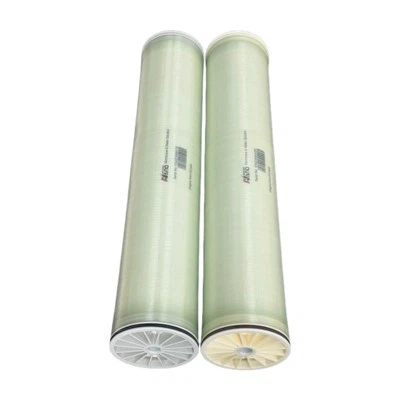
If you’re looking to improve your food and beverage processing, from purification to concentration, we’re here to help. We can assess your current system, recommend the right membrane, and provide the support you need to keep your operations running smoothly. For inquiries about our reverse osmosis membranes for food and beverage processing, reach out to our team to discuss your specific needs.
Sanitary Membrane References
- Food and Agriculture Organization of the United Nations. (2020). Reverse Osmosis in Food and Beverage Processing: Applications and Best Practices.
- U.S. Food and Drug Administration. (2021). Guidance for Industry: Food-Grade Membrane Systems.
- International Journal of Food Microbiology. (2019). “Purification of Fruit Juices via Reverse Osmosis: Effects on Nutritional and Sensory Properties.”
- Brewer’s Association of the United States. (2022). Water Treatment for Craft Breweries: A Guide to Reverse Osmosis.
- Journal of Food Engineering. (2021). “Advances in Reverse Osmosis Membranes for Sustainable Food Processing.”
Hangzhou Nanoimp Environmental Technology Co., Ltd.
With abundant experience, we are one of the most professional reverse osmosis membrane manufacturers and suppliers in China. Welcome to wholesale high quality reverse osmosis membrane in stock here and get pricelist from our factory. We also accept customized orders.
Address: Road 25, Baiyang Street, Qiantang District, Hangzhou City, Zhejiang Province
E-mail: keith.wang@nano-sepmer.com
WebSite: https://www.nanoimp-membrane.com/
