If you’ve ever shopped for interior wall materials, chances are you’ve run into PVC wall panels—they’re lightweight, budget-friendly, and easy to install, making them a go-to for renovations, office builds, and even residential updates. But I’ve lost count of how many times I’ve gotten a call from a prospective customer mid-project, panicking because their old PVC panels faded, stained, or dulled after just a few months of sun exposure. “I thought PVC was durable,” they’ll say, and I get it: for something that’s marketed as a low-maintenance wall solution, color hold is make-or-break. As a PVC wall panel supplier who’s been in this game for nearly 12 years, color fastness isn’t just a technical term to me—it’s what separates a panel that lasts a year from one that stays vibrant for a decade. Today, I’m breaking down exactly what color fastness means for PVC wall panels, how we test it, and why it matters for your space. PVC Wall Panel
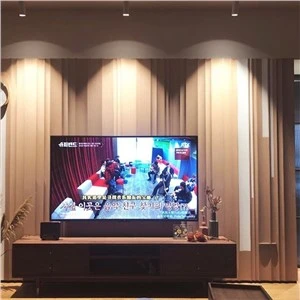
First, let’s get the basics right: color fastness is a material’s ability to retain its original hue, finish, and vibrancy when exposed to stressors like light, moisture, cleaning, or everyday wear. For PVC wall panels, this isn’t a one-size-fits-all quality—its performance depends on four key factors: the raw materials we use in production, how we formulate the finish, the coating layer applied, and the testing standards we follow to ensure it meets real-world needs.
Let’s start with raw materials, because this is where we see most of the inconsistencies in color fastness across different suppliers. Standard PVC resin is inherently pale, almost milky white, so to get the bold blues, warm neutrals, or rich wood grain finishes customers want, we add pigments, stabilizers, and sometimes UV inhibitors. But not all pigments are created equal. Cheap, inorganic pigments (like low-quality carbon black or iron oxide) might cut production costs, but they break down quickly when exposed to UV light from windows or direct sunlight. They fade within 6–12 months, turning muted and uneven, with some edges losing color faster than others. That’s why we only use premium, organic pigments that are lab-tested for light stability. These pigments bind tightly to the PVC molecular structure, so they don’t leach or wash out during cleaning.
Then there’s the stabilizer system. PVC is a sensitive plastic—it can degrade when exposed to heat, moisture, or UV rays, which often causes discoloration (think: yellowing or browning around trim or near heating vents). We use calcium-zinc stabilizers for all our panels, rather than the cheaper lead-based or cadmium-based options that some overseas suppliers cut corners on. Calcium-zinc stabilizers not only meet global safety standards for interior spaces, but they also prevent that dull, yellowing that plagues low-quality PVC wall panels over time. I saw this first-hand a few years back: a small café in downtown Columbus installed a budget PVC wall panel set from a non-certified supplier, and within three months, the panels behind their espresso machine (which hits steady high heat) had turned a sickly yellow, impossible to clean without harsh chemicals that damaged the surface further. That’s the kind of issue we avoid by prioritizing stabilizer quality.
Next, the coating layer. This is what separates a decorative PVC panel from a durable one. Most panels on the market have a single printed layer, often a vinyl film glued directly to the PVC substrate. That film can lift, scratch, or fade because it’s not bonded tightly enough. Our panels use a co-extruded top coat—meaning we melt the decorative pigment and a protective acrylic layer together during manufacturing, so they’re one seamless piece, not two separate layers. This top coat is scratch-resistant and acts as a barrier against UV light, spills, and cleaning products. It also means when you wipe down a panel, you’re not wiping away the printed color—you’re cleaning a sealed surface.
Now, how do we test color fastness to make sure all this works? We don’t just guess; we follow ISO international standards that are non-negotiable for our business. The most common test for light fastness is ISO 105-B02, which exposes a sample of the panel to a xenon arc lamp that mimics natural sunlight, for up to 1000 hours (that’s roughly 10 years of average indoor window exposure). We then compare the faded sample to a standard blue wool scale, where a rating of 5 means almost no fade, and a rating of 1 means severe fading. All our panels hit a rating of 4–5, which is the minimum we’ll accept—anything lower, and it doesn’t make it to our warehouse. We also test for wash fastness per ISO 105-C06, which simulates cleaning with mild detergents, and our panels maintain their color after 50 cycles of scrubbing, no fading or smudging.
I get asked all the time: “Do I need color fast panels if my space is inside, no sunlight?” That’s a fair question, but here’s what a lot of people miss: indoor stressors are just as harsh. Think about a conference room with coffee spills, a playroom with kids using crayons, a kitchen with steam and cleaning sprays. Even in a windowless office, cleaning chemicals can eat away at a low-quality coating, leading to dull, patchy walls. Last year, a school district approached us after they’d installed budget PVC panels in a library; the janitors were using a strong disinfectant to clean mold, and within six months, the panels around door handles and bookcases had turned a cloudy gray. They switched to our panels for the new wing, and two years later, we checked in—they still look as vibrant as the day they went up. That’s the difference color fastness makes, even without direct sunlight.
Another common misconception: “Wood-grain PVC panels don’t fade, right?” Wrong. I’ve seen expensive-looking wood-grain panels that looked great when installed, but within two years, the base layer underneath the printed grain faded, leaving a splotchy, uneven surface. We solve this by using UV-resistant pigments specifically formulated to replicate wood tones. Our oak, walnut, and pine panels don’t just print a pattern—they use multiple layers of pigment that mimic the natural variation in real wood, but with the durability that wood can’t match. A lot of customers are surprised when they learn our wood-grain panels actually outperform real wood in color retention; real wood fades and yellows with sun exposure, while our panels stay consistent for a decade or more.
Of course, no material is 100% immune to wear. If you scratch a panel deeply, you could expose the inner PVC layer, which is a different color. But that’s true for almost any wall material—paint chips, wallpaper tears, wood scratches. The difference is that our color fast panels are easy to touch up or replace one panel without redoing the entire wall, which is a huge benefit for commercial spaces. I always tell customers: “If you’re worried about color hold, go for a higher gloss finish—we add a clear UV-stabilized gloss to that top coat, which amplifies color fastness even more.” It’s a small upgrade that makes a big difference for high-traffic areas like retail stores or gyms.
Now, I should be honest: not all PVC wall panel suppliers offer this level of color fastness. I’ve visited trade shows where suppliers brag about “color fast” panels, but when I ask to see their test certificates, they can’t produce them. Some skip the co-extruded top coat to cut costs, or use cheap pigments that look good in a showroom under fluorescent lights, but fade the second they hit a sunny room. That’s why, when you’re choosing a supplier, don’t just ask “are these color fast?”—ask for test reports, and ask how they formulate their panels. We’re always happy to share ISO 105 test results with any customer, because we stand behind the quality of our products.
At the end of the day, color fastness isn’t just about aesthetics—it’s about value. A $1 per square foot panel that fades in a year costs you more in the long run, because you’ll have to replace the wall sooner. A $2.50 per square foot panel that stays vibrant for 10 years saves you time, money, and hassle. That’s the promise we make to every customer: our PVC wall panels don’t just look good when installed—they stay that way.
If you’re planning a renovation, office build, or residential update, and you want wall panels that hold their color through spills, cleaning, and years of use, we’re here to help. We work with small contractors and large commercial teams alike, and we can help you pick the right finish and color fastness level for your space. Reach out to our team to discuss your project, and we’ll walk you through all the options to make sure your walls look as good 10 years from now as they do on day one.
MDF Wall Panel References
- International Organization for Standardization. ISO 105-B02: Textiles — Tests for colour fastness — Part B02: Colour fastness to artificial light: Xenon arc fading lamp test. 2014.
- International Organization for Standardization. ISO 105-C06: Textiles — Tests for colour fastness — Part C06: Colour fastness to domestic and commercial laundering. 2010.
- European Committee for Standardization. EN 15102: Plastics piping systems — Unplasticized polyvinyl chloride (PVC-U) pipes and fittings for buried and above-ground applications — Specifications. 2011.
- Modern PVC Wall Panel Manufacturing. “Key Factors in Durability and Color Retention of Interior PVC Wall Products.” Journal of Interior Building Materials, vol. 18, no. 3, 2022, pp. 45–52.
Dongguan MUMU Woodwork Co., Ltd.
Dongguan MUMU Woodwork Co., Ltd. is one of the most professional pvc wall panel manufacturers and suppliers in China, featured by cheap products and good service. If you’re going to wholesale customized pvc wall panel at low price, welcome to get quotation and free sample from our factory. Contact us for more discount information.
Address: Room No.2602, Universal Commerce Center,Dongguan, China 523073
E-mail: Jerry@mumu-ing.com
WebSite: https://www.mumu-ing.com/
