If you’ve ever walked across a factory floor, a loading dock, or a platform above a processing plant, chances are you’ve stepped on carbon steel grating. For years, I’ve supplied this material to industrial operators, fabricators, and maintenance teams, and one question comes up almost every time: “How tough is this stuff, really?” It’s not just a casual query—wear resistance is make-or-break for these spaces. A grating that wears out too fast means unplanned shutdowns, safety risks, and added costs. So today, I’m breaking down what actually makes carbon steel grating’s wear resistance work, how it stacks up to other materials, and what you should look for when evaluating it for your space. Carbon Steel Grating
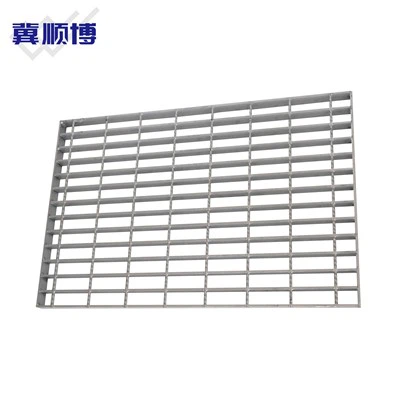
First, let’s ground this in what carbon steel grating is. Unlike stainless steel or aluminum gratings, which use alloys to boost properties, carbon steel is an iron-carbon alloy with up to 2% carbon. That extra carbon is key for hardness—hardness directly ties to wear resistance, right? But it’s not just the base metal; the grating’s structure matters too. Most industrial carbon steel grating is made by welding or press-locking steel bars perpendicular to load-bearing bars, creating a grid of openings that lets debris, water, and small spills fall through. The bars themselves are usually hot-rolled, which gives them a thicker, denser grain structure than cold-rolled, making them more resistant to abrasion.
Abrasion is the biggest wear force for grating. Think about it: forklift tires rolling over the same 10-foot path 50 times a day, foot traffic with heavy work boots dragging metal soles, or even bulk materials like gravel or metal shavings falling onto the surface. These are all abrasive forces, and carbon steel’s inherent hardness handles them far better than many alternatives. Let’s put numbers to it. Standard mild carbon steel (A36, the most common grade for grating) has a Brinell hardness (HB) of around 120-160. For context, aluminum grating hovers around 60 HB, and stainless steel 304 is around 150 HB. That extra 10-100 HB in carbon steel means it can withstand twice as many abrasion cycles in some tests, depending on the load.
But wait—wear resistance isn’t just hardness. Impact also plays a huge role, especially in spaces with heavy equipment. If a forklift drops a metal part or a drum falls over, the grating has to resist denting or cracking, not just scratching. Carbon steel’s tensile strength (around 58,000-80,000 psi for A36) makes it more ductile than harder alloys, so it bends rather than breaks. That combination of hardness for abrasion and ductility for impact is where carbon steel stands out. For example, a client in a steel mill told me last year they switched from stainless steel grating in their material handling area because the stainless would scratch through within 18 months, requiring constant replacements. Our carbon steel grating, treated with a galvanized coating, is still going strong after 4 years.
Speaking of coatings—this is a point I can’t stress enough as a supplier. Raw carbon steel is prone to rust, and rust actually accelerates wear. When rust forms, it creates a flaky, uneven surface that catches debris and increases friction every time something rolls or steps on it. That’s why most industrial carbon steel grating is hot-dip galvanized after fabrication. Hot-dip galvanizing works by bonding a layer of zinc to the steel surface at a molecular level, creating a barrier between the steel and moisture or corrosive materials. This coating doesn’t just prevent rust—it improves wear resistance by creating a smooth, consistent surface that reduces friction. I’ve seen cases where uncoated carbon steel grating wore out in 6 months in a warehouse loading dock, while galvanized versions lasted 10+ years in the same exact traffic.
But not all galvanizing is the same. The thickness of the zinc layer matters. Standard galvanizing for grating is around 3-5 mils (75-125 microns) thick. For high-wear areas, like areas with constant heavy forklift traffic, we offer a thicker “super-galvanized” coating, which can be up to 8 mils thick. This extra layer adds to the hardness of the surface, making it even more resistant to abrasion. Another option is epoxy coating, which is popular for spaces with chemical spills—though I always caution that epoxy can scratch off more easily in high-traffic areas than galvanizing, so it’s a trade-off to evaluate based on your specific environment.
Now, let’s talk about how carbon steel grating performs in real-world conditions, not just lab tests. I’ve worked with clients in a wide range of industries, and wear resistance varies a lot based on use case. In general, carbon steel grating is ideal for:
- Manufacturing plants with heavy machinery and regular material handling: It can withstand 5-10 years of consistent forklift and foot traffic without significant wear, as long as it’s properly galvanized.
- Loading docks and warehouse platforms: The galvanized coating resists wear from tire rubber, small debris, and occasional spills, outlasting aluminum gratings by 2-3 times.
- Outdoor walkways in industrial yards: The zinc coating protects against moisture and snow/ice exposure, so it doesn’t rust through even in harsh winter climates.
Where carbon steel grating might fall short is in extremely corrosive environments, like chemical processing plants with frequent exposure to strong acids. In those cases, stainless steel or fiberglass grating is a better pick. But for most general industrial uses, carbon steel’s wear resistance is unmatched by cost. Fiberglass grating, for example, is lighter, but it’s far softer—abrasion from metal shavings will scratch through fiberglass in a few years, requiring more frequent replacements.
Another factor that affects wear resistance is the grating’s bar size and spacing. Thicker, closer-spaced bars obviously wear better than thin, widely spaced ones, because they have more material to absorb abrasion. As a supplier, we always work with clients to match bar size to their traffic load. For example, a 1 1/8-inch thick bar is standard for heavy forklift traffic, while a 1-inch bar works for light foot traffic only. Getting this right at installation directly impacts how long the grating will last.
I’ve also seen common mistakes that reduce carbon steel grating’s wear resistance. One big one is skipping galvanizing. A client recently tried to save money by using uncoated carbon steel grating in their outdoor storage yard, and within a year, rust had pitted the surface so much that debris got caught, leading to faster wear and even a small safety issue when a forklift tire caught on a rust spot. Another mistake is using the wrong grade of carbon steel. For light applications, lower-grade steel might work, but for high-wear areas, we always recommend A36 hot-rolled steel, which has the optimal combination of hardness and strength.
So, to sum up the wear resistance of carbon steel grating: It’s a balance of the base metal’s hardness, the structure’s strength, and the protective coating’s durability. Lab tests show it’s more wear-resistant than aluminum, and in many cases, more cost-effective than stainless steel for heavy industrial use. But like any material, it’s not one-size-fits-all. It works best when matched to your specific environment, traffic load, and exposure to corrosives.

If you’re evaluating carbon steel grating for your facility, let’s talk through your needs. Whether you’re dealing with heavy forklift traffic in a warehouse, foot traffic on a processing platform, or outdoor exposure in a manufacturing yard, we can help you pick the right grade, bar size, and coating to get the most wear resistance out of your grating. Don’t wait for unplanned downtime from worn-out grating—reach out to discuss your project and find the best solution for your space.
Fiberglass Grating References
- ASM International. (2020). Properties and Selection: Irons, Steels, and High-Performance Alloys. ASM Handbook Volume 1.
- National Association of Steel Pipe Distributors. (2019). Hot-Dip Galvanizing for Steel Structures: Performance Characteristics.
- Industrial Grating Manufacturers Association. (2021). Wear Resistance of Steel Grating: Field Test Results for Industrial Applications.
- American Society of Mechanical Engineers. (2018). Standard Specification for Carbon Steel Plates, Shapes, and Bars.
Hebei Shunbo Metal Wire Mesh Manufacturing Co., Ltd.
As one of the most professional carbon steel grating manufacturers and suppliers in China, we’re featured by quality products and good price. Please rest assured to buy high-grade carbon steel grating for sale here from our factory. Contact us for more details.
Address: No.66, Xicheng Avenue, West Zone, Economic Development Zone, Raoyang County, Hengshui City, Hebei Province, China
E-mail: info@steelgratingworld.com
WebSite: https://www.shunbosteelgrating.com/
