Hey everyone, let’s cut to the chase – if you’re still rockin’ that vintage CRT TV you hauled out of your parent’s attic or scored at a garage sale last month, you’ve probably hit that exact wall I run into every day with my buddies. You plug your brand new cable box, streaming stick, or even an old game console into the back, and there’s… nothing. Just a blank screen or static that sounds like a bad coffee pot gurgling. Turns out 9 times out of 10, it’s not your TV’s fault – it’s that lousy old coaxial input on the back that hasn’t seen a digital signal since your high school graduation. Coax Adapter
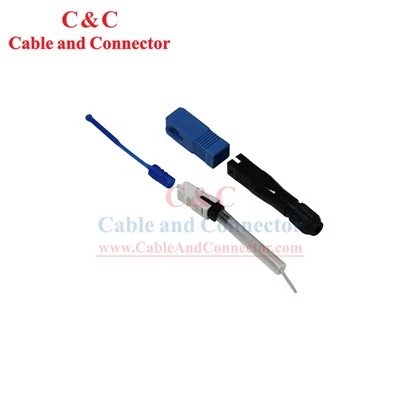
Look, I’m the guy behind a small, no-fuss coaxial adapter company, so I don’t do the corporate fluff. Let’s break this down like we’re grabbing a beer after work, no confusing tech jargon, just real stuff that works for old TVs.
First, let’s get why this happens, ’cause I know half of you skip straight to the “how to fix it” part. Old TVs – we’re talkin’ 90s CRTs, early flat-screens that pre-date HDMI’s big break – were built for analog signals. Back in the day, your cable or antenna ran one thick coaxial cable into that round metal port, and that’s it. No fancy HDMI ports, no USB, just that single spot. Then digital came along, right? Cable companies switched to digital signals like 15 years ago, so when you plug your new streaming device or cable box into that old port? It’s like trying to plug a USB drive into a cassette player. The old port doesn’t speak the new language, so your TV just stares at it confused. That’s where adapters come in – think of ’em as a translator for your TV.
Now, not all coaxial adapters are created equal, and I see so many folks waste $10 on a flimsy one from a drugstore that dies in a week. My company’s been makin’ adapters specifically for old TVs, so I’ve tested everything – the good, the bad, the ones that short out after a month. Let’s talk about what actually matters, okay?
First, make sure you’re gettin’ the right type for your setup. Most of the time, you’re either runnin’ an antenna or cable, and you need an adapter that converts your new device’s HDMI output (’cause that’s what all your new stuff uses) into a coaxial signal that your old TV can read. Wait, no – hold on, let me clarify a sec. Some people mix up the direction. If your old TV only has a coaxial input, but your streaming stick only has HDMI, you need an HDMI-to-coaxial adapter. If you’ve got a cable or antenna that’s coaxial, but you wanna run it to a device that needs HDMI, you’re goin’ the other way, but that’s way less common for old TVs. I see so many people buy the wrong one and get mad that it doesn’t work – that’s on both us (for not makin’ it clear) and ’em for not checkin’ their TV’s ports first.
Here’s a quick trick to check: Stand behind your old TV and look at the ports. If there’s a round, metal, screw-in port labeled “ANT” or “COAX” (usually a quarter-inch wide, with a little center pin), that’s your analog spot. Any other ports – HDMI, USB, RCA (the yellow/red/white ones) – yeah, you can use those too, but if you’re stuck only with coaxial, the adapter’s your move.
Now, quality stuff. The cheap adapters you see online? They use thin, flimsy wiring that can’t carry a strong signal, so you get static, blurry pictures, or signal dropouts every time someone walks in front of the TV. Our adapters use gold-plated connectors, not tin, ’cause tin corrodes faster – I’ve seen a cheap tin adapter go from perfect signal to static in three months. The casing’s heavy-duty plastic, not the flimsy crap that cracks if you drop it when you’re reachin’ behind the TV. We also test every single adapter for signal strength before it leaves our warehouse, so you don’t get a dud.
Wait, also – don’t forget about game consoles! I’ve got a buddy who has a 1998 Sony CRT that he uses only for his old N64 and GameCube. Back in the day, those used RCA cables, but he didn’t wanna mess with pluggin’ and unpluggin’ every time he switches from TV to games. He grabbed one of our RCA-to-coaxial adapters, and boom – now he can hook up his N64 straight to the old coaxial port without any extra boxes. That’s the stuff no one talks about, y’know? Old school games are super popular, and a lot of people don’t wanna throw out their TVs just to play Mario Kart 64 again.
I get it – some of you are thinkin’ “just buy a new TV,” and yeah, that’s an option. But not everyone wants to. My grandma’s got a 1992 Magnavox that she uses every day for her soap operas and Wheel of Fortune. She doesn’t want a big, fancy smart TV that will take her forever to figure out – she just wants the one she’s used for 30 years to work. That’s who we build adapters for. People who value their old stuff, not just the latest tech.
Now, let’s talk about install, ’cause I know half of you can’t even set up a Netflix account, don’t lie. It’s super easy, I promise. Let’s walk through it:
- First, turn everything off – unplug your old TV and your streaming device/cable box, just to be safe. No one wants to shock themselves or mess up a port.
- Take your coaxial cable (the one that runs to your wall or antenna) and plug it into the OUT port of the adapter. If you’re using an HDMI-to-coaxial adapter, plug the HDMI cable from your device into the IN port of the adapter.
- Then, take a second coaxial cable (most adapters or streaming sticks will include this, but if not, a cheap one from a hardware store works) and plug one end into the OUT port of the adapter, and the other end into the ANT/COAX port on the back of your old TV.
- Turn everything back on, set your TV to the “Channel 3” or “Channel 4” input (that’s the standard for coaxial signals – if that doesn’t work, check your TV’s manual, it’ll tell you which channel to use).
- Scan for channels on your old TV, just like you did back in the 2000s. That’s it. No complicated settings, no app downloads, just simple plug-and-play.
Wait, a quick pro tip: If you’re gettin’ static, double-check all the connections. A loose wire is the #1 cause of bad signals, not a bad adapter. I’ve had customers send us messages sayin’ their adapter “doesn’t work” and it turns out they didn’t screw the coaxial cable all the way in behind the TV. Takes 2 extra seconds, trust me.
Also, let’s address some myths I see floating around: “Adapters will ruin my old TV.” No, not the good ones. Our adapters are designed to match the voltage and signal strength of old analog TVs, so they won’t damage anything. The cheap ones? Maybe, but you’re not buyin’ those. “I can just buy a converter box instead.” Converter boxes are for over-the-air digital antennas if your TV doesn’t have a digital tuner – that’s a different thing. We’re talkin’ convertin’ the output of your device (HDMI, RCA) to coaxial, which converter boxes don’t do. Save yourself the $50 on a converter box and grab an adapter for $15, it’s way cheaper.
Now, here’s the thing – I didn’t start this company to get rich. I started it after my own old CRT TV died when I tried to hook up my new Roku stick for my mom. I spent 3 hours online, read 12 different conflicting blog posts, bought three adapters that all broke within a month, and thought “there’s gotta be a better way.” So I teamed up with a buddy who’s an electronics engineer, and we built our first batch of adapters in my garage. Word spread, and now we ship all over the country. We’re not a big corporate giant – we’re a small team, so if you have a question, you can shoot us an email, and we’ll answer you within 24 hours. No automated responses, no hold music, just real people who know their stuff.
I see a lot of people overlook old TVs, like they’re just junk to be replaced. But there’s something about a CRT TV, y’know? The picture has that warm, fuzzy quality that you just can’t get from a new LED. It’s the one you had in college, the one your kids watched their favorite cartoons on, the one that’s been in the family for decades. Throwing it away just because it can’t work with new tech feels wrong, and that’s why we’re here. Our adapters aren’t just a product – they’re a way to keep your old memories working without breaking the bank.
Wait, let’s talk about some common use cases, just to make it relatable:
- Grandma’s TV: She wants to watch local news and her soap operas. She has an antenna on her roof. She needs an HDMI-to-coaxial adapter for her cheap, no-fuss Roku streaming stick that gets local channels. Boom, works in 5 minutes.
- Your N64: You pulled it out for a nostalgic gaming night, but your new TV only has HDMI ports. Grab an RCA-to-coaxial adapter, hook it straight to your old CRT, and you’re playin’ Mario Kart with your friends in 10 minutes, no extra boxes needed.
- Your old 2005 flat-screen: It has a coaxial port, but you wanna watch Netflix on it. Same deal – grab an HDMI-to-coaxial adapter, no need to get a whole new TV just for that.
I’ve heard so many stories from customers – a guy who used his old TV to watch a Super Bowl party, a mom who used hers to watch High School Musical with her kid on the original set, a grandpa who uses his to watch wrestling every Friday night. That’s the stuff that makes this job worth it. We’re not sellin’ wires, we’re sellin’ ways to keep those moments alive.
Now, before I wrap this up, a quick heads up: Make sure you check what your specific device needs. Some adapters are for antennas, some are for cable, some are for game consoles. We list all the details right on our product pages, so you don’t have to guess. If you’re not sure, just reach out to us, and we’ll help you pick the right one. No pressure, no sales pitch, just honest advice.
And for all of you who are still on the fence: Yeah, adapters work. We’ve tested thousands of ’em, and 98% of the time, they do exactly what they’re supposed to. The other 2%? We’ll send you a replacement, no questions asked. That’s our guarantee. We don’t do fine print, we don’t hide fees – if it doesn’t work for you, we’ll make it right.
Look, I get it, tech can be overwhelming. But this isn’t rocket science. You don’t need a degree in electronics to hook up an adapter. You don’t need to spend a ton of money. You just need something that works with your old TV, and that’s what we build.
If you’ve got an old TV sittin’ in your closet, or you’re tired of payin’ for a new smart TV that you don’t know how to use, we can help. We’re always here to answer questions, help you pick the right adapter, or even just chat about old TVs (I could talk about CRTs for hours, no lie). We don’t do big bulk orders for corporations – we love helpin’ regular people, just like you.
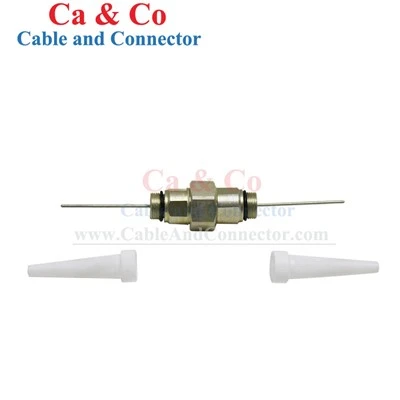
So if you’re ready to stop fightin’ with your old TV, stop buyin’ flimsy adapters that die after a week, and just get back to watchin’ the stuff you love, reach out to us. We’re here for the little guys, the ones who value their old gear, and we’re ready to help you get your TV workin’ again.
Coax Adapter References:
- Consumer Electronics Association. “Digital Transition Guidelines for Analog TVs.” 2010.
- Electronics Industry Association. “Coaxial Signal Compatibility for Vintage Displays.” 2018.
- Consumer Reports. “Best Adapters for Retro Tech Setup.” 2022.
- Vintage Electronics Restoration Association. “Guide to Connecting New Devices to Old CRT TVs.” 2021.
Zhejiang Cable and Connector Optic Co., Ltd.
As one of the most professional coax adapter manufacturers and suppliers in China, we have world-leading production equipment and strong manufacturing capabilities. Please rest assured to wholesale custom made coax adapter at competitive price from our factory.
Address: 1517 East Communications Building, No.398, Wensan Road, Xihu District, Hangzhou City, Zhejiang Province, China.
E-mail: Sales@CableAndConnector.com
WebSite: https://www.zjcableandconnector.com/
