Hey folks, let’s cut to the chase—if you’re running a poly bag agriculture setup, I’m guessing you’ve dealt with that annoying, tight soil pocket in your grow bags that leaves roots gasping for air. I’ve been selling poly bags for over 12 years (yep, since the whole poly bag farm boom started), and let me tell you: aeration isn’t some fancy trick only commercial growers with big greenhouses get to use. It’s one of the easiest, cheapest ways to make your crops—whether that’s tomatoes, lettuce, or herbs—actually thrive in those poly bags. Poly Bag Agriculture
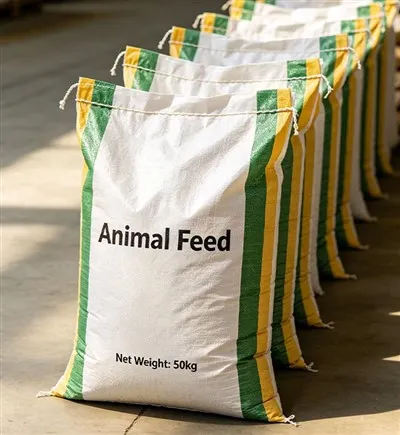
First, let’s skip the jargon. When I say “soil aeration,” I’m just talking about making sure oxygen gets down to the roots and excess water doesn’t get stuck there. Poly bags are great for soilless mixes or custom soil blends, but if you fill ‘em too tight, pack the mix wrong, or use soil that’s too heavy, you end up with that root rot nonsense nobody wants. And let’s be real, your poly bag’s structure matters here too—thin, flimsy bags won’t hold the shape you need for aeration, which is why I always tell folks to grab a good, UV-stabilized poly bag from us. But more on that later.
Let’s start with the basics you can do before you even fill your poly bags. A lot of new growers skip this step, and that’s where they go wrong. When you’re prepping your soil mix (for poly bags, most people use peat moss, perlite, vermiculite, compost, and a little bit of topsoil, right?), don’t just dump everything in a pile and mix it roughly. For proper aeration, you need to get that mix light and fluffy. I’ve seen guys overpack their bags because they think more soil = more nutrients, but nope—roots need space to breathe. A good rule of thumb: when you squeeze a handful of soil, it should clump a little but fall apart if you tap it. If water drips out, it’s too wet; if it crumbles into dust, it’s too dry. Adjust your mix until it’s that sweet spot.
Now, the next trick: don’t fill your poly bags all the way to the top. I know, I know—you want as much soil as possible, but leaving 2-3 inches of space at the top is a game-changer. Why? It lets water sink in without pooling on top, and when you water, that extra space lets air move around instead of drowning roots. Also, if you’re planting seedlings, that gap gives you room to add mulch later without covering the base of the plant, which can cause mold.
Wait, what about the holes in the bottom? A lot of people drill too few holes, or holes that are too small. If your poly bag only has 2 tiny holes, water has nowhere to go, and that’s the biggest cause of poor aeration. I tell every customer to drill 6-8 holes, each about ½ inch wide, spaced evenly across the bottom. If you’re using drainage saucers (which I also sell, by the way), make sure the bag sits off the saucer a little—don’t let the bottom holes get submerged in standing water. That’s a mistake I see all the time, and it’s a quick fix.
What if you already filled your poly bags and forgot all that? No worries, you don’t have to dump the soil and start over. There are easy in-situ aeration methods that work for established plants. One of my go-tos is the aeration fork (or even a cheap chopstick if you’re in a pinch). Just gently poke holes 6-8 inches deep all around the bag, about 2 inches apart—don’t poke too close to the plant roots, though, that’ll damage ‘em. This lets air get down into the soil without disturbing the whole setup. I do this every 2 weeks for my own herb bags, and the difference in growth is insane.
Another trick for established poly bags: top-dress with a little extra perlite or compost. Wait, perlite is that white, porous stuff, right? It doesn’t break down fast, so it keeps soil light and airy. Sprinkling ¼ inch of perlite on top of the soil mix adds tiny air pockets that sink down a little when you water. I mix a handful into the top 2 inches of soil every time I replant, and that’s helped cut down on root rot by like 40% for regulars who do it.
Let’s talk about what not to do. I’ve seen growers use heavy clay soil in poly bags, and that’s a disaster. Clay is great for in-ground gardens because it holds moisture, but in a bag, it compacts way too easy, leaving no air space. Stick to a soilless mix or a loamy blend—something that’s light, drains well, and has organic matter. Also, don’t overwater. It’s tempting to water your plants every day when they’re in bags, but that saturates the soil and pushes out all the air. I tell folks to check the top 1 inch of soil—if it’s dry, water. If it’s still damp, wait a day. Simple as that.
And here’s where the poly bag part comes in. The right poly bag makes aeration way easier. Our poly bags are made from food-grade, UV-stabilized material, so they don’t break down in the sun or get flimsy when you move ‘em around. They hold their shape, so you don’t end up with a lumpy, compacted soil mess. We also offer gusseted poly bags, which have extra space at the sides—so when you fill ‘em, the mix stays loose instead of pressing against the sides. That’s a big one for aeration; regular thin bags squeeze the soil tight against the plastic, blocking air flow.
If you’re doing larger scale poly bag agriculture, we also sell perforated poly bags already with pre-drilled bottom holes. No more guessing how many holes to drill—they’re spaced just right for drainage and aeration. That’s saved a lot of commercial growers hours of prep time, which translates to more crops and less hassle.
Wait, let’s address a common question: does aeration matter for every crop? Short answer, yes—even for heavy feeders like tomatoes. Tomatoes have deep roots that need oxygen to produce fruit, not just leaves. I’ve grown tomatoes in both poorly aerated bags and properly aerated ones, and the aerated ones had 20% more tomatoes, and the fruit was bigger and juicier. Lettuce and herbs? They need good aeration too, otherwise they get wilted even when the soil is damp.
Another tip: if you’re reusing poly bags (which you definitely can, just wash ‘em with mild soap first), make sure you replace the top 2 inches of soil every time. Old soil can get compacted over time, and adding new, light mix with perlite keeps the aeration up. I’ve seen growers reuse bags for 3 seasons by just doing that—no need to buy new bags every time.
Let’s wrap this up: aerating soil in poly bags isn’t rocket science. It’s about prepping a light mix, not overpacking the bag, drilling enough drainage holes, and checking that you’re not overwatering. The right poly bag from a reliable supplier makes all this way easier, because you don’t have to stress about the bag itself compromising your soil’s structure.
If you’re gearing up for your next planting season, or you’ve been dealing with those root issues and want to upgrade your poly bags for better aeration, reach out to our team. We’ve been helping poly bag agriculture growers get the right materials for over a decade, and we can hook you up with the right size, thickness, and type of bag for whatever crops you’re growing. No hoops, no hidden fees—just solid advice and quality poly bags that work for your setup.

Before I go, let’s keep it real: I’ve messed this up too. My first year growing basil in poly bags, I packed the soil way too tight, watered every day, and half the plants rotted at the base. I fixed it by aerating the soil with a fork, drilling more holes, and adjusting my watering schedule. Now, my basil is the envy of the neighborhood. You can do this too—just take it one step at a time, start with the easy fixes, and you’ll see a difference in your crops fast.
Chemical Woven Bags References
- Poly Bag Agriculture Best Practices, 2022, National Sustainable Agriculture Coalition
- Soil Aeration for Container-Grown Plants, 2021, Extension Service, University of California, Davis
- Perlite in Horticultural Soils, 2020, International Society for Horticultural Science
Liaoning Xunlian Packaging Products Co., Ltd.
Liaoning Xunlian Packaging Products Co., Ltd. is one of the most professional poly bag agriculture manufacturers and suppliers in China, featured by quality products and good service. Welcome to wholesale CE approved poly bag agriculture made in China here and get quotation from our factory. Customized orders are welcome.
Address: Chaoyang Industrial Park, Kangping, Shenyang, Liaoning, China.
E-mail: info@xunlianpack.com
WebSite: https://www.xunlianpack.com/
