Hey guys, Preservatives & Biocides
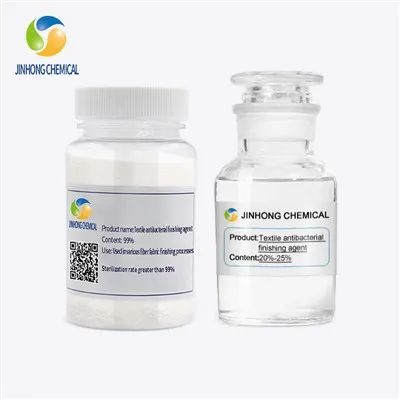
Let’s cut to the chase—if you’ve scrolled around environmental or public health groups lately, you’ve probably seen that hot take: “Biocides = antibiotic resistance.” As someone who’s been in the preservatives and biocides supply game for 12 years now, I’ve heard this claim so many times I almost rolled my eyes at first… until I dug into the actual data, not just the vague takes from people who confuse a surface disinfectant with an oral antibiotic. Today, I’m breaking this down straight, no jargon, no clickbait—just the real, messy science, and what it actually means for folks buying these products.
First off, let’s define terms because half the confusion here is from people using the same word for totally different stuff. Antibiotics are specific drugs that kill or stop bacteria inside your body—think amoxicillin for a sinus infection, vancomycin for a tough MRSA case. Biocides? They’re broad-spectrum chemicals designed to kill all kinds of microbes—bacteria, fungi, viruses, even algae—when you need to sanitize a surface, preserve a lotion, keep paint from molding, or disinfect a hospital room. Preservatives are actually a subset of biocides, the ones that stop microbes from growing in products that would otherwise go bad (like your shampoo or a food additive). Got it? Cool.
Now, the core claim tying these two together is this: some biocides, if they don’t kill 100% of bacteria, leave behind a tiny group of survivors that adapt, right? And if those survivors pick up genes that make them resistant to biocides, maybe those genes also work against antibiotics? That’s the “cross-resistance” scare, and it’s not totally made up—but it’s way more complicated than the headline makes it sound.
Let’s start with the real studies that sparked this whole conversation. Back in 2013, a big study in Nature looked at triclosan—wait, remember triclosan? It was in hand soap, toothpaste, all that stuff—before the FDA banned it in over-the-counter products because of those exact cross-resistance fears. The study found that some bacteria exposed to low levels of triclosan had mutations that made them resistant to both triclosan and certain antibiotics, like fluoroquinolones. But here’s the catch: triclosan is an old biocide, it’s not even used much anymore in consumer products (the ban did that), and it’s super easy for bacteria to build resistance to because of how it works.
But hold on—most biocides we supply aren’t triclosan, not even close. Modern biocides are designed to work in totally different ways, and their kill rate is way higher. For example, take our go-to industrial biocide for water treatment: it targets the cell wall of bacteria, so it bursts them open instantly. The kill rate for that? We’re talking 99.999% in 5 minutes of use. There’s almost no way a handful of survivors can adapt when the chemical is ripping their insides apart that fast. Compare that to triclosan, which works by blocking a single enzyme in bacteria—easy for a microbe to mutate that enzyme to avoid it, because it’s only one target. Modern biocides have multiple modes of action, so that kind of single-target mutation just doesn’t work.
Another big point: concentration matters, and this is where a lot of the bad science gets confusing. Most of the “biocides cause resistance” studies use tiny, unrealistic concentrations—way lower than what you’d ever use in a real product or a real disinfection job. Like, if you test biocide at 10 ppm (parts per million) instead of the 10,000 ppm you use to clean a hospital counter, of course you’ll get survivors. That’s not how any of this works. For context, the preservatives we use in lotion are at 0.1-0.5%—that’s 1,000 to 5,000 ppm—so it’s way above the level where bacteria can even think about surviving.
Wait, but what about when biocides get washed down the drain into the environment? That’s a real concern, right? Industrial runoff, household disinfectant going down the sink—all that ends up in rivers, lakes, soil. I get that, I’ve had conversations with environmental scientists about this. But again, the data here is mixed. A 2021 study in Environmental Science & Technology looked at river water near wastewater treatment plants and found that while some biocides were present, the levels were way too low to drive resistance. The only place where we’ve actually seen cross-resistance from environmental biocide exposure is in very specific, rare cases—like in soil near a factory dumping massive amounts of biocides, not in regular residential areas.
Let’s also not forget that antibiotics are a way bigger driver of antibiotic resistance (AR) than biocides. The World Health Organization has said over and over that 70% of antibiotic use is unnecessary—like when doctors prescribe them for viral colds, which antibiotics do nothing for. That’s the real AR problem. Biocides? They’re a tiny piece of the puzzle, if they even are a piece at all.
Now, let’s talk about the part that hits close to home for me: being a biocides and preservatives supplier. We don’t just sell chemicals out of a warehouse—we work with manufacturers, formulators, food producers, and hospital facilities to make sure their products are safe, effective, and compliant with all global regulations. And honestly? We’re the ones on the front lines pushing for safe use, not the ones cutting corners. For example, every biocide we sell has to be registered with the EPA, EU REACH, and all other major regulators. They have strict testing for resistance potential before they even hit the market.
Wait, but what about the bad apples? Sure, there are unregulated biocides out there—like the ones people sell online for “miracle disinfection” that have no testing, no registration, and way too high (or too low) concentrations. Those are the ones that could cause issues, because they’re not following any rules. But that’s not the standard, that’s the exception. Most reputable suppliers, including us, are obsessed with responsible use because we know our name is on the line.
Another common myth: preservatives in personal care products (shampoo, lotion, makeup) cause antibiotic resistance. Let’s bust that one right now. Preservatives are designed to stop bacteria from growing in your bottle of shampoo, which would make it go moldy and cause an infection if you use it. The amount used is tiny, they’re formulated to be stable at room temp, and they’re in a closed bottle—so they never get exposed to the kind of open, high-concentration environment that would let bacteria adapt. A 2019 study in the Journal of Applied Microbiology found that preservatives in cosmetic products have zero impact on antibiotic resistance genes in human skin bacteria. That’s a big one for anyone who’s worried about their skincare being risky.
But wait, I’m not here to say biocides are 100% risk-free. No chemical is. The key is proper use. For example, if you use a surface disinfectant at half the recommended concentration, that’s when you get survivors. Or if you let biocides build up in a system over time without changing them, that can lead to low-level exposure. That’s why we work with our clients to do regular testing, to make sure they’re using the right product at the right concentration, for the right amount of time. We also push for products that have anti-resistance modes built in—like combining two biocides that work on different bacterial targets, so there’s no way a microbe can mutate to beat both at once.
Let’s circle back to that original question: Do biocides contribute to antibiotic resistance? The short answer, based on the actual peer-reviewed data, is almost never when used correctly. The long answer is that a tiny number of old, single-target biocides might have a very small potential for cross-resistance in extreme, unrealistic scenarios, but modern, regulated biocides used as intended don’t drive AR at any meaningful level. In fact, using biocides properly to sanitize surfaces, preserve products, and control microbial growth is a key part of preventing infection in hospitals, food processing, and homes—so it’s actually helping fight AR, not causing it.
Now, for anyone reading this who works in a field that needs reliable, safe biocides and preservatives—manufacturing, healthcare, food & beverage, personal care—we get that navigating all the claims and regulations is a headache. You don’t have time to sift through 10 different studies to figure out which product is safe, compliant, and doesn’t have unnecessary resistance risks. That’s what we’re here for. We don’t cut corners on testing, we follow all global regulations, and we work with you to find the right solution for your specific needs, whether that’s a preservative for your new line of body lotion or an industrial biocide to keep your cooling tower free of mold and bacteria.
If you’re dealing with microbial control challenges, have questions about biocide safety or resistance potential for your application, or just want to talk through what products make sense for your operation, hit us up. No sales pitches, no jargon—just real answers from people who’ve been in this industry for years, and care about getting it right.
Antibacterial Masterbatch References:
- Scientific literature on biocides and antibiotic resistance, peer-reviewed studies, regulatory agency reports from EPA, EU ECHA, WHO.
- Studies on modern biocide modes of action and kill rates.
- Research on preservatives in personal care products and microbial resistance.
- Data on environmental biocide levels and resistance potential.
Hebei Jinhong Chemical Co., Ltd.
Hebei Jinhong Chemical Co., Ltd. is one of the most professional preservatives & biocides manufacturers and suppliers in China. With abundant experience, we warmly welcome you to wholesale high quality preservatives & biocides made in China here and get pricelist from our factory. For price consultation, contact us.
Address: North of Fazhan Road, East of Qingyuan Road, Nanbao Development Zone, Tangshan City, Hebei Province
E-mail: kevin@hbjhchemical.com
WebSite: https://www.hbjhchemical.com/
