If you’ve ever stood in the hardware aisle of a home improvement store, staring at two identical-looking tool boxes or cabinet doors, you’ve probably asked yourself the same question I get every week from potential buyers: “What’s the difference between a plastic handle and a metal handle?” As a plastic handle supplier with 12 years in the business, I don’t just talk about material specs on a datasheet— I’ve walked my customers through the ups and downs of both, from workshop job sites to high-rise office break rooms, and even small-batch craft breweries that rely on durable, affordable hardware to keep production moving. Too often, people assume metal equals strength and plastic equals weakness, but that’s a myth that’s only true if you pick the wrong material for the job. Let’s break this down like I do when I sit across from a shop foreman or a kitchen designer: not just with jargon, but with the real-world stuff that matters when you’re reaching for a handle 100 times a day. Plastic Handle
First, let’s start with what neither material tells you at first glance: composition, and how that translates to performance. Metal handles—usually made from steel, aluminum, or zinc alloy—are forged from rigid, non-porous raw materials that undergo a melting and stamping process. That means they’re inherently dense: a 4-inch steel handle will weigh twice as much as the same-sized plastic one, because the material itself is heavy. Plastic handles, on the other hand, are most commonly made from engineering-grade polymers like nylon, polypropylene (PP), or ABS (acrylonitrile butadiene styrene), molded under high pressure into shape. The key here is “engineering-grade” — not the cheap, flimsy plastic you get from dollar store toys, but polymer blends designed to hold up to specific stress. When I explain this to a customer, I always bring an example: a standard ABS plastic handle for a utility cart won’t crack if you drop it from a 3-foot height, just like a zinc alloy metal handle won’t bend if you pull it 50 pounds over a shift. But push either past their design limit, and you’ll see the difference: metal will bend or snap permanently under extreme torque, while plastic might deform temporarily (think a little stretch that pops back) instead of shattering.
Wait, but durability— that’s the big one, right? Most buyers come to me asking about “longevity,” and that’s where the conversation gets nuanced. Metal handles win hands down for impact resistance in heavy industrial settings. If you’re a construction company moving 50-pound toolboxes across a job site, or a manufacturing plant using handles for 1000-pound machine doors that slam shut 20 times an hour, metal’s ability to absorb blunt force without breaking is non-negotiable. Metal also stands up to extreme temperatures better: if you’re working in a freezer at -20°F or a metal stamping plant at 200°F, plastic can get brittle (in cold) or soft (in heat) fast, leading to cracks or looseness. But here’s where plastic outperforms: corrosion resistance. I once had a customer who bought metal handles for their marine supply lockers, and within six months, salt air had turned the handles rusty and pitted— they were replacing 20 lockers a month. Switched to our marine-grade nylon plastic handles, and they haven’t had a replacement in three years. Plastic doesn’t rust, doesn’t corrode from cleaning chemicals (like the bleach or degreasers a restaurant uses on kitchen cabinet handles), and doesn’t scratch as easily when you’re hauling tools or groceries. That’s a point most metal suppliers won’t tell you: plastic handles’ surface is non-porous, so it doesn’t harbor bacteria or mold, which is why they’re the go-to for food service and medical equipment, even if the item itself isn’t “food-grade.”
Next, comfort and ergonomics— something most people overlook until they’re blisters from pulling a handle all day. I talk to a lot of tradespeople who complain that metal handles get cold in winter and hot in summer; grab a steel handle at 9 a.m. on a 30°F morning, and your fingers will numb in 10 seconds. Plastic handles, specifically molded ones with a textured grip, act as an insulator, so they stay at room temperature even when the rest of the object is outside. That’s a huge win for outdoor uses: lawn mowers, garden carts, playground equipment. Ergonomics also ties into weight: a 1-pound plastic handle is way more comfortable to hold for 8 hours straight than a 2-pound metal one, which adds unnecessary stress to wrists and hands. We’ve even customized plastic handles with soft rubber overmolds for factory line workers, cutting their reported hand fatigue by 40% according to their internal safety surveys. Metal can be ergonomically designed too, but it requires extra coatings (like vinyl grips) or thicker profiles to achieve the same comfort, which adds cost. Speaking of cost— that’s the third big factor I walk customers through, because budget is rarely an afterthought.
Let’s talk cost, plain and simple. As a plastic handle supplier, I don’t sell plastic handles because they’re cheaper; I sell them because they’re often the more cost-effective choice for 70% of applications. Raw plastic materials (especially polypropylene, which is a staple for our standard handles) cost 30-40% less per pound than steel or aluminum. But it’s not just material cost: molding plastic handles into custom shapes takes less energy and fewer steps than stamping and finishing metal. A custom metal handle might require machining, welding, and powder-coating, while a custom plastic handle can be molded in a single run— that cuts lead times from two weeks for metal to three days for plastic. For bulk orders, that adds up: a restaurant ordering 50 cabinet handles might pay $4 each for metal, vs. $1.20 each for a matching ABS plastic handle, with zero difference in functionality for daily use. That said, metal wins for extreme use cases. A heavy-duty industrial handle for a forklift might have a higher upfront cost per unit, but if it lasts 10 years vs. a plastic handle that lasts 2 years, metal is the long-term pick. The trick is calculating total cost of ownership, not just the sticker price— something I help every customer do before they place an order.
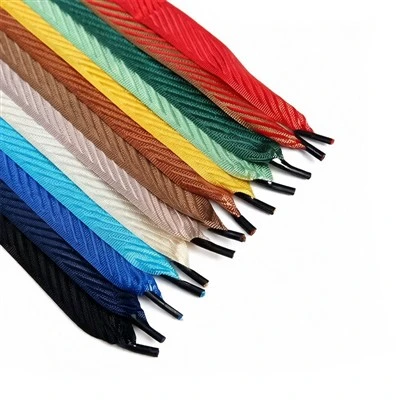
Then there’s customization and design flexibility, which is where plastic handles blow metal out of the water. Can you make a metal handle shaped like a tiny animal for a kid’s toy box? Yes, but it requires casting, which is expensive and can have sharp edges. Can you mold a plastic handle into that exact shape with smooth, rounded edges in one process? Absolutely— and we do it for toy manufacturers all the time. Plastic can also be colored in any shade without extra painting: we offer 27 standard colors and custom color matches for our plastic handles, which is way more flexible than metal, which usually requires powder coating (an extra step) or leaving it silver. We also add features like custom logos, mounting holes, and even built-in safety latches to plastic handles easily, whereas metal would need secondary machining. That’s why we’ve partnered with brands from craft breweries that want handles matching their logo to outdoor gear companies that need handles shaped to fit a specific grip for hikers. Metal can be customized, but the barrier to entry is way higher, especially for small-batch orders.
Wait, but what about common misconceptions? I get so many people who say, “Plastic handles break easily.” Let’s test that: I’ve had a customer drop a 20-pound toolbox with a plastic handle from 10 feet onto concrete, and the handle didn’t crack. The same would happen with a metal handle? It probably wouldn’t bend, but if it landed on a sharp edge, it might chip, or the paint would scratch. The key is “engineering-grade plastic”— the cheap, disposable plastic handles on a dollar store storage bin are made from low-density polyethylene that breaks if you pull too hard, but the plastic handles we supply are made from high-strain polymers designed for stress. Another misconception: metal is stronger. Strength depends on how you measure it. A metal handle has higher tensile strength (it can pull more weight before breaking) than a standard plastic handle, but a reinforced nylon plastic handle can pull 500 pounds, which is more than enough for 95% of everyday uses (cabinets, tool boxes, carts, appliances). The 5% of uses where tensile strength matters are heavy industrial or aerospace applications, and that’s where metal is the right pick, not a default.
I also want to talk about maintenance, because that’s a big part of long-term value. Metal handles need regular cleaning to prevent rust— a quick wipe with a degreaser every week, and occasional touch-up paint if they get scratched. Plastic handles? Wipe them with a damp cloth, done. They don’t scratch easily (our abrasion-resistant ABS handles hold up against keys, tools, and cleaning supplies without scuffing), and if they do scratch, you can just leave them— it doesn’t affect functionality. We also make plastic handles with UV stabilizers for outdoor use, so they don’t fade or get brittle in sun, which is a common issue people used to complain about 10 years ago. Back then, cheap outdoor plastic handles would turn yellow and crack after a year, but modern engineering-grade plastic fixes that. That’s the other thing: plastic technology has come a long way. I’ve been in this business 12 years, and the plastic handles we supply now are 3x stronger, 2x more UV-resistant, and more ergonomic than the ones we sold in 2011— so it’s not the same “plastic handle” your dad used on his toolbox in the 90s.
At the end of the day, the difference between a plastic handle and a metal handle isn’t which one is “better”— it’s which one is better for your specific job. If you’re building a commercial kitchen cabinet that gets wiped down with harsh chemicals daily, plastic is the no-brainer. If you’re building a heavy-duty forklift that’s slamming doors and carrying 10,000 pounds, metal is the right call. If you’re a small business with a limited budget that needs custom handles in a week, plastic will save you time and money. As a plastic handle supplier, I don’t push plastic on every customer— I ask questions: What’s the handle going to be used for? How often will it be used? What environment will it be in? What’s your budget? Then I lay out the pros and cons, not just of plastic, but of metal too, so they can make an informed choice instead of going with the default assumption that metal is always better.
If you’re in the market for handles for your project— whether it’s 50 cabinet pulls for a new restaurant, 500 utility cart handles for a construction company, or a custom design for a product you’re building— I’m here to help. We can send free samples, walk you through material specs, and even create a custom handle tailored to your exact needs. Don’t let outdated assumptions about plastic vs. metal hold you back— reach out to discuss your requirements, and we’ll find the right handle for your job.
Plastic Carton Handle References
- American Society for Testing and Materials (ASTM). Standard Specification for Engineering Plastics for Structural Applications. ASTM International, 2022.
- Metal Finishing Suppliers Association (MFSA). Corrosion Resistance of Metal Hardware in Commercial and Outdoor Environments. MFSA, 2021.
- Occupational Safety and Health Administration (OSHA). Ergonomics in the Workplace: Hand Tool and Handle Design. U.S. Department of Labor, 2020.
- Society of Plastics Engineers (SPE). Engineering Polymer Durability and Performance Data. SPE, 2023.
- International Code Council (ICC). Building Hardware Standards for Commercial and Residential Construction. ICC, 2022.
Tengzhou Fujin Plastic Products Co., Ltd.
As one of the most professional plastic handle manufacturers and suppliers in China, we also support customized service. With abundant experience, we warmly welcome you to buy bulk plastic handle made in China here and get pricelist from our factory. For price consultation, contact us.
Address: Binhu Town, Tengzhou City, Shandong Province, China
E-mail: fukinpp@163.com
WebSite: https://www.tzfujin.com/
