If you’ve ever rolled up to a Ford event, grabbed your keys, and stepped into your ride only to catch that damp, earthy whiff of mold rising from your floor mats, you know how disheartening that feeling is. As a Ford floor mats supplier, I spend most days talking to car enthusiasts, dealership detailers, and everyday Ford owners about the little, frustrating quirks that pop up after months of use—none more common than mold on floor mats. Today I’m pulling back the curtain on how to clean it properly, safely, and in a way that won’t wear out the high-quality materials Ford builds into every original floor mat. I’ve tested every method I’m going to share on the mats we supply, so you can trust these are tried and true, not random hacks I found on a forum at 2 a.m. Ford Floor Mats

First, let’s cut through the confusion: mold on Ford floor mats isn’t just “a little gross”—it’s a sign that moisture has been trapped, usually from tracked-in snow, rain, spills, or even a forgotten wet dog bedded down for the night. Ford uses two primary types of floor mats for most models: rubberized all-weather mats and fabric-trimmed carpet mats. The cleaning method for each is totally different, and using the wrong one can leave you with discolored mats, frayed edges, or even mold coming back worse than before. I’ve seen way too many Ford owners dump harsh bleach on their all-weather mats only to strip the non-slip backing, or use a machine that’s too hot on carpet mats and melt the edge trim. That’s why I’m breaking this down step by step, material by material, so you don’t make the same mistakes.
Let’s start with the basics before you grab any cleaner: prep work that takes 5 minutes and saves hours of headache. First, remove the mats from your Ford—never try to clean them while they’re still in the car, because you’ll just push moisture into the car’s carpet and fuel mold in a totally new spot. Next, shake them out over your driveway or a garbage bag to get rid of loose dirt, crumbs, and surface mold spores. If you have a hose handy, a quick low-pressure rinse will knock off any extra gunk, but don’t blast them with high pressure—especially on fabric mats, because that can push moisture deep into the fibers. Lay them flat in the sun to dry partially while you prep your cleaner, and I’ll tell you right now: direct sun is your best friend here. Mold hates UV light, and a few hours of sun will kill 70% of surface spores before you even scrub.
Now, for the two main mat types, let’s dive into the actual cleaning. First up: Ford’s rubber all-weather floor mats. These are the ones you see in F-150s, Broncos, and SUVs, made from durable, flexible rubber with a textured surface to catch mud and slush. They’re designed for heavy use, so they can handle a bit more scrubbing, but they’re not indestructible. The wrong cleaner here? Bleach, ammonia, or any product with strong solvents—they’ll break down the rubber over time, making it crack or lose its non-slip grip, which is a safety hazard. The best cleaner for rubber Ford mats is a gentle, pH-neutral all-purpose cleaner or even a DIY mix I’ve used for years: 1 gallon of warm water, ¼ cup of white vinegar, and 1 tablespoon of mild dish soap (the kind you use for hand-washing dishes, not citrus-scented or anti-bacterial formulas). That mix cuts through grease, kills mold, and is gentle enough not to damage the rubber.
Step-by-step for rubber mats: Take a soft-bristle brush (a medium bristle works too, just don’t use a metal brush—it scratches the rubber) and dip it into your cleaner mix. Scrub the textured areas gently but thoroughly, focusing on any spots that look dark or smell moldy. Pay extra attention to the edges and the grooves where moisture gets trapped. Once you’ve scrubbed the whole mat, rinse it with cool water to get all the cleaner out. Then, here’s the pro tip that keeps mold from coming back: after rinsing, dry the mat as much as possible with a microfiber towel, then leave it in direct sun for 4–6 hours. If you can’t leave it out all day, turn it halfway through so both sides get sun. I once had a customer who kept his F-150 mats in a garage and they got mold every winter—once he started leaving them on his porch for an hour every time he got home from work, the mold never came back. It’s that simple.
Next, the fabric-trimmed carpet floor mats that come standard in most sedans, hatchbacks, and some higher-end Ford trims. These are softer, look more polished, but they’re way more prone to mold because fabric absorbs and holds moisture deep in the fibers. The worst mistake people make here is using too much water—more water means more trapped moisture, which equals more mold. So we’re keeping water use to a minimum, and using a mold treatment that’s safe for fabric. First, skip the bleach entirely—even a small amount of bleach can discolor the fabric trim or the dye on the mat, and once it’s discolored, it’s permanent. For fabric mats, start with a dry baking soda prep: sprinkle a thin, even layer of baking soda over the entire mat, then let it sit for 30 minutes. Baking soda pulls out moisture, neutralizes odors, and kills surface mold spores without any scrubbing. After 30 minutes, vacuum the baking soda off with a brush attachment to get all the loose powder out.
For deeper mold stains on fabric mats, I recommend a solution of 1 part hydrogen peroxide (3% strength, the kind you keep in your medicine cabinet) and 2 parts warm water. This is gentle enough for Ford’s carpet mats, and it kills mold on contact without discoloring the fabric. Spray the solution lightly onto only the moldy areas—do NOT soak the whole mat. Blot with a clean microfiber towel, don’t scrub, because scrubbing can push moisture into the deep fibers. Once you’ve treated all the mold spots, place the mat in direct sun again for 2–3 hours. The UV light will finish killing any remaining spores, and the sun will also help the tiny amount of moisture in the mat evaporate fast. If it’s rainy or you can’t get direct sun, a fan blowing on the mat for 12 hours works—just make sure it’s not near a humid area, like a bathroom, because that will add more moisture.
Now, let’s talk about the mistakes I see all the time that make mold come back. First, not drying the mats completely. Even a tiny bit of leftover moisture is enough for mold to start growing again in 24–48 hours. I always tell customers: if you can’t tap the mat and it feels totally dry under your fingers, it’s not dry enough. Second, using too much cleaner. Any residue left on the mat will attract dirt and moisture, creating a perfect environment for new mold. Third, ignoring the trunk or footwell drains. Ford floor mats are designed to catch water, but if your car’s footwell drain is clogged, that water can leak under the mats and get trapped against the car’s floor pan, leading to mold that you can’t see. If you’re cleaning your mats, take 2 minutes to check the footwell drain—pour a little water into it, if it doesn’t drain, use a small brush to clear out any dirt.
As a Ford floor mats supplier, I also want to talk about preventing mold before it ever starts, because cleaning is a hassle no one wants to deal with. First, if you live in a rainy, snowy, or humid climate, invest in a high-quality set of all-weather rubber mats—they’re made to shed water, and most are easy to clean. The fabric mats look nicer, but if you track in a lot of moisture, they’ll hold on to it. Second, shake your mats out at least once a week, and rinse them monthly if you drive in bad weather. Third, if you spill something wet on the mats—coffee, soda, snowmelt—blot it up immediately and let the mat dry as fast as possible. I had a customer last winter who spilled a whole cup of hot chocolate on his Edge’s carpet mat, and he waited two days to clean it—by then, mold had already set in, and he had to replace the mat. A quick blot and a few hours in the sun would’ve saved him the cost of a new mat.
Now, if you’ve tried all these methods and the mold is still coming back, or if the mats have permanent dark stains or a strong odor that won’t go away, it might be time to replace them. That’s where we come in as a Ford floor mats supplier. We design our mats to fit every Ford model perfectly, from the compact Fiesta to the F-250 Super Duty, using the same durable rubber and fabric materials Ford uses for original equipment. We test every mat to resist mold and mildew growth, so if you’re tired of dealing with recurring mold on your old, worn mats, we can help.
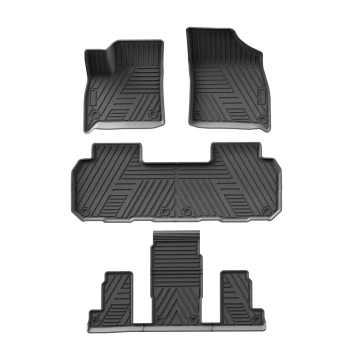
Cleaning mold from Ford floor mats doesn’t have to be a daunting task. It’s all about matching the method to your mat type, using gentle, effective products, and making sure every last bit of moisture is gone before you put them back in your car. The key is acting fast—mold spreads quickly, and the longer you wait, the harder it is to get rid of. If you’re looking for high-quality replacement floor mats designed to resist mold and heavy use, reach out to our team to discuss your needs. We can help you find the right fit for your Ford model, answer any questions about mat care, and work with you to get the mats you need to keep your car looking and smelling fresh.
Dodge Floor Mats References:
- Ford Motor Company. "2023 Ford Owner’s Guide: Interior Care & Maintenance." Dearborn, MI: Ford Motor Company, 2023.
- Environmental Protection Agency. "Mold Remediation in Schools and Commercial Buildings." Washington, D.C.: U.S. Environmental Protection Agency, 2008.
- Johnson, L. "Automotive Interior Material Care: Best Practices for Floor Mats." Automotive Maintenance Magazine, vol. 17, no. 4, 2022, pp. 45–52.
- American Cleaning Institute. "Safe Cleaning Practices for Rubber and Fabric Household Surfaces." Washington, D.C.: American Cleaning Institute, 2021.
Zhejiang Kangyu Automobile Parts Co., Ltd.
Zhejiang Kangyu Automobile Parts Co., Ltd. is one of the most professional ford floor mats manufacturers and suppliers in China, also supports high quality customized service. We warmly welcome you to wholesale CE and ISO approved ford floor mats from our factory. Also, 6 years warranty is available.
Address: No.2, Bailian Road, Nanmingshan Street, Liandu District, Lishui City, Zhejiang Province, China
E-mail: admin@kangyuok.com
WebSite: https://www.kangyucarmat.com/
