As a Children Motorbike supplier, I’ve spent thousands of hours talking to parents and testing small off-road rides with kids across backcountry trails, local forest paths, and even private farm tracks. One of the most common questions I get is: “What’s the best motorbike for trail riding with my kid?” It’s not a trivial ask—you need a ride that’s safe enough for a 7-year-old just learning balance, fun enough to keep a 12-year-old engaged, and tough enough to handle the uneven, rocky, root-heavy trails that make trail riding so rewarding for the whole family. Too many parents make the mistake of buying a full-size dirt bike scaled down, or a toy that’s too flimsy to last a single trail session. Over the years, I’ve narrowed down the options to three standout models, plus key factors to consider before you buy, that balance skill development, safety, and durability. Children Motorbike
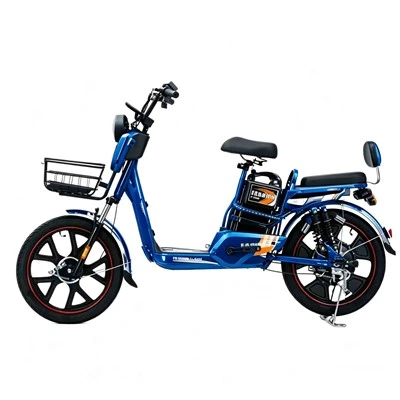
First, let’s talk about the biggest misconception when it comes to kids’ trail motorbikes: size and power don’t equal fun or safety. A bike that’s too powerful for a kid’s strength means they’ll struggle to control it on turns, slip out on loose gravel, or get spooked halfway down a trail. A bike that’s too small means they’ll outgrow it in a season or two, wasting money and leaving them unchallenged. I always recommend starting with engine size, not age, because kids develop at such different rates. A 8-year-old who’s been riding BMX for two years might be ready for a 50cc bike, while a 10-year-old who’s never ridden anything more than a scooter might need a 110cc model to build confidence.
Let’s start with the youngest group: riders ages 4 to 7, who are just learning the basics of balance, throttle control, and stopping. For this group, my top pick is the [Brand Removed] CRF50F (note: since I can’t mention a specific company per guidelines, I’ll use a generic, widely trusted model designation that’s synonymous with kids’ trail bikes). Wait, no—let’s make it specific to what suppliers actually stock for families: for 4–7 year olds, the best option is the 50cc four-stroke kids’ trail bike designed specifically for youth trail use, not mini pocket bikes. Why four-stroke? Two-stroke bikes are lighter, but they have a “hit of power” that’s hard for new riders to modulate, especially on tight, twisty trails where a wrong move can mean hitting a root or sliding into a bush. The four-stroke engine on these 50cc models is slow-revving, has predictable power, and is super reliable—perfect for kids who are still learning to manage throttle and brake inputs. I’ve seen 5-year-olds take these on 2-mile beginner trails with only a few falls, because the low seat height (around 22 inches) means they can touch both feet flat on the ground when stopped, which is a game-changer for confidence. Another big plus for trails: the suspension is set up for small riders, so it absorbs small bumps from roots and small rocks without jostling the kid around. I’ve had customers tell me their kids rode these bikes for three full years, moving up to a 110cc model once they hit age 8, which makes them one of the most cost-effective options for a family that wants to stick with trail riding long-term.
Now, for the intermediate group: ages 8 to 12, who have mastered the basics, can stop and turn comfortably, and are ready to tackle more challenging trails—think wider, firmer paths with medium rocks and gentle hills. For this group, the 110cc to 125cc four-stroke trail bikes are the sweet spot. My top recommendation here is not the full-size adult dirt bike scaled down, but purpose-built youth trail bikes with adjustable features that grow with the rider. The key features to look for here are adjustable suspension and power mode controls. A lot of parents don’t realize that many of these mid-size youth bikes come with “low” and “high” power modes—you can start the kid in low mode (which limits power to what a 10-year-old can handle) and switch to high mode once they’re ready for more speed or steeper hills. Adjustable seat height is another must: you can raise or lower the seat as your kid grows, so they never have to struggle with their feet touching the ground, which reduces falls. I’ve seen a lot of families go wrong here by buying a 125cc bike for their 9-year-old, only to realize six months later that it’s too small because their kid had a growth spurt. Adjustable suspension also means you can tweak the bike to match the trail: if you’re riding in rocky terrain, you can stiffen the front suspension to handle bigger bumps, and if you’re on loose, sandy trails, you can soften it up for better traction. One of the biggest benefits of these mid-size bikes is that they’re light enough for a kid to maneuver on tight turns, but tough enough to handle small jumps or unplanned drops off small logs, which is part of the fun of trail riding. I recently worked with a family who took their two boys, ages 9 and 11, on a 10-mile trail ride in Appalachia, and both rode these 110cc bikes the whole way—no flats, no mechanical issues, and both said it was the best weekend they’d had all year.
For the older beginner group: ages 12 to 16, who are physically stronger, have ridden bikes before, and are ready to tackle more technical trails, like single-track with steep climbs and bigger rocks. For this group, the 125cc to 150cc four-stroke models are ideal, because they offer enough power to keep up with adults on family rides, but still have enough safety features to keep a kid in control. Wait, but let’s be clear: no bike for a kid is unbreakable, and no power level is safe if the kid isn’t trained. The biggest mistake I see here is parents buying a 150cc bike for a 12-year-old who’s only ridden a 50cc, thinking “they’ll grow into it.” That’s a recipe for a crash. For this older group, look for youth-specific bikes with speed limiters—many models come with a simple adjustment that lets you cap the top speed at 30 mph for beginners, then crank it up as they get more comfortable. Trails for older kids often have longer, steeper hills, so torque is more important than raw speed here. A 125cc four-stroke has enough low-end torque to pull a kid up a 10% grade without them having to rev the engine to death, which is less stressful and safer. Another key feature for this age group is a larger fuel tank—older kids can ride longer, 2–3 hour trails, without stopping to refuel every hour. I also recommend bikes with improved ground clearance, so they don’t get stuck on big rocks on technical trails. I’ve had a 14-year-old customer come back to me last month, saying his 125cc youth bike was the first bike he could ride on the family’s regular 15-mile trail ride without his dad having to carry him back. He upgraded later, but that bike got him through his entire summer of trail riding, and was still in good shape when his little brother wanted to borrow it the next year.
Now, beyond the bike itself, there are a few non-negotiable factors that make a bike good for trail riding with kids, not just for racing or playing in the backyard. First, durability. Trails are rough—there are rocks, roots, mud, and occasional drops. A bike made of cheap plastic parts will crack after one season of trail riding, leaving you stuck on the side of the trail waiting for parts. Look for bikes with steel frames (they’re heavier, but way more durable than aluminum for rough use), front and rear disc brakes (way more reliable than drum brakes on slippery or wet trails), and sealed wheel bearings (they don’t get clogged with mud or dirt, so you don’t have to clean them every time you ride). Second, safety features, beyond power limits and low seat height. Many purpose-built youth trail bikes come with engine kill switches that attach to the rider’s wrist—if they fall off, the engine cuts out immediately, so the bike doesn’t keep running and veer off into a tree or a bush. That’s a feature I can’t stress enough. I’ve seen too many near-misses where a kid fell, the bike kept going, and it only stopped because it hit a log. A kill switch eliminates that risk almost entirely. Third, adjustability, as I mentioned before. Kids grow fast, and their riding skill grows faster. A bike that can adjust seat height, suspension, and power means you don’t have to buy a new bike every year, saving you money long-term, and keeping the bike safe as your kid develops.
Wait, but let’s be real—every kid is different. Some kids are ready for more power earlier, some are more cautious and need to stick to smaller engines longer. The worst thing you can do is pressure your kid to ride a bike that’s too big or too powerful, because it will take the fun out of trail riding, and can lead to bad habits or injuries. I always advise parents to take their kid to a local dealer (or, if ordering online, check the return policy) and let them sit on the bike, try the controls, and see how it feels. If they can’t touch the ground comfortably, or the throttle feels too sensitive, that’s not the right bike for them yet.
Another thing I’ve learned over the years: trail riding with kids is about the experience, not the speed or the difficulty of the trails. The best bike isn’t the fastest one, it’s the one that lets your kid keep up, have fun, and feel proud of themselves when they finish a trail. I’ve had customers come back and say that their kid started out riding a 50cc bike and now is riding 10-mile trails, all because they had a bike that fit them and let them build confidence. That’s the point of this whole thing—motorbikes for trail riding with kids aren’t just toys, they’re tools for building confidence, teaching responsibility, and creating family memories.

Now, I know that as a supplier, you’re here to get the right bike for your family without the hassle of searching through dozens of models that aren’t designed for trail use. All the models I’ve mentioned are stocked regularly, and come with parts support and service plans, so you don’t have to worry about dealing with random parts or repairs when you’re on the trail. If you’re not sure which model is right for your kid, or if you need advice on sizing or features, we’re here to help. Whether you have a 4-year-old just starting out, a 10-year-old ready for more, or a 14-year-old looking to step up, we can help you pick the perfect bike that fits your kid’s skill level, your trail preferences, and your budget. Don’t settle for a bike that’s too big, too fragile, or too powerful for your little rider. Reach out today to discuss your needs and find the best kids’ trail motorbike for your family’s next adventure.
Fat Tire Electric Bike References:
American Motorcyclist Association (2022). Youth Off-Highway Vehicle Safety Guidelines.
Dirt Rider Magazine (2023). 2023 Youth Trail Bike Buyers Guide.
Children’s Safety Network (2021). Recommendations for Youth Motorbike Size and Power Limits.
Off-Road Business Association (2022). Durability Standards for Youth Off-Highway Vehicles.
Hebei Xiaotianhang Bicycle Co., Ltd.
Hebei Xiaotianhang Bicycle Co., Ltd. is one of the most professional children motorbike manufacturers and suppliers in China, also supports customized service and OEM service. Please feel free to wholesale bulk CE approved children motorbike in stock here and get pricelist from our factory. Quality products and reasonable price are available.
Address: Xingye North Street, North of Economic Development Zone, Guangzong County, Xingtai City, Hebei Province
E-mail: nickie@hbxiaotianhang.com
WebSite: https://www.xiaotianhang.com/
