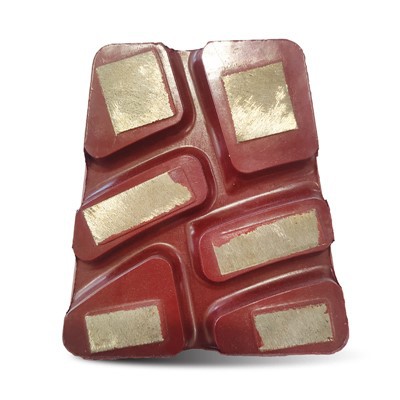
As a supplier of Resin Fickert Abrasive, I’ve witnessed firsthand how the bonding strength of this remarkable material can significantly influence its performance. In this blog, I’ll delve into the science behind bonding strength, explore how it impacts the abrasive’s functionality, and discuss why it’s a critical factor for anyone in need of high-quality abrasives. Resin Fickert Abrasive
Understanding Resin Fickert Abrasive
Resin Fickert Abrasive is a versatile and widely used material in various industries, including metalworking, woodworking, and automotive manufacturing. It consists of abrasive grains bonded together by a resin matrix, which provides the necessary support and structure for the grains to perform their cutting and grinding tasks effectively. The quality of the bonding strength is what sets apart different grades of Resin Fickert Abrasive and determines its overall performance.
The Science of Bonding Strength
The bonding strength of Resin Fickert Abrasive is primarily determined by the type and quality of the resin used, as well as the manufacturing process. The resin acts as a binder, holding the abrasive grains in place and providing the necessary cohesion for the material to function as a single unit. A strong bond is essential for ensuring that the abrasive grains remain firmly attached to the matrix, even under high pressure and stress during cutting and grinding operations.
There are several factors that can affect the bonding strength of Resin Fickert Abrasive. One of the most important is the chemical composition of the resin. Different resins have different properties, such as hardness, flexibility, and heat resistance, which can all impact the bonding strength. For example, a hard resin may provide better support for the abrasive grains, but it may also be more brittle and prone to cracking under stress. On the other hand, a flexible resin may be more resistant to impact, but it may not hold the grains as tightly, resulting in a lower cutting efficiency.
Another factor that can influence the bonding strength is the manufacturing process. The way the resin and abrasive grains are mixed, molded, and cured can all affect the final properties of the material. For example, if the resin is not properly mixed with the abrasive grains, it may not form a strong bond, resulting in a weak and ineffective abrasive. Similarly, if the curing process is not carried out correctly, the resin may not fully harden, leading to a loss of bonding strength over time.
Impact of Bonding Strength on Performance
The bonding strength of Resin Fickert Abrasive has a profound impact on its performance in a variety of applications. Here are some of the key ways in which bonding strength can affect the abrasive’s functionality:
Cutting Efficiency
A strong bond between the abrasive grains and the resin matrix is essential for achieving high cutting efficiency. When the bond is weak, the abrasive grains may become loose or fall out of the matrix during cutting, resulting in a decrease in cutting performance. On the other hand, a strong bond ensures that the grains remain firmly in place, allowing them to effectively cut through the material without being dislodged.
Surface Finish
The bonding strength of Resin Fickert Abrasive also plays a crucial role in determining the surface finish of the workpiece. A weak bond can cause the abrasive grains to leave behind scratches or marks on the surface, resulting in a rough and uneven finish. In contrast, a strong bond ensures that the grains are held in place, allowing for a smoother and more consistent surface finish.
Durability
The durability of Resin Fickert Abrasive is directly related to its bonding strength. A strong bond helps to prevent the abrasive grains from wearing down or breaking off prematurely, extending the lifespan of the abrasive. This not only reduces the need for frequent replacements but also improves the overall cost-effectiveness of the abrasive.
Heat Resistance
During cutting and grinding operations, a significant amount of heat is generated. A high-quality bond with good heat resistance is essential for preventing the resin from melting or degrading under high temperatures. This helps to maintain the integrity of the abrasive and ensures that it can continue to perform effectively even under extreme conditions.
Choosing the Right Bonding Strength
Selecting the appropriate bonding strength for your specific application is crucial for achieving optimal performance. Here are some factors to consider when choosing the right resin Fickert Abrasive:
Material Hardness
The hardness of the material being cut or ground is an important consideration when choosing the bonding strength. For harder materials, a stronger bond is typically required to ensure that the abrasive grains can withstand the higher forces and pressures involved. Conversely, for softer materials, a weaker bond may be sufficient, as it allows the grains to be more easily worn away and replaced.
Cutting Speed and Pressure
The cutting speed and pressure used in your application can also affect the bonding strength requirements. Higher cutting speeds and pressures generally require a stronger bond to prevent the abrasive grains from being dislodged. On the other hand, lower cutting speeds and pressures may allow for a weaker bond, as the forces involved are less severe.
Finish Requirements
The desired surface finish of the workpiece is another important factor to consider. If a smooth and polished finish is required, a stronger bond may be necessary to ensure that the abrasive grains can produce a consistent and uniform surface. However, if a rougher finish is acceptable, a weaker bond may be sufficient, as it allows the grains to be more easily worn away and replaced.
Conclusion

In conclusion, the bonding strength of Resin Fickert Abrasive is a critical factor that can significantly impact its performance in a variety of applications. A strong bond ensures high cutting efficiency, a smooth surface finish, long durability, and good heat resistance. By understanding the science behind bonding strength and choosing the right abrasive for your specific needs, you can achieve optimal results and improve the overall productivity of your operations.
Buff Frankfurt and Classical Abrasive If you’re in the market for high-quality Resin Fickert Abrasive, I encourage you to reach out to discuss your specific requirements. Our team of experts can help you select the right abrasive for your application and provide you with the support and guidance you need to ensure its successful implementation. Don’t hesitate to contact us to start a conversation about how we can meet your abrasive needs.
References
- "Abrasive Technology Handbook", ASM International
- "Principles of Abrasive Machining", CRC Press
- "Modern Abrasives and Their Applications", Woodhead Publishing
Quanzhou Cheefung New Materials Co., Ltd.
As one of the most experienced resin fickert abrasive enterprises in China, we are able to meet the needs of the majority of our customers. Please feel free to wholesale advanced resin fickert abrasive made in China here from our factory. For price consultation, contact us.
Address: Jinshan Community, Licheng District, Quanzhou City, Fujian, China
E-mail: info@prostonetools.com
WebSite: https://www.prostonetools.com/
