Hey there! I’m a supplier of air suction separators, and I often get asked if these nifty machines can be used to separate different sizes of sand. Well, let’s dive right into it and explore this topic in detail. Air Suction Separator
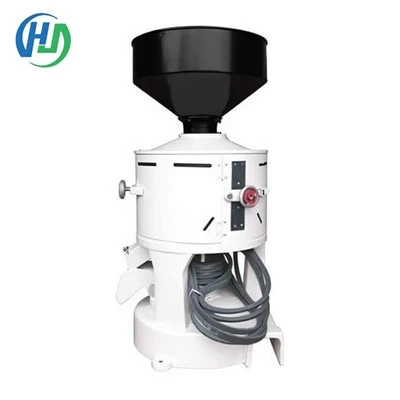
First off, let’s talk a bit about what an air suction separator is. In a nutshell, it’s a machine that uses air flow to separate materials based on their physical properties, like size, shape, and density. The basic principle behind it is pretty simple. You have a stream of air that passes through a mixture of materials. Lighter and smaller particles are more easily carried by the air, while heavier and larger ones tend to fall or stay behind.
Now, when it comes to sand, it’s a common material used in a whole bunch of industries, like construction, glass – making, and foundries. Different applications require different sizes of sand. For example, in the construction of concrete, you need a well – graded mix of sand particles to ensure proper workability and strength. Finer sand is often used for finishing touches, while coarser sand provides better stability.
So, can an air suction separator do the job of separating different sizes of sand? The answer is a big yes! And here’s why.
How Air Suction Separators Work for Sand Separation
Air suction separators can take advantage of the differences in size and mass between sand particles. When the sand mixture is fed into the separator, the high – velocity air stream picks up the smaller and lighter sand grains. These are then carried along with the air flow and collected in a separate chamber.
The larger and heavier sand particles, on the other hand, are less affected by the air flow. They either fall directly through the separator due to gravity or are pushed to a different area by the air – induced forces. This way, you end up with distinct fractions of sand based on their particle size.
Advantages of Using Air Suction Separators for Sand Separation
- Efficiency: These separators can process large volumes of sand in a relatively short time. They’re designed to work continuously, which means you can keep up with high – demand production schedules. For example, in a large – scale construction project where tons of sand are needed daily, an air suction separator can quickly and efficiently separate the sand to meet the requirements.
- Precision: Air suction separators can be adjusted to target specific size ranges of sand. You can fine – tune the air flow rate, the size of the inlets and outlets, and other parameters to get the exact separation you need. This precision is crucial in industries where the quality of the sand directly affects the quality of the final product.
- Low Maintenance: They’re generally quite durable and require minimal maintenance. There are fewer moving parts compared to some other types of separating equipment, which reduces the risk of breakdowns and the need for frequent repairs. This saves both time and money in the long run.
Factors Affecting Sand Separation with Air Suction Separators
Of course, there are a few things that can affect how well an air suction separator works for sand separation.
- Initial Sand Mix: The composition of the sand mixture you start with matters. If the sand has a wide range of particle sizes and a lot of fine dust, it might be a bit more challenging to get a perfect separation. You may need to do some pre – processing, like screening, to remove the larger debris and excessive dust before using the air suction separator.
- Moisture Content: Moisture in the sand can cause the particles to clump together. This makes it harder for the air to separate them based on size. So, it’s important to ensure that the sand has a relatively low moisture content. In some cases, you may need to dry the sand before passing it through the separator.
- Air Flow Characteristics: The speed, direction, and uniformity of the air flow are critical. If the air flow is too weak, it may not be able to carry the smaller sand particles effectively. On the other hand, if it’s too strong, it could blow larger particles along with the smaller ones, leading to an imprecise separation.
Real – World Applications and Success Stories
I’ve seen my air suction separators in action in a number of sand – related operations. In a glass – manufacturing plant, they were able to separate the fine sand needed for high – quality glass production. By removing the larger and coarser particles, they improved the clarity and strength of the glass they made.
In a construction aggregate facility, the separator was used to separate the sand for different types of concrete mixes. This led to more consistent concrete quality, which in turn reduced the number of construction defects and improved the overall performance of the structures.
Comparing with Other Separation Methods
There are other methods for separating sand, like screening and sedimentation. Screening involves passing the sand through a series of mesh screens with different hole sizes. While it’s a simple and commonly used method, it can be time – consuming for large volumes of sand and may not be as effective for very fine particles.
Sedimentation relies on the principle that heavier particles settle faster in a liquid. However, it requires a large amount of water and a significant amount of time for the separation to occur. Plus, dealing with the water after the separation can be a hassle.
In comparison, air suction separators offer a more efficient and flexible solution. They can handle a wide range of sand types and sizes without the need for water, and they can be easily integrated into existing production lines.
Tips for Optimal Sand Separation
If you’re planning to use an air suction separator for sand separation, here are a few tips:
- Regularly Check and Adjust: Monitor the separator’s performance regularly and adjust the air flow and other settings as needed. This will help you maintain the desired level of separation.
- Keep it Clean: Make sure to clean the separator periodically to prevent the build – up of sand particles, which can affect its efficiency.
- Train Your Staff: Proper operation is crucial. Train your employees on how to use the separator correctly, including safety procedures and maintenance tasks.
Conclusion
So, to sum it all up, air suction separators are definitely a viable option for separating different sizes of sand. They offer a number of advantages in terms of efficiency, precision, and low maintenance. With proper consideration of the factors that affect separation and a bit of know – how, you can achieve great results.
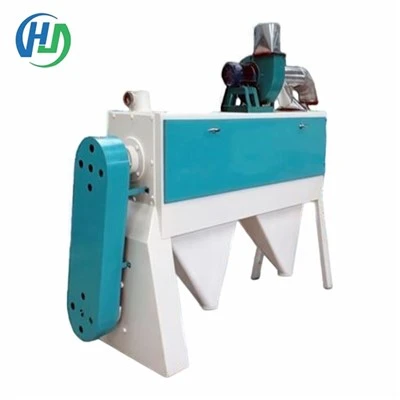
If you’re in the market for an air suction separator for your sand – related operation, I’d love to have a chat with you. Whether you’re a small – scale business or a large industrial facility, I can help you find the right separator for your needs. Contact me, and we can start discussing how we can improve your sand separation process.
Flour Processing Equipment References
- Smith, J. (2018). Principles of Material Separation. Ameena Publishing.
- Jones, R. (2020). Industrial Applications of Air – Based Separation Technologies. Thompson Media Group.
Henan Huinong Machinery Co., Ltd.
Henan Huinong Machinery Co., Ltd. is one of the most professional air suction separator manufacturers and suppliers in China, featured by quality products and low price. Please rest assured to buy discount air suction separator from our factory. We also accept customized orders.
Address: No. 6, Northeast Corner of the Intersection of Renmin Road and Zhujiang Road, New District, Huaxian County, Henan Province
E-mail: frank.tang@huinongmachinery.com
WebSite: https://www.huinongmachinery.com/
