As a seasoned supplier in the inkjet canvas market, I’ve witnessed the ever – evolving landscape of digital file formats and their compatibility with inkjet canvas printing. The right file format can significantly impact the final output, from color accuracy to sharpness and overall print quality. In this blog, I’ll delve into the digital file formats that are most compatible with inkjet canvas printing, providing you with the insights you need to make the best choices for your printing projects. Inkjet Canvas
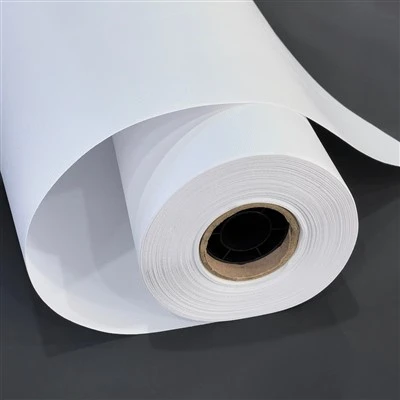
Understanding the Basics of Inkjet Canvas Printing
Before we jump into the file formats, it’s crucial to understand how inkjet canvas printing works. Inkjet printers deposit tiny droplets of ink onto the canvas surface to create an image. The quality of the print depends on several factors, including the printer’s resolution, the type of ink used, and the quality of the digital file. A high – quality file with the correct format ensures that the printer can accurately reproduce the colors, details, and textures of the original image.
Commonly Compatible Digital File Formats
1. JPEG (Joint Photographic Experts Group)
JPEG is one of the most widely used file formats in the world. It’s a compressed format, which means it reduces the file size by sacrificing some image quality. However, for inkjet canvas printing, a properly compressed JPEG can still yield excellent results.
JPEG uses a lossy compression algorithm, which means that each time you save the file, some data is lost. To maintain good print quality, it’s recommended to use a high – quality compression setting (usually around 80 – 90% on most image editing software). JPEG supports 24 – bit color, which is sufficient for most photographic and artistic images. It can handle a wide range of colors and tones, making it suitable for printing landscapes, portraits, and other colorful images on canvas.
One advantage of JPEG is its compatibility. Almost all image – viewing and editing software can open and save JPEG files, and most inkjet printers can directly print from JPEG files without any issues. However, if you need to make multiple edits to the image, it’s better to work with a lossless format and convert to JPEG only when you’re ready to print.
2. TIFF (Tagged Image File Format)
TIFF is a more professional – grade file format that offers high – quality, lossless compression. Unlike JPEG, TIFF doesn’t lose any data when it’s compressed, which makes it ideal for inkjet canvas printing, especially for large – format and high – resolution prints.
TIFF supports a wide range of color spaces, including RGB, CMYK, and grayscale. For inkjet canvas printing, RGB is often the preferred color space as most inkjet printers are optimized for it. TIFF can also handle high – bit – depth images (e.g., 16 – bit), which allows for a greater range of colors and smoother gradients. This is particularly important for images with subtle color variations, such as fine art reproductions.
Another advantage of TIFF is its flexibility. It can store multiple layers, which is useful if you’re working on a complex image that requires multiple adjustments or if you want to keep different versions of the same image within the same file. However, the main drawback of TIFF is its large file size, which can take up more storage space and may require more processing power to edit and print.
3. PNG (Portable Network Graphics)
PNG is a lossless file format that is known for its transparency support. It’s commonly used for web graphics, but it can also be a great choice for inkjet canvas printing, especially for images with transparent backgrounds or for printing on semi – transparent canvas.
PNG uses a different compression algorithm than JPEG, which preserves all the original image data. It supports 24 – bit color and can also handle indexed color palettes, which are useful for simple graphics or logos. PNG files can have a relatively small file size compared to TIFF, especially for images with a limited color palette.
When using PNG for inkjet canvas printing, make sure that the image has a high – enough resolution. Since PNG is often used for web images, the default resolution might be too low for printing. You may need to increase the resolution before sending the file to the printer.
4. PSD (Adobe Photoshop Document)
If you’re working with Adobe Photoshop, the PSD file format is a great option for inkjet canvas printing. PSD is a native Photoshop format that allows you to save all the layers, masks, and adjustments in your image. This means you can easily go back and make changes to the image even after you’ve stopped working on it.
For printing on canvas, you can export the PSD file to a more printer – friendly format like JPEG or TIFF. However, some high – end inkjet printers can directly accept PSD files. The advantage of using PSD is that you can preserve the full editing history of the image, which is useful for retouching and fine – tuning the colors and details before printing.
Choosing the Right File Format for Your Project
The choice of file format depends on several factors, including the type of image, the printing requirements, and your workflow.
- Photographic Images: For most photographic images, JPEG or TIFF are good choices. If you need to save storage space and the image doesn’t require a high level of detail, a high – quality JPEG can work well. However, for large – format prints or images with subtle color variations, TIFF is the better option.
- Artistic and Design Images: If you’re printing artistic or design images that involve multiple layers and complex editing, PSD is a great choice during the editing process. You can then export it to TIFF or JPEG for printing. For images with transparent elements, PNG is the way to go.
- Printing Requirements: If you’re printing on a high – end inkjet printer that supports a wide range of file formats, you have more flexibility. However, if you’re using a more basic printer, it’s best to stick with commonly supported formats like JPEG.
Preparing Your Digital Files for Inkjet Canvas Printing
Regardless of the file format you choose, there are some general tips for preparing your digital files for inkjet canvas printing:
- Resolution: Make sure your image has a high enough resolution. For most inkjet canvas prints, a resolution of 300 DPI (dots per inch) is recommended. A lower resolution can result in a pixelated or blurry print.
- Color Space: As mentioned earlier, RGB is usually the best color space for inkjet canvas printing. However, if you’re printing for commercial use or need to match specific color standards, CMYK might be more appropriate.
- File Size: If you’re sending the file via email or uploading it to a printing service, make sure the file size is within the acceptable limits. You can compress the file if necessary, but always make sure to maintain the image quality.
Conclusion
In conclusion, the choice of digital file format plays a crucial role in the success of your inkjet canvas printing project. JPEG, TIFF, PNG, and PSD are all compatible formats, each with its own advantages and disadvantages. By understanding the characteristics of each format and choosing the right one based on your specific needs, you can ensure that your prints come out with the highest possible quality.
Inkjet Canvas If you’re in the market for high – quality inkjet canvas for your printing projects, I’m here to help. As an experienced inkjet canvas supplier, I offer a wide range of canvas options to suit different printing requirements. Whether you’re a professional photographer, an artist, or a business owner looking for promotional prints, I can provide you with the best canvas solutions. Contact me to discuss your procurement needs and let’s work together to bring your ideas to life on canvas.
References
- "Digital Imaging and Print Technology" by John Smith
- "Inkjet Printing Handbook" by Jane Doe
- Adobe Photoshop User Guide
- Online resources on image file formats and printing best practices
Lanxi Wenting Home Textiles Co., Ltd.
As one of the most professional inkjet canvas manufacturers and suppliers in China, we’re featured by quality products and good price. Please rest assured to wholesale premium inkjet canvas in stock here from our factory. Customized orders are welcome.
Address: No.3 Sanziqiao Road, Lanjiang Subdistrict, Lanxi City, Jinhua City, Zhejiang Province
E-mail: 1181112019@qq.com
WebSite: https://www.wentinghometextiles.com/
