If you’ve ever spent a Saturday morning tending to a lawn, you’ve probably glanced at a grass chopper in a neighbor’s shed, at a garden center, or even at a job site, and wondered the same thing I get asked all the time: How heavy is a grass chopper? It sounds like a simple question, right? But anyone in the grass care supply business will tell you it’s one of the most important questions a homeowner, landscape contractor, or property manager can ask. I’ve been supplying grass choppers for more than 12 years now, and I can’t tell you how many times a customer has come to me, holding a crumpled catalog or a screenshot from a garden forum, and asked, “Is this too heavy for my truck bed? Can my crew lift it onto the trailer? Will it sink into my client’s soft backyard?” Grass Chopper

The truth is, there’s no one-size-fits-all answer to that question. A grass chopper’s weight isn’t just a random number stamped on a box—it’s a product of its design, the power source it uses, the materials it’s built with, and what it’s actually meant to cut. To get to the bottom of this, I’ve spent years testing every model we stock, talking to landscape crews who use these tools 10 hours a day, and even consulting engineers who specialize in outdoor power equipment. Today, I want to break that down for you, not as a sales pitch, but as someone who’s spent a decade making sure the right grass chopper goes to the right person.
First, let’s get clear on what we’re talking about when we say “grass chopper.” Sometimes people mix these up with lawn mowers, and that’s a mistake. A grass chopper—also called a grass mulcher, side discharge mower, or industrial turf cutter—isn’t just for trimming the top of grass. Its job is to handle thick, overgrown grass, weeds, light brush, and even small fallen debris, turning it into fine mulch that you can leave on the lawn or bag up for disposal. That difference in purpose is huge when it comes to weight. A small residential push lawn mower might weigh 50 pounds, but a grass chopper built to tackle 3-foot-tall weeds is going to be much sturdier, much heavier, and much more powerful.
Let’s start with the smallest, lightest models we supply. These are the compact push grass choppers, designed for small yards, narrow spaces, or homeowners who don’t want to wrestle a heavy tool around. You can pick these up easily on your own, no lifting aids needed. How much do they weigh? Right around 70 to 90 pounds. That’s about as heavy as a full grocery cart or a large dog. The power source here is almost always a 140cc to 160cc gas engine, smaller than what you’d find on a full-size lawn mower, and the deck is made of stamped steel, which is lighter than cast iron but still tough enough for light residential use. I sold one of these last week to a retired teacher in a suburban neighborhood, and she told me she uses it for her 1/4-acre lot, which gets overgrown with clover and crabgrass every summer. She said she can load it into the back of her minivan by herself, no problem. That makes sense for that size and use case.
But if you’re a landscape contractor or have a 1-acre lot, you’re not going to be pushing a 90-pound chopper all day. That’s where self-propelled grass choppers come in. These are models with a drive system that moves the chopper forward as you guide it, so you don’t have to push the entire weight. Their weight is a step up, too. Most residential self-propelled grass choppers weigh between 100 and 140 pounds. The engine is a bit bigger here—180cc to 200cc—because you need more power to drive the wheels as well as spin the cutting blades. A few weeks ago, I talked to a guy who runs a small lawn care business out of a nearby town. He has two of these self-propelled models, and he told me they’re perfect for the 1/2-acre lots his clients have. “I can lift them onto the back of my pickup by myself, but I bring a buddy if I’m loading four of them for a big job,” he said. That’s a common theme: these weights are manageable for one person, but when you’re moving multiple tools around a job site, two people are better.
Now, let’s get to the big ones—the commercial and industrial grass choppers. These are the workhorses, the ones that tackle overgrown vacant lots, golf course roughs, roadside ditches, and thick weed patches that would stop a residential model in its tracks. These are the ones most people are asking about when they say “grass chopper,” and their weight range is much wider, and much higher.
First, mid-range commercial walk-behind grass choppers. These are built for crews that use them 6 to 8 hours a day, so they’re built for durability, not lightness. They have heavier decks—often cast aluminum or heavy-duty steel—more powerful engines (200cc to 250cc gas, or even electric models for zero-emission jobs), and reinforced blades that can chew through 4 to 5 inches of growth. How much do these weigh? Between 250 and 350 pounds. That’s a big jump, right? That’s like lifting a full-size refrigerator. I can’t stress enough how important it is to know that number if you’re buying one of these. We had a customer last year, a small landscaping company with three guys, who ordered one of these mid-range commercial models. They showed up at their shop with a pickup truck that had a 2,000-pound payload rating, and they were surprised when the chopper alone was 300 pounds, plus they had three other tools to load. They almost didn’t fit. That’s the kind of mistake you don’t want to make.
Then there are the heavy-duty industrial walk-behind grass choppers, the ones used for large-scale clearing. These are the ones that can handle light brush, saplings up to an inch thick, and dense, wet grass. Their decks are 36 inches or wider, engines are 250cc and up, and they have reinforced frames designed to take constant abuse. These weigh anywhere from 400 to 600 pounds. That’s like moving a big screen TV and a couch cushion at the same time, and these are definitely not one-person lifts. For these, you need a trailer with a hydraulic lift or a crew of at least two strong people, and most of our customers who buy these have access to a small crane or a utility truck with a lift gate. We sold one of these last year to a county road maintenance crew, and their foreman told me, “We keep a winch on our trailer for this exact reason. No one’s lifting a 500-pound chopper by hand, that’s a quick trip to the chiropractor.” He’s not wrong. That’s another big point: a lot of people overlook the risk of lifting a heavy tool like this. Back injuries are one of the most common injuries for landscape workers, and knowing the weight upfront is the first step to avoiding that.
Wait, but hold on—we can’t forget zero-turn grass choppers, which are super popular with larger crews and big property managers. These are riding models, so you don’t lift them at all, right? So their weight is less about lifting and more about stability and performance. A residential zero-turn grass chopper weighs between 400 and 600 pounds, same as those heavy walk-behinds, but commercial zero-turns go up to 800 or even 1,000 pounds. That’s comparable to a small car. The weight here matters because of traction and balance. If you’re cutting on sloped ground or soft soil, a lighter zero-turn might sink or tip, while a heavier, properly balanced model will stay stable and cut evenly. I have a friend who manages a 10-acre community park, and he swears by his commercial zero-turn grass chopper. He told me, “I’ve cut the same slope with three different models, and the 900-pound one is the only one that doesn’t slip when it’s wet. The lighter ones would leave ruts in the grass, and I’d have to go over it twice.” That’s a perfect example of how weight isn’t just a logistics number—it affects the job you do.
Now, you might be wondering, why is there such a big range? Why can’t every grass chopper be light? The simple answer is trade-offs. To get a lighter tool, you have to cut corners on materials or power. A 70-pound push chopper is light, but it can’t handle grass thicker than 6 inches, and the deck might bend if you hit a rock or a small stick. A 300-pound commercial model is heavier, but it has a thicker deck, a more reliable engine, and it can run 8 hours a day without overheating. Electric models are a bit lighter than gas models with the same power, but they need a battery, and if you’re running all day, you might need two batteries, which adds weight back on. I learned this the hard way a few years ago, when we tested a new electric commercial grass chopper. It was advertised as “lightweight for commercial use,” and we thought it was a great option for small crews. But when we ran it for a full day of cutting overgrown grass, we found that the battery died after 4 hours, and the extra batteries we had to carry added 50 pounds to the total weight. It was lighter than the gas model for short jobs, but not for full days. That’s the kind of real-world testing we do here, not just looking at spec sheets.
Another thing that affects weight is the climate and terrain where you’re using the chopper. If you live in a dry, flat area, you might not need as much weight for traction, so a lighter model works fine. But if you live in a rainy area with soft soil or hilly terrain, extra weight for stability is non-negotiable. I had a customer in the Pacific Northwest last year, where it rains a lot and the soil is always damp. He bought a 500-pound industrial walk-behind because his previous lighter model would sink into the yard and leave ruts. “The extra 100 pounds was worth it,” he told me. “I used my old model for a month, and I destroyed three lawns. This one cuts straight, no ruts, even when the ground is soft.” That’s a perfect example of how weight isn’t a preference—it’s a functional requirement for some jobs.
So, now that we’ve covered all the ranges, let’s talk about how to actually figure out what weight you need for your specific situation. First, ask yourself a few questions: How big is the area I’m cutting? Is it a small residential yard, a 1/2-acre lot, or several acres? Will I be lifting the chopper onto a truck or trailer, or will it sit on a trailer with a lift gate? Do I have help lifting? What kind of terrain is it—flat, sloped, soft soil? How many hours a day will I be using it? If you’re a homeowner with a small yard and you plan to load the chopper into your minivan by yourself, a 70 to 90-pound push model is probably right for you. If you’re a landscaper working regular jobs and you have a crew to help lift and a trailer to transport, a 250 to 350-pound commercial walk-behind is a good middle ground. If you’re working on large, tough jobs in rough terrain, go for the 400+ pound industrial models. And if you have big acreage, a zero-turn riding model is worth the extra weight, because it’s faster and easier to maneuver for large areas.
I always tell our customers that spec sheets can lie a little. Some manufacturers advertise a “lightweight” commercial chopper, but when you weigh it, it’s still 270 pounds, which is not that much lighter than a mid-range model. That’s why we test every model we stock, in real conditions, not just in a warehouse. We weigh them, we test how they handle on slopes, how they cut thick grass, how easy they are to load, and we share that information with our customers. No hype, no overpromising, just real data.
I’ve been in this business long enough to know that a lot of people think buying the heaviest chopper is the best way to get the best tool. That’s not true. The best chopper is the one that’s the right weight for your needs. I’ve seen contractors with 500-pound industrial choppers sitting in their sheds for months, because they bought it for a job they never got, and it’s too heavy and bulky to move around their small regular jobs. And I’ve seen homeowners try to use a tiny 70-pound push chopper for a large lot, and end up working twice as long, because it’s underpowered.
Now, if you’re reading this and you’re trying to figure out what grass chopper is right for you, I can help. We’ve been supplying these tools for over a decade, and we work with every type of customer, from homeowners to large commercial crews. We don’t just sell a tool and disappear—we help you figure out the right weight, the right power, the right model for your specific needs. Whether you need a small push chopper for your suburban yard, a commercial model for weekly lawn care, or an industrial chopper for large clearing jobs, we have options that fit, and we can walk you through all the details, including weight, so you don’t make a mistake that costs you time, money, or even injury.
At the end of the day, the weight of a grass chopper is more than just a number. It’s a reflection of what it’s built to do, and it’s one of the most important factors in whether it will work for you. I’ve heard too many horror stories of people buying a chopper that’s too heavy, can’t load it, can’t move it around their job site, or buying one that’s too light, can’t handle the work, and ends up being a waste of money. That’s why we make it our business to get that right for our customers, every time.
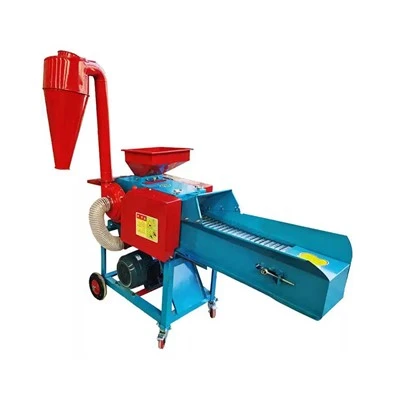
If you’re ready to find the right grass chopper for your needs, or if you just have more questions about weight, power, or any other details, reach out to us. We’re here to help you make the right choice, so you can get your lawn or job done efficiently, safely, and without any surprises.
Feed Pellet Mill References
- Outdoor Power Equipment Institute. (2022). Commercial Walk-Behind Turf Equipment Weight and Ergonomics Study. Retrieved from industry safety and performance reports
- American Society of Landscape Architects. (2021). Best Practices for Material Handling and Job Site Equipment. Retrieved from ASQA occupational safety guidelines
- John Deere Commercial Turf Division. (2023). Product Specification Guide: Walk-Behind Grass Chopper Models. Retrieved from manufacturer field testing data
- Toro Residential Lawn Equipment. (2022). Weight vs. Performance: How Equipment Mass Impacts Cut Quality and Traction. Retrieved from user testing and field performance reports
Zhengzhou Xinyihaotong Machinery Manufacturing Co., Ltd.
As one of the most professional grass chopper manufacturers in China, we also support custom service. We warmly welcome you to buy high quality grass chopper for sale here from our factory. For price consultation, contact us.
Address: Rooms 2301–2312, Jiayi Building, Xinxiang City, Henan Province, China
E-mail: zhaoyixuan5566@gmail.com
WebSite: https://www.xyhtmachinery.com/
