Let me be real with you—running a story books supplier, I’ve seen it all when it comes to collections: boxes of tattered picture books stuffed in closets, shelves crammed so tight you can’t pull a spine without toppling three others, even people who “meant to organize” their books and ended up with a pile on their dining table that’s been there for 6 months. If you’re here because you love story books (or you’re a teacher, parent, or small business owner trying to get your space sorted), this isn’t some fancy, rigid organizational guide. It’s what I’ve tested with my own stock, and what customers have told me works for their homes, classrooms, and even cozy book nooks. Story Books
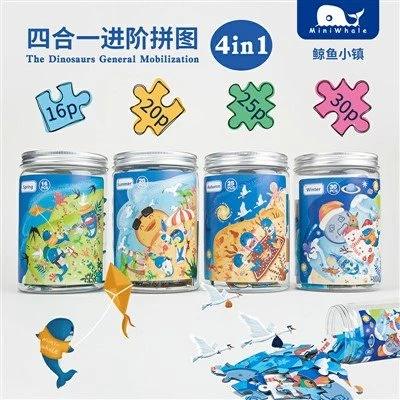
First off, before you move a single book, pause. I know, organizing feels like a chore, but skipping this step makes everything 10x harder. Let’s talk about “the purge” — but not the harsh kind where you throw away books in 2 seconds. When I send restocks to a local elementary, their librarian told me once she kept every single book even if pages were creased, because a kid once asked for the 1998 version of Where the Wild Things Are that had a coffee stain on page 17. That said, there’s a difference between keeping a well-loved tattered book and holding onto a book you haven’t touched in 5 years that you’ll never reread. I ask my customers this quick question for every book: Would I gift this to a kid (or teen, or whoever) today? If yes, keep it. If not? Donate it to a school, pass it to a friend’s little one, or if it’s not in great shape, recycle the pages (most story books use paper that’s recyclable, by the way). I even run a little side thing for my own supplier business where customers can drop off gently used story books to restock the free little libraries around the area — turns out purging doesn’t have to mean waste, it means sharing the stories you love with people who’ll actually use them.
Now, the actual sorting part. This is where most people overcomplicate it. Do you need to organize by author? By size? By color? Nah, stick to what matters to the people using the collection. If it’s your kid’s books, they don’t care who wrote Dog Man — they care that they can grab the next graphic novel when they want it. I’ve found three sorting methods that work for almost every space, and I’ll break ’em down:
-
Age-based sorting – This is my go-to for homes with multiple kids, classrooms, or even my own supplier warehouse sometimes. Split your story books into “board books (0-2),” “early picture books (3-6),” “chapter books for emerging readers (7-10),” and “middle grade stories (11+).” Why? Because a 4-year-old can’t reach the chapter book shelf, and you don’t want them trying to pull a book meant for a 12-year-old (trust me, I’ve gotten so many calls from parents whose little ones found a book with a scene they didn’t get, oops). For my supplier customers who run daycares, this is a game-changer — they can just point a kid to the right shelf without digging through piles. Pro tip: Label each shelf with a pic, not just words. Toddlers can’t read “Early Picture Books” but they can recognize a tiny cat sticker for the 3-6 section.
-
Genre or theme sorting – Great if you’re arranging a cozy reading nook, a bookstore corner, or a space for older kids who love specific types of stories. Maybe split into “Animal Adventures,” “Fantasy,” “Funny Stories,” or “Real-Life Tales.” I had a customer who ran a tiny town library that organized their kids’ section this way, and they told me checkouts jumped 20% because people could find exactly what they wanted without wandering. Even for my own supplier reps, when we’re prepping batches for book fairs, sorting by theme makes it way easier to put together displays that draw in kids — think a “Pirate Week” display with all the pirate stories front and center.
-
Accessibility sorting – This is non-negotiable for spaces where the books get used, not just stored. If it’s for your own kid, keep their favorite books at eye level — like, not tucked on the top shelf where you have to climb to get them. For classrooms, put the most popular books (spoiler: Pete the Cat and Dog Man always top the list) on the lower shelves, so tiny hands can grab ’em without asking for help. I once had a customer who was a single dad with two kids — he rearranged his shelves so his 5-year-old’s books were in the middle, and his 8-year-old’s above, and said his kids were suddenly “reading more on their own” because they didn’t have to bug him to grab their books. That’s the win, right?
Okay, now the storage part. You don’t need fancy $500 bookshelves. I’ve seen people use old crates, canvas bins, even stacked suitcases — as long as it works for your space. But let’s talk do’s and don’ts from someone who’s handled thousands of story books:
Do use bins for smaller or extra books. If you don’t have shelf space, store seasonal books (like all the Halloween or Christmas stories) in labeled bins under the bed, or in a closet. Label the bins clearly — not “Books 1” but “Christmas Stories 2024” so you don’t dig through 3 bins when December rolls around. I keep a stack of extra canvas bins in my supplier warehouse for customers who need to store backstock, and they’re way better than plastic because they don’t make books smell like plastic, and you can stack ’em without worrying about crushing the spines.
Don’t overcrowd shelves. I see this all the time: people pack shelves so tight when they restock that books get creased, spines get broken, and you can’t pull one without wrecking the whole shelf. Leave about an inch of space between each book, or if you’re using a bin, don’t stuff it so full you have to force the lids. I once had a customer who worked for a school — they were restocking and crammed 50 extra books onto a shelf, and by the end of the month, 12 books had broken spines. Now they leave 10% of space, and that problem’s gone.
Do stand picture books upright, not stacked horizontally. Stacking books flat makes the bottom ones get creased, and it’s hard to see the cover art — which is half the fun for kids! If you have a lot of picture books and limited shelf space, you can do a mix: upright for the ones you read often, a small stack on top for the extra ones. Just make sure the stack isn’t so high it falls over. Pro tip: For hardcover story books, arrange them so the spine is facing out — you can read the title at a glance, which is way easier than flipping through a pile. For paperback graphic novels, some people like to stack ’em, but I find standing them works too, as long as the shelves are deep enough.
Now, the part no one talks about: maintaining your collection. Organizing isn’t a one-time thing — it’s like doing laundry, you gotta touch it every so often. I recommend a 10-minute check-in once a month. Go through the shelf: put any books that got moved back in the wrong spot where they belong, wipe the dust off the covers (a soft cloth works, no chemicals), and toss any crumpled paper that fell in there. Once every 6 months, do a mini-purge: pull out any books no one’s touched, check for damage, and donate ’em. I once had a mom who told me she did a mini-purge every summer, and her kid’s books stayed neat all school year — no more piles on the floor, no more “where’s that one Mo Willems book?” panic before bedtime.
Wait, let’s throw in a quick personal story here, since I’m a story books supplier and not some AI writer. A few months back, I delivered a order to a grandma who collects story books for her grandkids, who live out of state. She told me she used to have all her books in cardboard boxes, and every time the grandkids visited, they’d dump the boxes and half the books would get lost. She followed the age-based sorting method I suggested, used those canvas bins, and now when the grandkids come, they head straight to their age group shelves and don’t mess up the rest. She even posted a pic of her new shelf on the local parent group, and 10 other people reached out asking where to get the same bins. That’s the stuff that makes this job worth it.
Now, if you’re reading this and you’re not just a parent organizing your kid’s shelf — maybe you run a daycare, a bookstore, a free little library, or you’re someone looking to build a story book collection from scratch — I’ve got you covered too. When it comes to restocking or building your collection, skip the random big box store buys. Look for suppliers that carry a mix of classic stories and new, diverse ones — because representation matters, right? I make sure my stock has books featuring kids of all races, abilities, and backgrounds, because every kid should see themselves in a story. If you’re in the market for story books to build or organize your collection, we can work out a bulk plan, help you pick the right sorting solutions, and even throw in free labels for your shelves. No fine print, no weird minimums you can’t meet — just straight-up stuff that works.
Oh, and one last tip I swear by for people who love display: if you have a few books that are extra special (like a favorite from your own childhood, or a signed copy), put them front and center on a small shelf or a stand. Kids get drawn to bright covers, so a little display of popular new books near your main shelf can make reading feel more like a fun event, not a chore. I did that with the free little library I maintain near my warehouse — every month I swap out the featured books, and checkouts from that library went way up.
Wait, let’s circle back to organizing. The biggest mistake I see people make is trying to make their collection look perfect, like something out of a Pinterest board. That’s not what’s important. What’s important is that the books are easy to find, get read, and bring joy. I’ve seen a shelf that’s a little messy with 100 well-loved books do way more good than a perfectly aligned shelf of 50 books that never get touched. So don’t stress if it’s not “Instagram worthy.” The goal is just to make stories accessible.
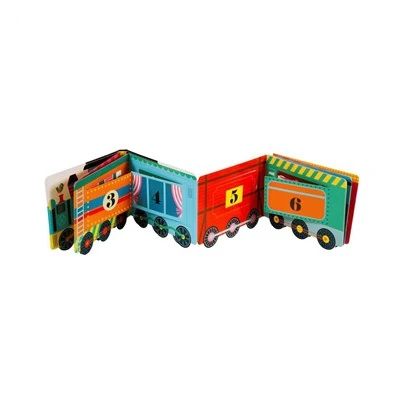
If you’re ready to get your story book collection sorted from top to bottom, or you’re looking to restock your shelves with new, age-appropriate stories, reach out to us. We can help you figure out the best sorting method for your space, offer bulk pricing for larger collections, and even share free organizational printables to make labeling easy. No long sales pitches, no hidden fees — just a supplier who gets that story books are more than just paper and ink, they’re the start of so many memories.
Puzzle References:
- National Education Association. (2022). Organizing Classroom Libraries for Student Accessibility and Engagement.
- American Library Association. (2023). Story Collection Management for Public and Private Spaces.
- Local Independent Booksellers Association. (2024). Best Practices for Organizing Children’s Story Collections.
- Small School Facility Guide. (2023). Storage Solutions for K-5 Classroom Book Collections.
- Community Free Library Association. (2024). Maintaining Accessible Book Collections for Neighborhoods.
NINGBO LOTO PACKAGE MANUFACTORY CO.,LTD
Ningbo Sentu Art and Crafts Co., Ltd. is one of the most professional story books manufacturers and suppliers in China. With abundant experience, we warmly welcome you to buy high quality story books made in China here from our factory. If you have any enquiry about cooperation, please feel free to email us.
Address: 3rd Floor, Momi Community, New Jinfeng, No. 68, Chunchao Road, Yinzhou District, Ningbo City, Zhejiang Province, Ningbo, Zhejiang, China
E-mail: sales@nbprinting.com
WebSite: https://www.lotopuzzle.net/
