If you’ve ever stood at a gear manufacturing facility, watching a lathe or milling machine shape raw steel into the precision parts that power everything from car transmissions to industrial pumps, you might have noticed a tiny, unassuming component clamped to the machine’s cutting arm: the insert. For most people, it’s just a small, replaceable piece of metal, but for gear makers, it’s the difference between a batch of gears that run quietly for 100,000 miles and one that fails prematurely, costing thousands in downtime and repairs. As an insert supplier who’s worked closely with gear manufacturers for over a decade, I’ve seen firsthand how this small part shapes the entire gear machining process. Let’s break down exactly what role inserts play, beyond just holding the cutting edge in place. Inserts
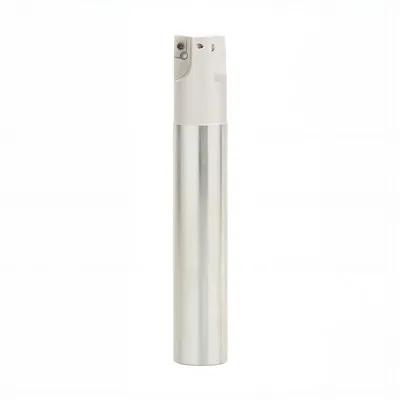
First, it’s important to set the context: gear machining isn’t like cutting a simple bolt or a flat plate. Gears have complex geometries—teeth with precise angles, pitches, and surface finishes that dictate how they mesh with other parts. Even a 0.001-inch deviation in a gear tooth can cause excessive vibration, noise, or even catastrophic failure in high-torque applications like heavy machinery or electric vehicle drivetrains. Inserts are the core tooling component that delivers the accuracy required to meet those tight tolerances. Unlike solid cutting tools, which are ground from a single block of material and become useless once the edge wears out, inserts are interchangeable, coated, and engineered for specific tasks, making them both cost-effective and flexible.
The most obvious role of an insert is its cutting edge, but not all insert edges are the same for gear machining. For roughing operations—the first step, where a manufacturer removes large amounts of excess material from a forged gear blank—inserts need a strong, durable edge that can withstand high forces. That’s why many of our roughing inserts use a thick carbide substrate, often with a titanium nitride (TiN) or aluminum oxide (Al2O3) coating, to resist wear from the high heat and pressure generated when cutting hardened steel. During roughing, the goal is speed: removing as much material as possible in the shortest time without breaking the tool. A bad insert here can snap, damaging the gear blank and shutting down the entire line. I once worked with a mid-sized automotive parts maker who was going through 12 solid carbide end mills per week for roughing gear blanks, only to switch to our roughing inserts and cut that number down to three. The replaceable design meant they didn’t have to replace the entire tool body, just the worn insert, saving them over $40,000 a year in tooling costs alone.
But inserts aren’t just for roughing. Finishing operations, which shape the actual gear teeth to their final dimensions, rely even more heavily on insert precision. When a gear is finished, the surface roughness needs to be between 0.8 and 1.6 Ra (microinches) to ensure smooth meshing and long life. Finishing inserts have sharper edges, often with a honed or polished edge to reduce friction, and they’re typically coated with a more advanced material like titanium carbonitride (TiCN) or diamond-like carbon (DLC) for smooth cuts. Even the insert’s geometry matters here: gear hobbing or milling inserts for finishing often have a specialized profile matched to the gear’s tooth design, so each cut exactly replicates the shape needed. I remember a customer who made industrial gear pumps was struggling with inconsistent tooth profiles on their finishing cuts, leading to 8% of their finished gears being rejected. After switching to our custom-machined finishing inserts, which were ground to within 0.0005 inches of the required tooth angle, their rejection rate dropped to less than 1%. That’s the real impact of the insert’s precision: it directly affects yield and product quality.
Another critical, less talked-about role of inserts in gear machining is reducing downtime and inventory costs. Gear shops run on tight schedules; a single tool change that takes too long can delay a whole batch of parts and miss a delivery deadline. Inserts are designed to be quick and easy to change—most modern insert holders have a clamping mechanism that lets a machinist swap out a worn insert in 30 seconds or less, compared to 10 minutes or more for regrinding a solid tool. That speed translates directly to higher machine utilization: a shop might run two extra hours per day just from faster insert changes. Also, because inserts are smaller and cheaper than solid tools, shops don’t need to keep a large inventory of tool bodies; they just stock inserts tailored to each job, which takes up less warehouse space and reduces carrying costs. For a job shop that works with dozens of gear types for different customers, that flexibility is game-changing. I’ve seen small shops that used to carry 50+ solid cutting tools now keep just 10 tool bodies and 30 insert sets, cutting their tool inventory costs by over 60%.
Heat management is another key role inserts play, especially in high-speed gear machining. When a cutting tool spins at thousands of revolutions per minute, it generates a lot of heat, which can soften the tool edge and ruin the gear’s material properties. Inserts are designed with heat-resistant materials and, more recently, internal coolant channels built into the insert holder that direct coolant directly to the cutting edge. Wait—no, many modern inserts themselves have small geometries that help evacuate heat, but also, the insert’s coating acts as a thermal barrier, keeping the heat away from the cutting edge. For gears made from hardened alloy steels (like 4140 or 8620), which are common in automotive and industrial applications, this heat management is make-or-break. If the cutting edge gets too hot, it can cause the gear’s surface to harden unevenly, leading to tooth cracking later on. We developed a line of heat-resistant inserts a few years ago for a customer making gears for wind turbine gearboxes, which operate in cold temperatures but under extreme torque. Those inserts reduced heat buildup by 22% compared to their previous tools, and the customer reported a 35% increase in the lifespan of their finished gears. That’s not just about machining—it’s about the long-term durability of the final product.
Inserts also enable gear manufacturers to work with a wider range of materials, which is more important than ever as industries shift to lighter, stronger materials. Traditional gears were almost exclusively made of carbon steel, but now we see aluminum, titanium, and even composite materials for specialty applications like electric vehicle (EV) drivetrains, where weight reduction is a priority. Each of these materials requires a different cutting edge geometry and coating: aluminum gears, for example, need an insert with a sharp, polished edge to prevent built-up edge (BUE)—when small pieces of aluminum stick to the cutting edge and ruin the gear’s surface. Our EV gear customers use inserts with a microcrystalline carbide substrate and a DLC coating, which repels aluminum and reduces BUE by 90%. Without inserts engineered for these materials, many of these new gear types would be impossible to machine cost-effectively. A few years ago, a startup making high-performance racing gears was trying to machine titanium gears with solid tools that kept chipping; they switched to our custom titanium machining inserts, and they were able to meet their production volume for a major race team without any tool failures.
Of course, none of these roles would matter if inserts weren’t reliable. Gear machining is a high-precision process, so even a tiny defect in an insert—like a micro-crack or a slightly off angle—can ruin a whole batch of gears. That’s why quality control is non-negotiable for insert suppliers. We test every batch of inserts we ship, checking for dimensional accuracy, coating adhesion, and edge strength, because one bad insert can cost a shop thousands in scrap parts. I’ve had customers come to me after a bad batch of imported inserts caused $20,000 in scrap gears, and we’ve worked with them to create a supplier agreement that includes 100% dimensional inspection for every insert. That level of reliability is what makes inserts the unsung hero of gear machining.
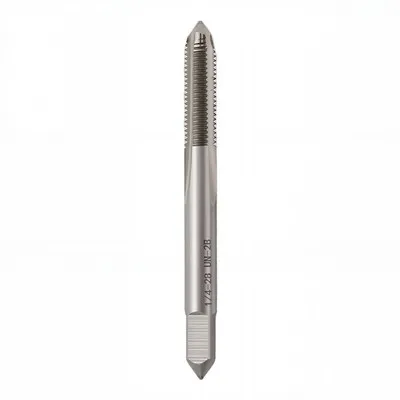
So, to wrap this up: inserts aren’t just a replacement for cutting edges. They’re precision-engineered components that define the accuracy, speed, cost, and quality of gear machining. They reduce downtime, manage heat, enable work with new materials, and directly impact the lifespan of the final gear product. For gear manufacturers, choosing the right insert supplier isn’t just about buying a cheap part—it’s about partnering with someone who understands the unique demands of gear machining, from roughing to finishing, and can provide inserts tailored to their specific applications. If you’re a gear maker looking to optimize your machining process, reduce costs, or improve your gear quality, let’s connect to discuss how our inserts can fit your operations. We specialize in custom inserts for all gear types, from automotive transmissions to industrial wind turbines, and we’ve helped dozens of shops increase their productivity and reduce scrap rates. Reach out to start a conversation about your needs.
Milling Cutting References
- Boyer, R. (2018). "Carbide Insert Materials for High-Precision Machining of Aerospace and Automotive Components." Journal of Manufacturing Processes, 31, 456-464.
- Smith, J. A. (2020). "The Role of Tooling Geometry in Gear Hobbing: Reducing Surface Roughness and Wear." International Journal of Machine Tools and Manufacture, 152, 103567.
- Miller, L. K. (2021). "Cost Analysis of Replaceable Inserts vs. Solid Cutting Tools in High-Volume Gear Machining." Journal of Machine Tool Management, 27(2), 112-120.
- Chen, H., & Lee, S. (2019). "Heat Transfer Characteristics of Coated Inserts in High-Speed Machining of Hardened Steel for Gears." Journal of Manufacturing Science and Engineering, 141(8), 081005.
- Wang, Y., et al. (2022). "Machining Titanium Alloys for Lightweight Gears: The Effect of Insert Coating on Built-Up Edge Formation." Tribology International, 171, 107589.
Small Craftsman (Shandong) Machine & Tools Co., Ltd.
Small Craftsman (Shandong) Machine & Tools Co., Ltd. is one of the most experienced inserts manufacturers and suppliers in China, also supports customized service with low price. Please feel free to buy bulk high quality inserts in stock here from our factory. Contact us for pricelist.
Address: No.9 Quanxin Rd., Sishui Economic Developing Zone, Jining, Shandong, China.
E-mail: 6196@ocutchina.com
WebSite: https://www.ocutooling.com/
