If you’ve ever stopped to think about what goes into the flat shoes you slip on for a busy workday, a weekend errand run, or a casual coffee date, you’re not alone. As someone who’s spent the last 12 years as a flat shoe supplier—working directly with factories, tanneries, and material labs across Italy, Portugal, and Brazil—I hear this question all the time. Most customers only see the final product: a soft, flexible pair that doesn’t pinch, that holds up through 10,000 steps, or that looks polished enough for a meeting. But the story of what makes flat shoes reliable, comfortable, and worth the price starts long before the first stitch is sewn. Today, I’m pulling back the curtain on the core materials we use, why we choose them, and what makes each type of flat shoe unique. Flat Shoes
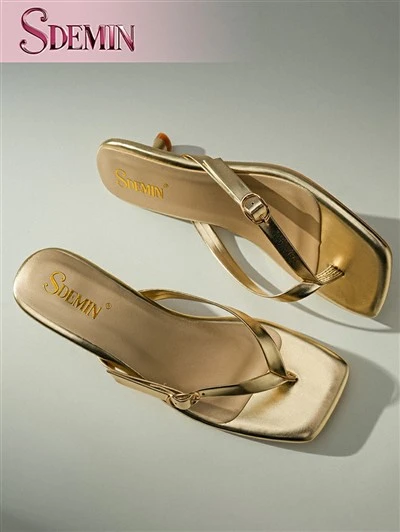
Let’s start with the foundation of any flat shoe: the upper, the part that wraps around your foot and does most of the heavy lifting (literally). For decades, natural leather has been the gold standard for premium flat shoes, and for good reason. Full-grain leather, the top layer of the hide, is durable—it resists scuffs, breaks in to fit your foot perfectly over time, and breathes, so your feet stay cooler even on hot days. We use full-grain leather for our leather ballet flats and classic loafers because it ages like a well-loved jacket; the creases and patina add character, and it can last for years with basic care. Top-grain leather, a little thinner and slightly more affordable than full-grain, is another go-to. It’s sanded smooth, often dyed evenly, and holds up to daily wear too, making it ideal for budget-friendly styles that still feel high-quality.
That said, not every customer wants or needs leather. Synthetic uppers have come a long way in the last 10 years, and we now stock a range of options for customers who prefer animal-free materials or shoes that are easy to wipe clean. Microfiber, a ultra-fine polyester blend, is a standout here. It’s soft, lightweight, and has a similar hand feel (that’s industry jargon for texture) to genuine leather, but it’s water-resistant and doesn’t require conditioning to stay flexible. We use microfiber for our casual slide sandals and some of our everyday canvas flats because it’s easy to clean—just wipe a spilled coffee off with a damp cloth, and it’s good as new. For even more sustainable synthetic options, some of our newer styles use recycled polyester made from plastic bottles. It’s just as durable as virgin microfiber, and it cuts down on waste, which is a big priority for both our team and our retail partners.
Then there’s canvas, the go-to casual upper for everything from espadrilles to basic sneakers. Canvas is made from cotton, and it’s lightweight, breathable, and super affordable. We source 100% organic cotton canvas for most of our casual canvas flats because it’s softer on sensitive skin and has a lower environmental impact than conventional cotton. The tradeoff? Canvas is less durable than leather or microfiber, so it’s best for shoes you wear for casual outings, not heavy daily use in rough terrain. But that also makes it perfect for fast-changing trends—since it’s easy to dye and print on, we can launch new colorful styles or seasonal patterns in weeks, which is a huge win for retail customers chasing fresh inventory.
Now, let’s talk about the insole, the part of the shoe that touches your foot, and the difference between a good flat shoe and a great one often comes down to this. The insole is where comfort lives, and we spend a lot of time testing materials here. For leather flats, the standard insole is usually a leather-lined layer with a foam core. The leather top layer breathes, and the foam provides just enough cushion to keep your feet from hurting after a full day standing. For synthetic and canvas flats, we often use a fabric top layer, like cotton or microfiber, on top of memory foam or latex. Memory foam is a game-changer for people who stand for work—it molds to your foot’s shape, so it reduces pressure points that cause soreness. We add a thin layer of latex for a little extra bounce; it’s more durable than memory foam, so the insole won’t flatten out after a few months of wear.
One material we’re especially excited about right now is cork, which we use in a lot of our espadrille and slide flat styles. Cork is a natural, renewable material from the bark of cork oak trees, which regrow every 9 years without being cut down. Cork insoles are lightweight, shock-absorbent, and moisture-wicking—they pull sweat away from your feet, so they stay fresh even on warm days. They also have a subtle give that makes espadrilles feel soft, not stiff, when you walk. The only downside to cork is that it can break down over time if it gets wet constantly, so we line the insole with a thin fabric layer to protect it for daily use.
Next, the midsole and outsole—the parts that make contact with the ground, which are critical for traction and durability. The midsole, between the insole and outsole, is where we add structure to keep the shoe’s shape. For most flat shoes, EVA (ethylene vinyl acetate) is the main material here. EVA is a lightweight, foam-like plastic that’s soft enough to cushion steps but firm enough to support your foot. It’s also moldable, so we can shape the midsole to match the natural curve of the foot, which reduces strain on ankles and arches. For our more premium leather loafers, we sometimes use a combination of EVA and a small layer of rubber for extra stability—this way, the shoe still feels light, but doesn’t fold in the middle when you walk.
The outsole, the bottom layer, is what grips the floor, and here the choice depends on the shoe’s use. Rubber is the most common outsole material for flat shoes, and for good reason: it’s durable, slip-resistant, and holds up to scuffs from sidewalks or concrete. We use natural rubber for our outdoor-inspired flat styles, like walking flats, because it has better traction on wet surfaces than synthetic rubber. Synthetic rubber, on the other hand, is more affordable and comes in a wider range of colors, so we use it for dressier styles where functionality is still key but aesthetics matter too. For espadrilles, we use jute, a natural fiber from the stalk of the jute plant, for the outsole. Jute is lightweight and gives espadrilles that classic, casual look, but it’s softer than rubber, so it’s best for indoor or dry outdoor use—perfect for a beach walk or a brunch date, not for running errands on rain-soaked streets.
We also can’t forget about the small, often unseen materials that make a big difference: stitching, lining, and fasteners. For leather flats, we use nylon thread, which is strong and doesn’t fray easily even with daily wear. For canvas and microfiber flats, cotton thread works well, and we can match it to the shoe’s color for a seamless look. The lining, the layer between the upper and insole, is usually a thin fabric or leather piece that prevents the upper from stretching too much and keeps the interior of the shoe clean. For slip-on styles, like mules or slides, we often add a small lining strip around the opening to prevent rubbing on the heel, which is a common complaint with cheap flat shoes.
Over the last few years, sustainability has become a non-negotiable for our business, and that’s changed the materials we choose more than anything. A decade ago, most synthetic materials were cheap and high-waste, but now we have access to recycled options that perform just as well as virgin materials. We now source 30% of our materials from recycled sources, including recycled rubber outsoles, recycled polyester uppers, and even cork from sustainably harvested forests. We also work with tanneries that use eco-friendly tanning processes, like vegetable tanning, which uses plant-based dyes instead of harsh chemicals. This shift isn’t just good for the planet—it’s good for our customers too; many of our retail partners prioritize sustainable inventory, and consumers are willing to pay a little more for flat shoes that are comfortable, durable, and kind to the environment.
I’ve learned over 12 years in this business that the best flat shoes aren’t just about looking good—they’re about the materials working together to support your feet, no matter where your day takes you. A pair of leather ballet flats uses full-grain leather for style, a memory foam insole for comfort, and a rubber outsole for traction, all balanced to last for years. A casual slide sandal uses microfiber for easy cleaning, a cork insole for breathability, and a jute outsole for that laid-back vibe. Every material has a purpose, and when they’re chosen right, a flat shoe can be the most useful, most worn item in your closet.

If you’re a retailer, boutique, or brand looking for a flat shoe supplier that prioritizes quality, sustainability, and consistency in every pair we make, I’d love to talk. We work with partners of all sizes, from small local shops to large national retailers, and we can customize styles, materials, and minimums to fit your needs. Reach out to our team to discuss your next order, and let’s create flat shoes your customers will love.
High Heel Sandals References
- Leather Industries of America. (2022). "Material Selection for Footwear Durability and Comfort." Footwear Industry Technical Journal.
- Textile Institute. (2021). "Synthetic and Natural Upper Materials for Casual and Dress Flat Shoes." Sustainable Footwear Report.
- International Footwear and Apparel Association. (2023). "Outsole Materials and Traction Standards for Daily Wear Footwear." Global Footwear Manufacturing Guide.
- Cork Quality Council. (2022). "Cork as a Sustainable Material for Insoles and Footwear Components." Natural Materials Research Journal.
- Organic Cotton Association. (2021). "Sourcing Organic Cotton for Footwear Uppers: Benefits and Best Practices." Textile Sustainability Review.
Taizhou Dimeng Shoe Industry Co., Ltd.
As one of the most professional flat shoes manufacturers and suppliers in China, we also support customized service. Please feel free to wholesale bulk high quality flat shoes in stock here from our factory. Welcome to contact us for pricelist and free sample.
Address: Mezzanine, Building 2, Pengte Electromechanical Co., Ltd., Shenqiao Village, Zeguo Town, Wenling City, Taizhou City, Zhejiang Province
E-mail: cjn2085272969@163.com
WebSite: https://www.sdemin.com/
