If you’ve ever stood at a marina waterfront, watching a big boat nudge its way toward the dock, you’ve probably noticed those big, bulky metal pieces bolted to pilings or the side of the dock. A lot of people write ’em off as just part of the dock’s decor, but let me tell ya—those aren’t just there to look tough. They’re mooring cleats, and if you’re in the business of moving big boats, keeping ’em from drifting off, or working on the water, they’re non-negotiable. As a mooring cleats supplier, I get asked this question all the time: what even is a mooring cleat, and what the heck do you use it for? Let’s break this down like we’re chatting over a coffee by the slip, no stuffy textbook jargon required. Mooring Cleats
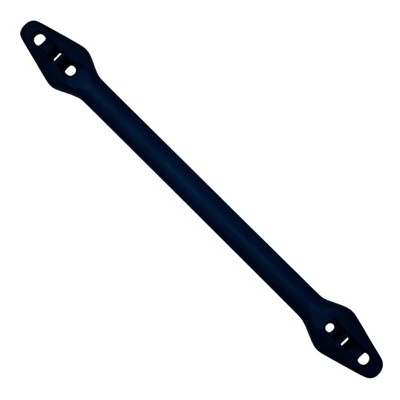
First off, let’s cut to the basics. A mooring cleat is that T-shaped or horn-shaped (yeah, the two prongs sticking up are called horns, by the way) metal fixture bolted to docks, piers, boat decks, even buoys. Their whole job is simple: give a boat’s lines something solid to wrap around so the boat doesn’t drift away. But “solid” is the key word here. You can’t just tie a rope to a random piling or a rail—those things don’t have the structure to hold the 50,000-pound yacht bobbing in the marina, not when a gust of wind hits or the tide shifts. Cleats are built to take that pulling force, day in and day out.
Let’s start with the most common use you’ll see at any local marina: securing a recreational boat. If you’ve ever rented a pontoon, taken a fishing boat out for the day, or brought your family’s sailboat to the dock for the weekend, you tied up to a cleat. Here’s how that works: the crew ties the end of their boat’s mooring line (that’s the thick, strong rope, not the flimsy thing you use for tying shoelaces) around the cleat’s horns. They usually wrap it a couple times, cross it over the top of the cleat, and tie a quick-release knot—because you don’t want to be fumbling with a tight knot when you’re trying to hop off the boat with a cooler of burgers. Without that cleat, you’d have to wrap that rope around the dock piling, which is smooth, round, and would wear the rope out way faster. The cleat’s flat base distributes the pull of the line across the dock, too—so the piling doesn’t crack, and your boat doesn’t slam into the dock when the tide rises.
But wait, mooring cleats aren’t just for small pleasure crafts. That’s where a lot of people sleep on ’em. Commercial boats—think tugboats, cargo ships, even fishing trawlers—rely on way bigger, heavier-duty cleats, and we supply those too. If a tugboat is pushing a 10,000-ton cargo ship into a slip, the ship’s crew isn’t using a tiny 6-inch cleat. They’re using cleats that are 2 feet long, made of cast iron or stainless steel, rated to hold 10,000 pounds or more of pulling force. The last thing you want when you’re docking a container ship is a rope slipping off the dock, and a flimsy cleat breaking mid-move. I’ve heard horror stories from skippers who’ve had cheap cleats snap when they were docking, leading to a $10,000+ repair bill for a scratched hull. That’s why we only stock cleats built for that kind of heavy use—no corner-cutting here.
Another use people don’t talk about: temporary mooring for work vessels. If you’re doing repairs on a dock, or installing underwater pipes, you might tie a work barge or a small crane boat to a cleat that’s temporarily bolted to a steel pile in the water. Those cleats are designed to be quick to install, so you don’t have to waste hours drilling and bolting when you’re on a tight timeline for a repair job. I’ve worked with construction crews who swear by our temporary cleats—they can drill ’em into a concrete deck in 15 minutes flat, and hold up even when a work boat is pulling against a strong current. It’s not just about permanent dock setups; sometimes you need something flexible for a job that comes and goes.
Let’s also talk about how they hold up against the elements, because that’s a big part of what makes a mooring cleat useful. Saltwater is brutal— it rusts metal, wears down rope, and eats away at dock structures. That’s why we offer different materials for different environments. For freshwater marinas, a galvanized steel cleat works great—cheaper, and it doesn’t rust as fast as bare steel. But for places like the Gulf Coast or the Florida Keys, where saltwater is constant, we supply 316 stainless steel cleats. That’s the stuff that won’t corrode even after years of being submerged in salt, and it can handle the constant pull of a boat’s line. I’ve had customers tell me their old galvanized cleats were rusted through in two years, but our stainless ones are still going strong after five. That’s the kind of durability you need when a storm hits—you don’t want your cleat to fail when you’re trying to secure your boat for a hurricane.
Wait, let’s clear up a common mix-up between mooring cleats and other dock fixtures. A lot of people confuse cleats with bollards or pilings. Bollards are those single, thick posts you see on large cargo docks—they’re meant for way heavier loads, and they don’t have the horns to wrap a line around easily. Pilings are the round wooden or concrete posts that hold up the dock, good for tying rope but not designed to take the repeated pulling and crossing of a mooring line. Cleats are the middle ground, built specifically for that purpose. They’re the workhorse of the docking setup, plain and simple.
I should also mention the little stuff that makes a cleat useful for everyday boaters. Like, the size matters. A small 8-inch cleat is perfect for a 20-foot fishing boat, but you’d never use that for a 60-foot sailboat. That’s why we have a range of sizes, from 4-inch cleats for small inflatable dinghies up to 3-foot heavy-duty cleats for superyachts. We even have cleats with a flat top, so you can use ’em to tie fenders (those soft rubber things that keep your boat from scratching the dock) too—extra versatility for people who don’t want to clutter their dock with a hundred different fixtures.
Another thing: mooring cleats aren’t just on docks. They’re on boats, too. If you’ve ever stepped onto a sailboat, you’ve seen cleats on the deck where the crew ties the sails down. Those are the same design as dock cleats, just smaller, built to hold the tension of a sail’s halyard. When you’re sailing in a strong wind, that cleat has to hold the sail tight, and it has to be easy to untie when you need to adjust the sail. I’ve worked with sailboat owners who swap out cheap plastic cleats for our stainless ones, because the plastic ones break when they’re out on the water in a storm. That’s a safety thing, not just a convenience.
Now, let’s talk about why this matters to you, whether you’re a boater, a marina manager, or someone in the marine industry. If you’re a boater, skimping on cleats means your boat could drift, slam into the dock, or even break free during a storm. If you’re a marina, using cheap cleats means you’re risking damage to your docks and liability if a boat comes loose and hits another one. As a mooring cleats supplier, I’ve seen the difference between good cleats and bad ones— and it’s not just about the price. The good ones are tested to hold a specific load, made from materials that won’t corrode, and designed to let you tie a line tight without it slipping or wearing out.
I also get asked sometimes if there’s a new use for mooring cleats, with all the fancy new boats and tech out there. Let me tell you, even with electric yachts and self-docking boats, the cleat is still essential. The self-docking system might line the boat up perfect, but someone still has to tie the line to a cleat when it’s at the slip. It’s a piece of equipment that’s been around for hundreds of years—since the days of wooden ships and hemp ropes— and it’s still just as important today. That’s a testament to how well it works, right? They don’t mess with a good thing when it’s holding a 100-foot yacht in place through a hurricane.
Let’s dive a little deeper into the mechanics, just to make it clear why the shape works. The two horns on a cleat—they’re actually called “cleat arms” or “prongs”—are curved a little bit, which helps the line stay in place without slipping. When you wrap a line around them, the tension of the pull keeps the line tight against the cleat, so it doesn’t come undone. If the prongs were straight, the line could slide off the top, especially when the tide changes or the boat moves. That curved shape is a small detail, but it’s what makes the cleat functional instead of just a metal T-bar.
For marina managers, another big use is mooring field setup. A lot of marinas have floating mooring fields, where boats are tied to a single buoy instead of a dock. Those buoys have cleats attached to ’em, so the boat’s line can be tied securely. The buoy has to hold up the weight of the boat, but the cleat has to hold the tension of the line through rough water. We supply cleats for those buoys too, built to withstand constant saltwater exposure and big wave action. I’ve had marina owners tell me that switching to our buoys’ cleats cut down on their maintenance costs by 30% because they weren’t replacing broken cleats every year.
Now, let’s talk about something that’s easy to overlook: installation. A cleat is only as good as how it’s installed. If you just bolt a tiny cleat to a thin dock piling, it’s gonna pull right out when you tie a heavy boat. That’s why we don’t just sell cleats—we have guides on how to install ’em correctly, whether it’s for a dock, a boat, or a buoy. For concrete docks, you need to use epoxy to set the cleat’s base, so it’s anchored tight. For wooden pilings, you need bigger bolts, maybe even a backing plate, to distribute the weight. I’ve had a few customers come back and say they installed a cleat wrong, it broke, and they had to replace their line and their boat’s fender—so we make sure to pass along that installation tip, because we care about more than just selling a product.
At the end of the day, the mooring cleat’s whole purpose is to make tying up a boat safe, easy, and reliable. It’s not the flashiest part of the marine industry, but it’s one of the most necessary. When you’re out on the water, the last thing you want is to stress about whether your boat is gonna hold, and that’s exactly what a good cleat does.
If you’re a boater who’s been putting off replacing those rusted cleats on your dock, or a marina manager who needs to upgrade your mooring setup, or even someone working on a commercial vessel who needs heavy-duty cleats, we’ve got you covered. We don’t just stock one size or one material—we have a range of cleats for every use, from small dinghies to big cargo ships, and every environment, from freshwater lakes to saltwater coasts. If you’ve got questions about which cleat is right for your needs, or you’re ready to place an order, get in touch with us to work out the details. We’re here to make sure you’ve got the right gear to keep your boats secure, no matter what the water throws at you.
Switch Panels References:
- “Marine Hardware Basics: Mooring Cleats,” BoatUS Foundation for Boating Safety and Clean Water, 2022.
- ASTM International, “Standard Specification for Corrosion-Resistant Steel for Marine Applications,” ASTM A240/A240M-21, 2021.
- “Commercial Mooring Systems: Cleat Design and Load Ratings,” American Waterways Operators, 2023.
- “Saltwater Corrosion in Marine Hardware,” National Marine Manufacturers Association, 2020.
Pan-U Ind. Co., Ltd.
Pan-U Ind. Co., Ltd. is one of the most professional mooring cleats manufacturers and suppliers in Taiwan, also supports customized service. Please feel free to buy bulk ISO certified mooring cleats made in Taiwan here from our factory. For quotation, contact us now.
Address: 7th Floor, No.270, Section 1, Fuxing Road, South District, Taichung City, Taiwan
E-mail: jessicahan@panutw.com
WebSite: https://www.panumarine.com/
